
City Streets, Meet Your Match: Navigating the Urban Jungle with the Toyota C-HR (2022)
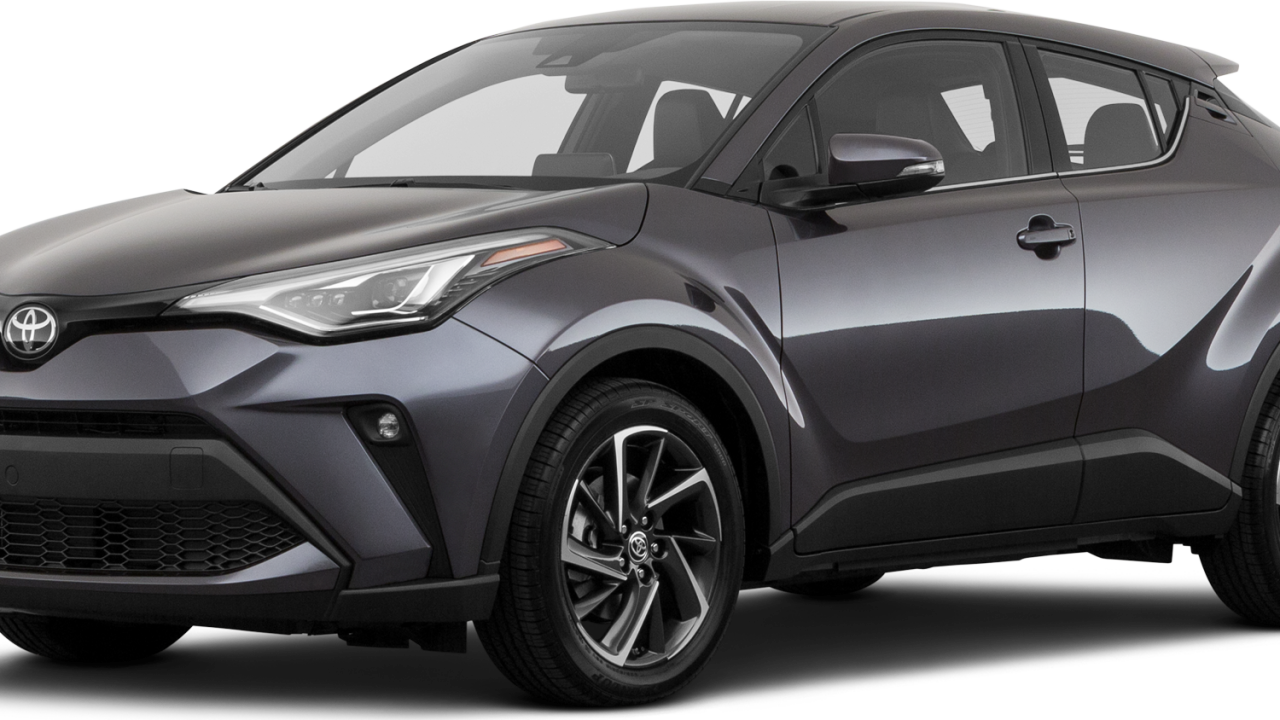

Getting into the driver’s seat, I was immediately struck by the sense of space. For a car that’s nimble enough to weave through traffic and slip into tight parking spots, the interior felt surprisingly roomy. The seats were comfortable, which I knew would be a blessing during the inevitable stop-and-go traffic. As I adjusted the mirrors and buckled up, I mentally prepared myself for the city's morning rush.
Starting the engine, the C-HR purred to life with a quiet confidence. The hybrid engine, known for its efficiency, promised to be a game-changer for my pocket and the environment. As someone who prioritizes value for money, I couldn’t help but appreciate the potential savings on fuel costs. With urban fuel consumption often being a deciding factor for city commuters like myself, the Toyota C-HR seemed poised to deliver a financial reprieve without compromising performance.
Pulling out of the parking space, the car's nimbleness immediately became evident. The steering was light yet responsive, a crucial feature when navigating the city's labyrinth of narrow streets and sharp turns. As I merged into the main road, the C-HR's acceleration felt smooth and adequate for city speeds. It wasn’t about racing to the next stoplight; it was about the seamless transitions, which the C-HR handled with grace.
As I made my way through the city, the true test of any urban vehicle—the traffic—began to rear its ugly head. Stop, start, stop again. Yet, sitting there amidst the congestion, I felt a sense of calm. The C-HR’s infotainment system offered a welcome distraction, with easy-to-use features that kept me informed and entertained. While I listened to my favorite morning playlist, I appreciated how intuitive the system was, a relief for a tech-challenged individual like myself.
One of the many joys of driving the C-HR was its compact size, which made it a dream in the city’s often nightmarish parking scenarios. As I neared my destination, a small parking space awaited me—a spot many other vehicles would have passed by. But not the C-HR. With its excellent rearview camera and sensors, I maneuvered into the spot with ease, earning a mental high-five for not having to circle the block endlessly.
After a day of meetings and errands, I was back in the driver's seat, ready to tackle the evening commute home. The city was alive with activity, pedestrians bustling, cyclists weaving through traffic, and the ever-present hum of urban life. The C-HR’s safety features were a silent sentinel, providing an extra layer of reassurance amidst the chaos. Lane departure alerts and a pre-collision system added to the confidence I felt behind the wheel, allowing me to focus more on the journey and less on potential hazards.
As I coasted home, I took a moment to reflect on the day’s adventure. The Toyota C-HR had more than proven itself as a capable contender for city commuting. Its combination of style, efficiency, and practicality was a trifecta that many urban drivers would find hard to resist. While it might not be the cheapest option on the market, the long-term savings in fuel and maintenance costs could certainly tip the scales in its favor for those seeking a budget-conscious choice without sacrificing quality.
In the end, the Toyota C-HR (2022) felt like more than just a vehicle; it was a partner in navigating the city’s daily challenges. It seamlessly blended the demands of an urban environment with the desire for financial prudence and ecological responsibility. As I parked it for the night, I knew that tomorrow would bring another day of city driving, but with the C-HR by my side, I was ready to embrace whatever the urban jungle had to throw my way.
As I wrapped up my week-long urban adventure with the Toyota C-HR 2022, I couldn't help but reflect on how this compact crossover could easily become a city dweller's best friend. From its striking design that caught the eye of many a passerby to its efficient hybrid engine that kept my wallet from feeling the pinch, the C-HR proved itself a worthy contender for those navigating the urban jungle. Its nimble handling and compact size made it a breeze to zip through traffic and fit into tight parking spots, challenges that city drivers know all too well. The intuitive infotainment system and robust safety features offered an added layer of comfort and security, making each drive enjoyable and stress-free. While it may not be the cheapest option on the market, the C-HR's blend of style, efficiency, and practicality makes it a smart choice for those who value long-term savings and reliability. In the end, it’s a car that doesn't just meet your urban commuting needs—it elevates them.
Specifications
| Specification | Value |
|---|---|
| Engine | 1.8L Hybrid |
| Horsepower | 122 |
| Fuel type | Hybrid |
| Mpg | 57.6 |
| Transmission | Automatic |
| Drive type | Front Wheel Drive |
| Dimensions | Length: 4395 mm, Width: 1795 mm, Height: 1555 mm |
| Boot space | 377 liters |
| Seating capacity | 5 |