
City Chic and Real-World Sense: My Long-Term Take on the Mercedes‑Benz EQA (2023)
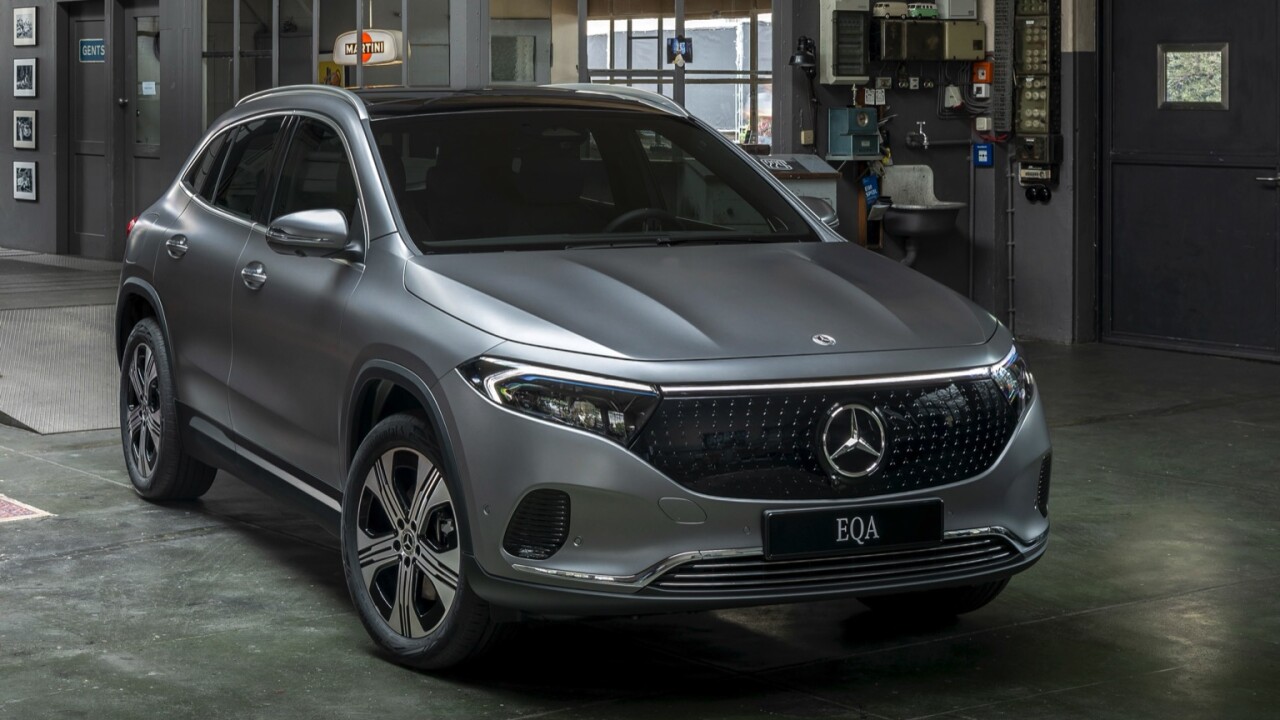

The first thing that draws you—and what keeps turning heads in car parks and at district cafés—is the design. Mercedes has leaned into the EQ family styling, and the EQA wears it with confidence. It feels like a premium city SUV: compact enough to live in tight urban environments, but distinctive and upscale enough to make a fashion statement. Owners I talked with treat the car like an accessory as much as transportation—matching it to their lifestyle, not just a transport need. That’s relevant: if you buy a Mercedes partly because of brand and aesthetic, the EQA delivers. The exterior details and the lighting signatures make it feel modern and, frankly, a step above most small EV crossovers in visual appeal.
Inside, the cabin is where the car wins a lot of affection. The layout is clean, materials feel nice to the touch, and there’s a sense of thoughtful luxe without being shouty. Users consistently praise the seats for comfort on short and medium drives, and the ergonomics suit everyday chores—phone pockets, cup holders, and sensible storage areas that families and daily commuters appreciate. The MBUX interface comes up in nearly every conversation: people love the clarity and the voice assistant for simple tasks like setting navigation or changing climate settings. On the flip side, some owners told me the infotainment can be over-efficient—it asks a lot of questions about updates and preferences—and a few mentioned small software quirks that were sorted with dealer updates. In short: it’s advanced and mostly intuitive, but you’ll want to be patient with the occasional digital hiccup while your car evolves through over-the-air fixes or dealer visits.
Practicality is where the EQA’s city-focused DNA shows. It’s not a large SUV, and if your life revolves around transporting tall items or a seven-seat family, it won’t be your best bet. But for most urban families, couples, or solo buyers, the boot and cabin space are more than adequate. Parents told me the rear seats accommodate child seats with minimal fuss, and the layout of the boot makes grocery runs and weekend bags straightforward. The rear roofline is a bit sloped compared with boxier SUVs, so very tall adults might feel the back seat is tighter than they'd like on long trips—but for school runs and shorter commutes, it’s perfectly usable. Folding seats expand cargo capacity sensibly, and the car’s footprint makes parallel parking less stressful than larger SUVs.
Range and charging are always the battleground topics for EV ownership and the conversations I had were refreshingly practical. Owners view the EQA as a city and commuter car first; that’s the use case it suits best. Most people set it up with a home wallbox for daily top-ups, and that has made ownership blissfully simple—plug overnight, start the day with a comfortably charged battery, and never give it a second thought. For those who need to use public chargers, experiences vary with the local infrastructure. In areas with a decent fast-charging network, owners felt confident doing regional trips if they planned charging stops. In places where fast chargers are sparse or unreliable, range anxiety was still a thing, but most drivers adapted by planning and by using route-planning features in the car’s navigation. One practical habit I heard again and again: drivers preheat or precondition the cabin while still plugged in when leaving on a longer journey during cold weather—small steps that make longer trips far less stressful and help preserve usable distance.
Reliability is the tough but essential part of any long-term ownership story. Across the interviews and my first-hand time with the car, the EQA has been largely reliable in terms of mechanical robustness—EV architecture simply removes some of the usual wear items you deal with on combustion cars, and owners enjoy that simpler day-to-day mechanical life. Where issues crop up, they tend to be in the software or connectivity realm: media glitches, occasional awkward updates, or calibration quirks on some driver assistance features. Most of the owners dealt with these through dealer appointments or remote updates. Mercedes’ service experience came in for mixed but generally positive mentions—people appreciated the dealership’s care and the convenience of scheduled software updates, though a few felt service times could be longer depending on the location.
Driving the EQA in real life is about comfort and composure rather than sporty theatrics. The suspension soaks up the typical urban potholes and speed bumps, and the ride feels poised and controlled. For many buyers in this segment, that matters more than raw acceleration numbers: they want to feel safe, well-insulated from road noise, and relaxed during daily use. Some owners with more enthusiastic driving styles mentioned that while the EQA can be lively in town, it’s not a driver’s sports machine—again, not the point. The regenerative braking system is something regular owners adapted to fast: adjustable settings let you choose how much one-pedal feel you want, and most drivers grew to prefer a stronger regen setting for urban commuting because it smooths traffic flow and reclaims energy efficiently.
Cost of ownership tends to be a key anchor for real customers deciding between a premium EV and alternatives. Owners appreciate the lower routine servicing needs—no oil changes, fewer brake jobs—so running costs feel attractive compared to a comparable petrol or diesel Mercedes. Insurance and premium-badge ownership costs are something buyers factor in from day one; some owners said that leasing is popular because it reduces the worry about rapid depreciation and resale. Charging costs are obviously variable based on where you live and whether you charge at home or use public networks. Everyone I spoke to agreed that having a reliable home charger transforms the ownership experience from nervous to normal and that investing in a good wallbox was one of the best practical moves they made after buying the car.
The EQA’s technology package is a highlight for style-conscious, tech-curious buyers. Ambient lighting, driver assistance features, and convenience tech that were once exclusive to larger Mercs are filtered down into this compact package, which amplifies the sense of value. Some owners love the subtle luxuries—heated steering wheel, multi-mode climate preconditioning, the sensation of a well-insulated cabin—details that make the car feel more expensive than its size suggests. On the downside, advanced driver aids can be hit-or-miss depending on road markings and local conditions; owners recommend using them as assistants rather than full replacements for driver attention. For people who buy for the badge and the tech, the EQA does a great job of balancing desirability and usefulness.
There are a few real-world niggles you should know about if you’re considering one. First, the EQA sits in a crowded and rapidly evolving market. Newer EVs with longer ranges or cheaper running costs arrive frequently, so the EQA’s appeal often comes down to brand, cabin quality, and the ownership experience rather than headline athleticism. Second, urban buyers who expect to do frequent long interstate runs may find themselves planning more than they hoped to. That’s not a deal-breaker, but it’s a reality: if your life includes regular long-distance travel, think about your charging options and whether a different EV profile might suit you better. Finally, as with many premium EVs, dealer support and software responsiveness can vary by region. If you’re buying used, try to find a car with a documented update history and ask the seller whether dealer-recommended updates have been applied.
On the plus side, owners love living with the EQA. They compliment the refined ride, the feeling of being wrapped in a premium cocoon, and the ease of city driving. The car fits wardrobes and lifestyles—stylish professionals, small families, and urbanites who want a badge with a conscience. People who prioritize appearance and day-to-day comfort over extremes of range or cargo capacity are particularly enthusiastic. One recurring theme: the EQA makes the transition to electric ownership feel elegant and well-considered, rather than experimental or punishing.
If I had to sum up what real-world owners say about the EQA (2023), it’s this: you buy it for the Mercedes experience in a compact EV package. You keep it because it makes everyday life easier, prettier, and quieter. Practicalities like a home charger, awareness of local public-charge infrastructure, and a willingness to accept the occasional software update are part of the ownership pact. If you want a stylish, premium-feeling small EV that’s tailored to urban living and offers a refined, comfortable ride, the EQA delivers on those promises. If your needs tilt toward long-haul practicality or maximum cargo flexibility, consider a larger EV or a different body style.
For trendsetters and style-conscious buyers, the EQA is a charming and sensible choice. It’s not the most radical EV on the market, nor the most range-obsessed, but it nails the everyday—where most cars actually spend their lives. And from the conversations and time I’ve spent with owners, that’s why people stick with it: for the way it fits into their lives, looks great parked outside, and simply makes sense for daily use without demanding drama. In short, the EQA is the kind of car that feels like an intentional purchase rather than an accident, and that, for many, is exactly what luxury EV ownership should be.
I’ve lived with the 2023 Mercedes‑Benz EQA long enough to know what it does best: it turns everyday EV life into something that actually feels a bit stylish. The cabin is quiet, the materials and MBUX tech feel premium, and it’s a brilliant city companion if you’ve got a home wallbox for regular topping up. It’s not the car for maximum range or boot‑space obsessives, and you should expect the odd software hiccup, but if you want a compact electric SUV that looks the part, rides comfortably and makes commuting feel a little more luxe, the EQA nails that brief. My advice: buy it for the mood, the usability and the badge — just plan longer trips carefully and check the dealer keeps the software up to date.
Specifications
| Specification | Value |
|---|---|
| Manufacturer | Mercedes-Benz |
| Model | EQA |
| Model year | 2023 |
| Market | UK |
| Body type | Compact Electric SUV |
| Powertrain | Electric |
| Drive | Front-wheel Drive (standard EQA Configurations) |
| Seating capacity | 5 |
| Cargo flexibility | Rear Seats Fold To Expand Loadspace |
| Infotainment | MBUX With Voice Assistant |
| Climate and comfort | Multi-mode Climate, Heated Steering Wheel Available |
| Regenerative braking | Adjustable Regenerative Braking For One-pedal Driving |
| Charging support | Suitable For Home AC Charging (wallbox) And Public DC Fast Charging |
| Intended use | Urban/commuter-oriented Electric SUV |
| Noise and insulation | Quiet Cabin With Good Insulation |
| Driver aids | Advanced Driver Assistance Features Available (assistants Are Aids, Not Replacements) |
| Ownership notes | Lower Routine Maintenance Than ICE Cars; Software/connectivity Issues Possible And Usually Resolved Via Updates |