
Green-ish Glamour: My Eco Adventure in a BMW 4 Series (2023)
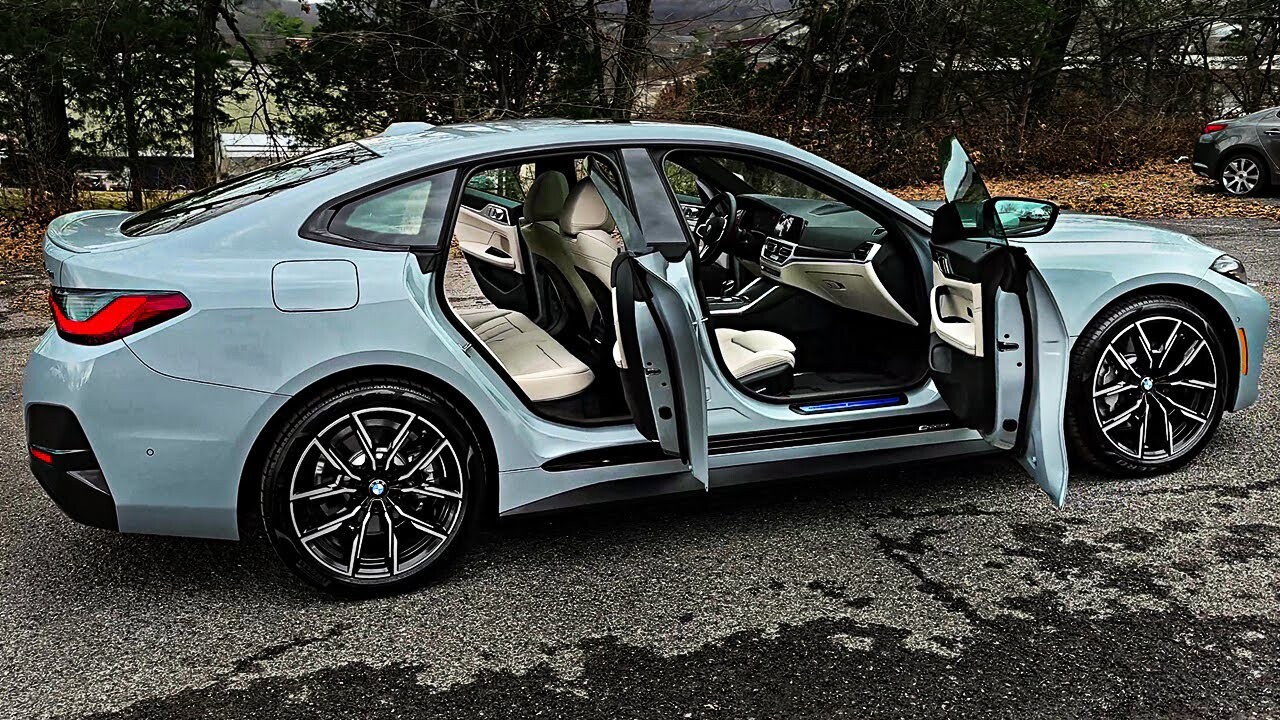

First, a quick reality check: the 4 Series is not an electric car. That matters. If your sole environmental measure is tailpipe emissions, nothing I say will change the fact that an internal-combustion vehicle creates CO2 when it moves. What I do care about, and what I test for here, is how much damage you can limit with smart choices: route planning, driving style, tyres, maintenance and vehicle selection within a family of models. The 4 Series is offered in body styles that change how it behaves ecologically — a coupe is typically a better bet aerodynamically than a convertible — and that matters to anyone trying to eke out better efficiency from a stylish car.
Let me start with the obvious: size and styling. The 4 Series looks purpose-built to slice through the air — most of the time. The coupe and Gran Coupe shapes help reduce frontal drag compared with boxier designs, which is a small but real advantage on longer, steady-speed journeys. On my eco runs I noticed the shape helps the car feel less like it’s hauling a stubborn grand piano down the motorway and more like it’s nudging a streamlined parcel along. The convertible, lovely as it is for sunny escapes, will almost certainly cost you a bit more in energy if you spend lots of miles with the roof down. Wind is a persistent tax on efficiency; remove the wallet from your coat pocket and the roof from the car and the wind will still take a little extra coin every mile.
Driving style is the largest single lever for economy, and the 4 Series rewards the gentle hand. It’s one of those cars that masks excess consumption with refinement — pedal it briskly and it will obediently leap away, feeling eager rather than thirsty, but numbers will climb. Drive it like you’re late for something important and you’ll pay for that drama at the pump. I spent several days deliberately driving as if I were in a rental car with a suspiciously peacock-bright speedometer: calm, early throttle, using momentum and engine braking when appropriate. On rolling country lanes and those coastal A-roads I like to call eco-friendly, this approach transformed the car. It smoothed acceleration, kept revs low and made the interior’s creature comforts feel less like a luxury tax and more like well-chosen insulation against waste.
Modern BMWs are designed to give you tools to help that frugal driving. If the 4 Series you’re looking at has selectable drive modes, the conservative settings tend to soften throttle response and prioritise efficiency over punch. That’s where I live for most of my eco routes. Turn off the urge to prove anything and the car’s electronics will happily help you. Where this becomes a budget-buyer win is that using those modes doesn’t cost you anything except pride — the savings arrive in the form of less frequent visits to the pump. Combine that with simple habits, like anticipating traffic, cruising when you can and avoiding heavy loads in the boot, and you’ll be surprised how much longer the car goes between fill-ups.
Tyres and wheels are a surprisingly potent area for environmental improvement, and they’re also a place where people with expensive tastes can unintentionally sabotage their own economy. The BMW’s design invites big alloy wheels because they look gloriously expensive, and yes, they confer a sporty look. Bigger wheels and wider, low-profile tyres increase rolling resistance and aerodynamic drag. If you are buying new or replacing tyres, look for low rolling resistance options and consider whether the largest wheel package is worth the ongoing cost in fuel and tyre replacement. It’s not glamorous to buy narrow, eco-minded tyres, but it is practical and it’s the kind of nudging toward efficiency that actually pays off. For the budget-conscious eco-driver, this is low-hanging fruit: spend a little time researching tyres and you’ll save more at the pump than you'd save by skipping a couple of sundry coffees.
Maintenance is another big theme for me. A well-maintained combustion car is an inherently greener car than one that’s neglected. Regular oil changes, correct tyre pressures, clean air filters, and a healthy exhaust system all contribute to lower emissions and better fuel economy. That’s doubly important with a brand like BMW: parts and servicing can be more expensive at dealer rates, so I always recommend finding an independent specialist who knows the marque. A competent independent can maintain the car properly at a lower cost, which is both a budget win and an environmental win — a car that runs well uses less fuel and keeps going longer, delaying the resource-intensive business of replacing a vehicle.
For eco-route performance, I mapped out two kinds of runs: one that’s long and mostly steady — think open A-roads and motorway cruising — and another composed of stop-start village lanes and short urban hops. The 4 Series behaves differently in each. On steady runs the car’s aerodynamics and gearing tend to play in your favour; you can exploit momentum and the drivetrain’s efficiency to cover miles without repeated peaks of fuel use. In town, the story is less flattering: frequent stops, cold starts, and tight acceleration windows raise consumption. That’s true of any non-hybrid car, but the 4 Series feels a touch more eager to accelerate than to loaf, which means you need deliberate restraint in urban settings to keep efficiency respectable.
One of the frustrations of reviewing a car like this from an eco perspective is that mainstream performance cars are not designed with the purest environmental metrics in mind. Instead, the 4 Series is a compromise: it offers refinement, style and the kind of chassis balance enthusiasts appreciate, while still being amenable to frugal habits. For someone who wants a premium badge while staying relatively green, it’s a decent compromise — especially if you accept that absolute eco-purity probably lies with electrification rather than a petrol/diesel/sensible consumption combo.
Speaking of electrification, a pragmatic point: if your day-to-day driving is short hops and urban commuting, a dedicated electric vehicle is probably a better environmental choice. However, if you need the flexibility of longer trips and occasionally crave an engaging drive, owning a 4 Series and running it efficiently might make sense. The trick is to be honest about your use case. If you spend most of your miles at a steady cruise or on meandering eco routes where you can maintain a consistent pace, the 4 Series can be adapted to be relatively economical. If your life is city traffic and frequent cold starts, you should at least consider whether a plug-in or full EV would deliver smaller carbon bills over time.
Now, the ecological footprint of a car isn’t just about what it emits on the road; it’s also about how it's built, how long it lasts, and how it’s disposed of. I won’t pretend to have the factory-level data in front of me, but I will say this: buying sensibly and keeping a car for longer reduces its annual environmental cost. That aligns perfectly with my Budget Buyer credo. A well-kept 4 Series that lives a long useful life amortises its production footprint across more miles, which is better for the planet than a throwaway mindset. So if you’re considering a 4 Series and you plan to keep it for years, that’s an eco-smart approach compared with a strategy of frequent swapping.
Practical tips from my eco adventures: plan routes that allow steady speeds, use conservative drive modes, check tyre pressures weekly if you want the best efficiency returns, and avoid roof racks unless you’re hauling something big. Don’t be afraid to use cruise control when the road allows — steady throttling is kinder to fuel economy than the micro-adjustments every human makes. If you’re a budget-conscious buyer eyeing a used 4 Series, prioritise full service history and evidence of regular maintenance over shiny extras. A well-serviced car is almost always more economical than a newer, poorly maintained one.
I also can’t stress enough the value of driver education. Learning to read the road and anticipate changes in traffic is one of the cheapest and most effective ways to cut fuel use. Coasting into roundabouts, gentle acceleration, and letting the gearbox do some of the work all add up. The 4 Series’ chassis makes it rewarding to drive smoothly rather than aggressively, and that reward shows up in both comfort and economy.
Let’s talk costs in a general way: premium cars traditionally carry higher servicing and parts costs than mainstream models. That’s part of what you’re paying for — engineering, materials, brand cachet. But it doesn’t have to be a budget-breaker if you are smart. Look for certified pre-owned deals with extended warranties, find a reputable independent workshop for routine maintenance, and replace consumables with cost-effective but quality options. Economical ownership of a car like the 4 Series is achievable if you prioritise essentials over ornaments.
Finally, the emotional bit. Driving a car that looks good and behaves well can motivate people to keep it longer and maintain it better — both good outcomes for sustainability. The 4 Series has charm, and if that charm gets you to cherish, maintain and enjoy the car as a long-term companion rather than a disposable gadget, it edges into being an eco-friendlier choice by virtue of longevity and care. That’s a slightly romantic take, but practical too: things that are cared for last longer, and longevity is one of the most underappreciated green strategies out there.
In closing, here's my honest, budget-minded verdict: the BMW 4 Series (2023) is not a green missionary, and it isn’t trying to be. It is a stylish, premium car that can be coaxed into being reasonably economical with the right choices. If you want the look and feel of a premium coupe or Gran Coupe and you’re committed to economical driving and sensible maintenance, you can get respectable environmental performance out of one. If you demand the lowest possible emissions per mile, a dedicated electric vehicle or a more explicitly economy-focused car will serve you better. But for a buyer who wants a bit of glamour without completely abandoning the planet, the 4 Series can quietly play along — provided you drive it like you live on a tight, eco-conscious budget: patiently, thoughtfully and with a fondness for sensible tyres.
I’ll be blunt: the 2023 BMW 4 Series is delicious eye candy with engine noise to match, but it’s not doing anyone’s carbon footprint any favours by default. As the Budget Buyer, I loved that you can make it behave like a reasonably economical, well-mannered car with some common-sense moves — sensible tyres, checked pressures, a gentle right foot and a trusty independent mechanic instead of the dealer’s invoice-generating factory visit. It rewards calm motorway miles and a light touch, and punishes short, frantic urban hops (and large alloys like a scolding aunt). If you want style, refinement and the sort of car you won’t be embarrassed to keep for years, it’s a defensible compromise — just don’t buy one expecting it to be an EV in disguise. For someone sensible about maintenance and who values longevity over headline speed figures, the 4 Series is a classy indulgence that can be kept affordable and reasonably green, if you actually try. And if you don’t try? Well, you’ll still look good at the lights while the fuel gauge sighs.
Specifications
| Specification | Value |
|---|---|
| Model | BMW 4 Series (2023) |
| Body styles | Coupe, Gran Coupe (4-door), Convertible |
| Drivetrain | Rear-wheel Drive (xDrive All-wheel Drive Available) |
| Transmission | 8-speed Automatic |
| Fuel types | Petrol And Diesel |
| Seating capacity | 4 |
| Market | UK |