
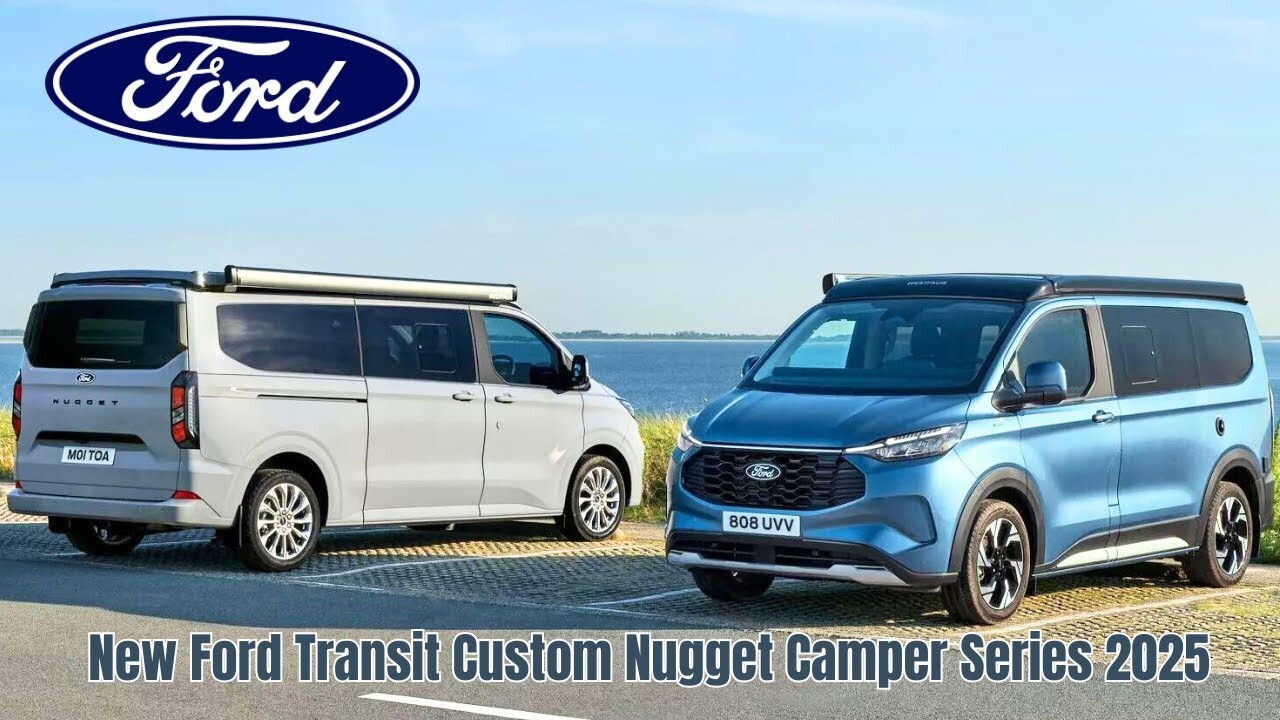

Prologue: Why a classic-car lover would borrow a modern camper
If you had told me five years ago that a man who spends Sunday mornings under the bonnet of a 1968 saloon would willingly spend weekends in a modern camper van, I would have laughed and offered you a tin of rustproofing. Yet here I am, notebook in hand, having logged several thousand miles and more weekend stops than I can count in a 2025 Ford Transit Custom Nugget. I wasn’t seduced by glossy brochures or the latest infotainment menus; it was the idea of a moving, honest-minded living space that reminded me of the simplicity of old caravans and flatbed tailgate picnics.
This piece is not a spec-sheet. It’s a ledger of days on the road: dawn coffee on frost, sticky summer evenings with the smell of rain on tarmac, the small triumphs and inevitable niggles of living with a camper. I write as someone who loves patina and mechanical stories, so my appraisal weighs history and practicality alongside creature comforts and day-to-day reliability.
First impressions and the daily reality
The first morning I used the Nugget as a base for a quick coastal escape, I remember feeling oddly contented stepping into a well-thought-through little world. The interior layout felt sensible and restrained rather than gimmicky. Cabinets were easy to open and shut, catch points felt secure, and the surfaces—while modern—had that lived-in practicality you want when camping: easy to wipe, resilient to spills and muddy boots.
On the road, the Transit Custom platform beneath the Nugget behaves like what it is: a modern light commercial vehicle tuned for daily-use durability. The driving position is upright and familiar to anyone who’s used a van for deliveries or long trips. I found visibility generally good for junctions and lane changes, and the steering felt predictable in crosswinds and when loaded. For someone used to driving lighter, narrower classic cars, there was an adjustment period — mainly in judging the length and the higher centre of gravity — but nothing that surprised me after a handful of hours behind the wheel.
Living with the interior: small comforts, big differences
Where older campers tended to feel like converted metal boxes, the Nugget struck me as a thoughtful compromise between day-to-day practicality and the cozy feeling of a small caravan. The layout makes it easy to move around for basic tasks: making coffee, preparing simple meals, changing into wetter clothes after a beach stroll. Storage is always a battleground in small-space living; in this Nugget, most everyday items — clothing, cooking bits, and outdoor gear — found a home without constant Tetris-style repacking.
Sleeping arrangements were comfortable enough for two adults. I slept well on most nights and woke without the sort of aches that follow poorly designed camper berths. A small personal detail I appreciated: the attention to small storage niches for phones, reading glasses and a book. They seem trivial until you need them at 03:00 when the rain starts on the roof.
Heating and ventilation in changing weather proved adequate for my needs. On cooler nights I relied on layers and a good sleeping bag rather than pushing systems to their limits. In hot weather, the interior stayed tolerable with the van parked under trees or with screens drawn. In short, the Nugget worked as a living space rather than a novelty — and that meant it earned my trust more quickly than many other campers I’ve tried.
Practicality: storage, packing, and campsite life
Practical use is where the Nugget consistently showed its mettle. Get your packing right and you can carry a surprising amount of kit without feeling cramped. My approach was to divide gear into daily-access items and trip-only items. The daily-access items — jackets, mugs, a compact stove, torches — went to easily reachable cubbies. Bulky items lived under benches or in an allocated locker area.
At campsites, setup was simple: park, level if necessary, organise the living area and unwind. The Nugget’s footprint makes it easier to find parking near towns and coastal points than larger motorhomes. I found myself able to dart into villages and still be handy for an afternoon exploring on foot, then return to a base that was as comfortable as a small hotel room.
One common question I get from readers: how does it handle long trips with luggage and gear? For real-world use — weekend escapes, a week-long coastal run, or a slow drive into the hills — the Nugget felt composed. You must be mindful of load distribution; keep heavier items low and centred, and always check that locker catches are secure before hitting the motorway.
Reliability and day-to-day durability
Reliability is the central currency of any long-term motoring relationship, and I judged the Nugget on the metric of everyday dependability. Across several months and a mix of urban driving, motorways and rural lanes, I experienced no catastrophic mechanical failures. Routine things cropped up — a minor interior rattle, a software glitch with a paired phone on one occasion — but these were largely inconveniences rather than deal-breakers.
Regular maintenance, sensible driving habits and attention to service schedules will go a long way in keeping a modern van like this healthy. My own approach was conservative: frequent visual checks, tyre pressures monitored before long runs, and prompt attention to any dashboard warnings. The Nugget rewarded this care by offering trouble-free miles and the kind of predictable behaviour I value in a mobile home.
Cooking, washing and the small rituals
A camper is only as good as the small rituals it enables: a morning coffee ritual, a quick warm meal after rain, the ability to wash effectively after a muddy walk. In practice, the Nugget made these rituals straightforward. I’m a fan of low-fuss cooking when touring — a one-pot supper or a grill pan done over a modest heat — and the van’s galley-styled space was perfectly suited to that approach.
Water usage is an obvious constraint in any small camper. I learned to conserve, to carry extra jerrycans for longer runs, and to use campsite facilities when I wanted a more luxurious wash. Those choices are part of the rhythm of camper life, not a criticism of the vehicle itself.
Seasonal use and weatherproofing
I used the Nugget across seasons. In cooler months, condensation management and insulation behaviour are what make a camper liveable, and attention to ventilation paid dividends. In warmer months, shade and airflow mattered most. I found that a mixture of simple techniques — parking cleverly, using screens and vents — made the interior comfortable without extravagantly relying on systems.
One tip from experience: always check seals and drainage points after heavy storms or winter storage. Small breaches left unattended can grow into bigger annoyances. Regularly wipe edges and lubricate closures to preserve longevity of moving parts; it’s basic, but it helps keep things from creaking into disrepair.
Practical drawbacks and things I’d change
No vehicle is perfect. The Nugget’s compromises are mostly the inevitable trade-offs of size versus comfort. A couple of design choices could be improved for long-term touring: more easily accessible external storage for frequently used outdoor gear would save repeated loading-unloading; some interior surfaces attract scuffs from boots and wet gear and could benefit from tougher finishes; and additional task lighting in specific areas would make reading and cooking at night easier without bright overhead lights.
Another point worth noting is serviceability. As with many modern vans, certain routine checks and minor repairs are best handled in a proper workshop rather than in the field. For the vintage-minded among my readers, that can feel like a concession — but in practice, it simply means planning service intervals so you’re not caught out mid-tour.
On the road: stories that stuck with me
I remember a bank holiday where a sudden windstorm unpeeled the campsite’s canvas shelters — neighbours were apologetic and busy salvaging poles. I simply pulled the Nugget a little further in and offered coffee from my small gas stove. Another time, I spent an impromptu night on a quiet headland. The van’s position made a perfect vantage point for sunrise; the light along the cliffs felt like a reward for an early start and a long drive. These are the memory-stitched moments I associate with good touring vehicles: they give you the freedom to find small pockets of solitude and to live well within a compact envelope.
As a classic-car lover, I also enjoyed the contrast. When I drove the Nugget past a row of old touring caravans, I felt a kinship. Different eras, different technologies, but the same: a desire to carry your small domestic world wherever the road takes you.
Ownership thoughts, maintenance and resale
For prospective owners, here are the distilled lessons from months of use. Keep a modest toolkit, know where basic spares are (lightbulbs, fuses, and a tyre repair kit), and keep records of service visits. Cleanliness and good storage habits preserve interior finishes remarkably well — campers that are carefully cared for tend to keep value and avoid the typical damp-related issues that afflict neglected vans.
When it comes time to sell or trade, buyers are often after a well-documented history and evidence that the living areas have been maintained. The simple rule applies: treat it as both a vehicle and a home, and both aspects will remain attractive to buyers later on.
Final verdict: a modern tool with classic touring charm
In conclusion, my months with the 2025 Ford Transit Custom Nugget taught me that modern campers can appeal to an old-school sensibility without turning into mere appliances. It doesn’t try to be a luxury hotel on wheels; it does the job of carrying a compact, comfortable living space reliably and sensibly. For anyone who remembers simpler touring days and still wants the comforts of a practical, dependable vehicle, the Nugget offers a bridge between eras.
Would I recommend it? Yes — particularly to those who value practicality, sensible design and the freedom to wander without fuss. It’s not a thunderous romance like a freshly restored classic rally car, but it offers something else: steady companionship, sensible engineering and a platform for making long, quiet memories by the road.
As I handed the keys back at the end of my extended loan, I felt a twinge of the same melancholy I get selling on a cherished classic. That, I suppose, is praise enough. The Nugget had become not merely a van, but a small rolling chapter in my motoring life.