
Green Velvet: My Eco-Adventure with the Bentley Bentayga
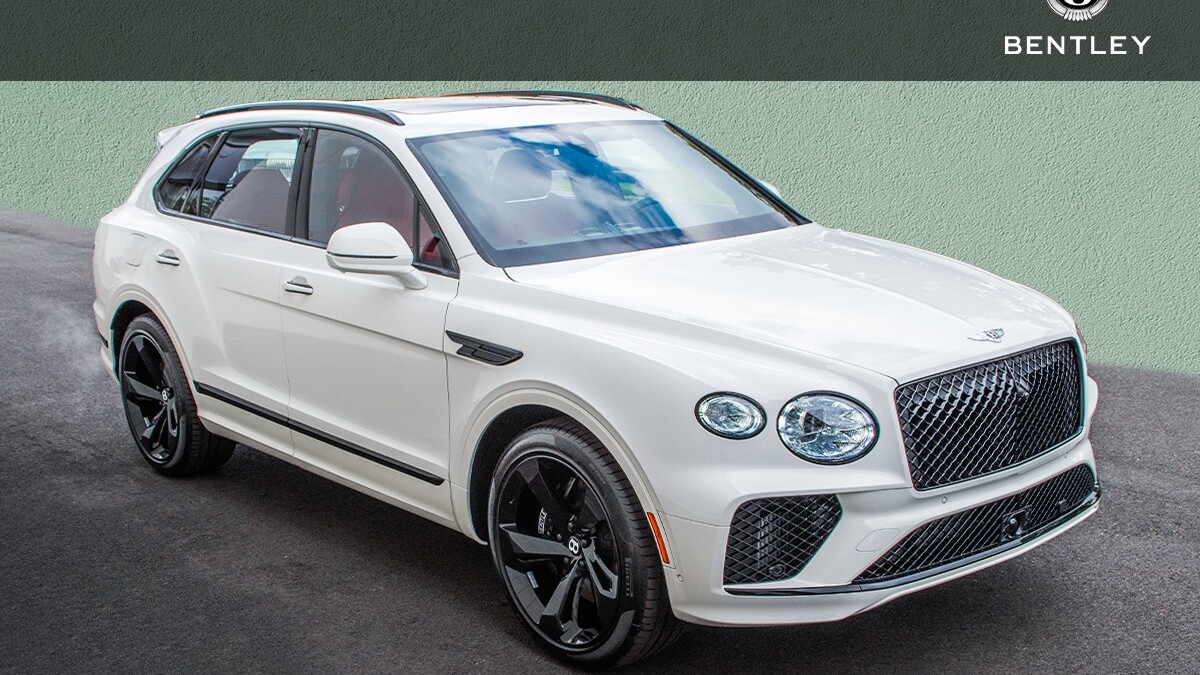

First impressions: Couture SUV, with a conscience (trying)
What I drove — and why that matters
The Bentayga range includes multiple powertrain approaches, including twin-turbo petrol variants and an electrified plug-in hybrid option. For the eco-focused routes I planned, the hybrid-bolstered Bentayga was the obvious choice because it offers an opportunity to travel with lower tailpipe emissions through towns and to exploit regenerative systems on twisty, hilly roads.
I spent my days plotting routes that prioritized low-emission zones, regenerative braking benefits, and scenic stretches where electric or low-emission running delivers both calm and efficiency. These included coastal drives where stop-start traffic is an inevitability, and upland passes where descent recovery can return useful electric charge.
On the road: how the Bentayga handles eco-routes
There’s a superficial contradiction to enjoy: the Bentayga, with its imposing stance, nevertheless slips into a serene, cultured character when coaxed into efficient driving modes. Its hybrid systems (where present) let you begin a journey in pure-electric mode for short urban hops, which is invaluable in emissions-restricted city centers and quiet country villages. Once you move onto open roads, the car’s uncanny ability to mask mass — thanks to refined suspension tuning and strong low-end torque — makes long, sedate cruises feel effortless.
On my coastal leg, electric-only operation for short stretches made towns feel almost idyllic. The Bentayga’s insulation means you hear little except for tires whispering on tarmac when the combustion engine is asleep. That’s a meaningful sensory change: an eco-adventure aims for a subtler presence, and the Bentayga can deliver that in bursts.
But the other side of the coin is unavoidable. When you need pace or when battery charge is depleted, the Bentayga reverts to the kind of engine note and consumption profile you’d expect of a heavyweight luxury SUV. In these moments the eco-claim is more nuanced: the Bentayga is not a compact EV whispering across a city square — it’s a luxe leviathan that can be tamed for greener travel, but not turned into something it’s not.
Efficiency practices that worked on my route
My most tangible eco gains came from route planning and mindset rather than magical technology. A few practical approaches that returned dividends:
- Segment planning: I mapped the journey so urban legs were short and done in electric mode where possible, and highway legs were planned at consistent speeds to let the hybrid system run close to peak efficiency.
- Regenerative discipline: I leaned into one-pedal techniques on downhill stretches to maximize regen without harsh braking — the Bentayga’s systems are willing partners here.
- Load light: I pared cargo down to essentials. Luxury SUVs reward being driven with restraint.
These measures won’t surprise any eco-driver, but they matter: the Bentayga rewards thoughtful use and route design. In many ways, it is a luxury object that asks for good manners — and it gives you measurable environmental benefits when you respond.
Materials and manufacture: how green is the badge?
Luxury brands are increasingly aware that sustainability is part of their cultural currency. Bentley has signaled moves toward greater material stewardship and electrification in its corporate messaging, and that shows up in options for upholstery and veneers from traceable sources. In the Bentayga you can choose finishes that lean into sustainability narratives: responsibly sourced woods and, in some cases, alternative materials that reduce leather usage.
But here’s my editorial note: provenance matters, and certifications matter more than PR. Choosing eco-trim options is a nice step for buyers, but the larger environmental footprint of ultra-luxury SUVs — from manufacturing to disposal — remains a systemic issue. A handcrafted veneer or a recycled material lining does not absolve the lifecycle impact of moving a multi-tonne machine down the road.
Charging, practicality and the reality of a plug-in Bentley
When you opt for an electrified Bentayga, you gain the flexibility of electric urban driving and the reassurance of an internal combustion engine for long legs. That practicality is the core argument for high-end plug-in hybrids — they shape-shift into efficient commuters in cities and become comfortable grand tourers elsewhere.
But pragmatism matters: plug-in systems require access to charging to unlock their full ecological potential. For a luxury buyer with home charging, the Bentayga Hybrid becomes a more convincing eco-vehicle. For someone reliant solely on public charging, the calculus is trickier. The car’s size and consumption when the petrol engine is active mean that sporadic charging won’t deliver transformative emissions savings.
The paradox of luxury SUVs in the climate age
This is the part of my piece where I get a little sharp: Bentleys are beautiful, meticulously made and culturally loaded. They signal success. But the era of big, heavy SUVs as status symbols sits at odds with the climate imperative. The Bentayga demonstrates one path forward — electrify and refine — but electrification alone is not a cleansing act. The conversation needs to broaden from tailpipe emissions to lifecycle emissions and to whether we should reframe what luxury looks like.
I’d love to see future Bentaygas that embrace the ethos of contemporary luxury: less reflexive size, more lightness through materials science, and a design language that celebrates efficiency as an aesthetic. Until then, the Bentayga sits somewhere between indulgence and progress: undeniably a technical accomplishment and a comfortable step toward cleaner motoring, but not the final word in eco-conscious automotive design.
Where the Bentayga shines for eco-adventures
If you imagine an eco-adventure as a weekend that combines refined comfort, minimal urban impact and scenic driving, the Bentayga is a superb host. It delivers a quiet cabin for town centers, an engaging hybrid system that rewards thoughtful driving, and the flexibility to tackle long-distance drives without range anxiety. It’s perfect for those who want to reconcile a taste for grandeur with a desire to reduce local emissions.
For route planners like me it’s a delight: you can craft itineraries that lean into the car’s strengths — mixed urban-hinterland journeys, coastal legs with frequent regenerative opportunities, and longer touring days where the combustion engine’s refinement keeps the mood civil. The Bentayga turns an eco-adventure into an occasion, not a compromise.
The competitive context and market trends
Luxury brands are racing toward electrification, and buyers are increasingly motivated by sustainability credentials. The Bentayga sits in a market where rivals will offer fully electric alternatives — and those EVs will have clear environmental advantages in city use and lifecycle emissions where the grid is clean. Bentley’s position, therefore, is transitional: offering high-quality electrified options now while preparing for a more electric future.
As a trendsetter, I watch brands that convert their heritage into new cultural idioms with interest. Bentley’s challenge is to take its artisanal strengths and make them relevant to a world that prizes low emissions. The Bentayga hybrid is a step in that direction — but the next, bolder moves will define whether Bentley remains a leader of tasteful luxury or becomes a museum of past indulgences.
My verdict: when Bentayga belongs in your garage
Buy a Bentayga if you value classical luxury, you care about quiet, refined journeys, and you either have reliable access to charging or you accept that the hybrid is a transitional technology on the way to full electrification. Don’t buy it if your primary aim is to minimize environmental impact above all else; there are more efficient options if absolute eco credentials are your only criterion.
Ultimately, the Bentayga is a conversation starter: a luxury SUV that can be driven responsibly and tastefully on eco-minded routes. It won’t absolve you of the climate conversation, but it’s one of the more honest and technically capable luxury entries at reconciling indulgence with evolving environmental expectations.
Final thought
I left the Bentayga at the end of my trip with the same complicated admiration I had at the outset. It’s a brilliant piece of automotive couture that is trying to evolve. In a world that is increasingly allergic to excess, Bentley’s Bentayga is a reminder that luxury can adapt — but only if brands and buyers choose to let design, materials and powertrains keep pace with the planet’s demands. That’s the real eco-adventure: rethinking what prestige will mean in the decades to come.
Specifications
| Specification | Value |
|---|---|
| Model | Bentley Bentayga |
| Body style | Luxury SUV (5-door) |
| Engine options | Available: Twin-turbo V8 Petrol; Twin-turbo W12 Petrol (selected Markets/earlier Models); 3.0L V6 Petrol Plug-in Hybrid Option |
| Fuel type | Gasoline (Petrol); Plug-in Hybrid (Petrol + Electric) |
| Transmission | 8-speed Automatic |
| Drivetrain | All-wheel Drive |
| Seating capacity | 5 |
| Cargo capacity | Varies By Configuration And Options |
| Charging (for plug-in hybrid) | Onboard Charging Compatible With Standard AC Charging; Users Should Consult Local Charging Infrastructure And Dealer Specifications For Exact Charge Times And Plug Compatibility |
| Notes | Bentley Offers Multiple Trims And Bespoke Options; Exact Specifications And Available Powertrain Variants Vary By Market And Model Year. For Precise, Current Figures (horsepower, Torque, Electric Range, Fuel Economy And Top Speed) Consult Bentley's Official Specification For The Specific Model Year And Market. |