
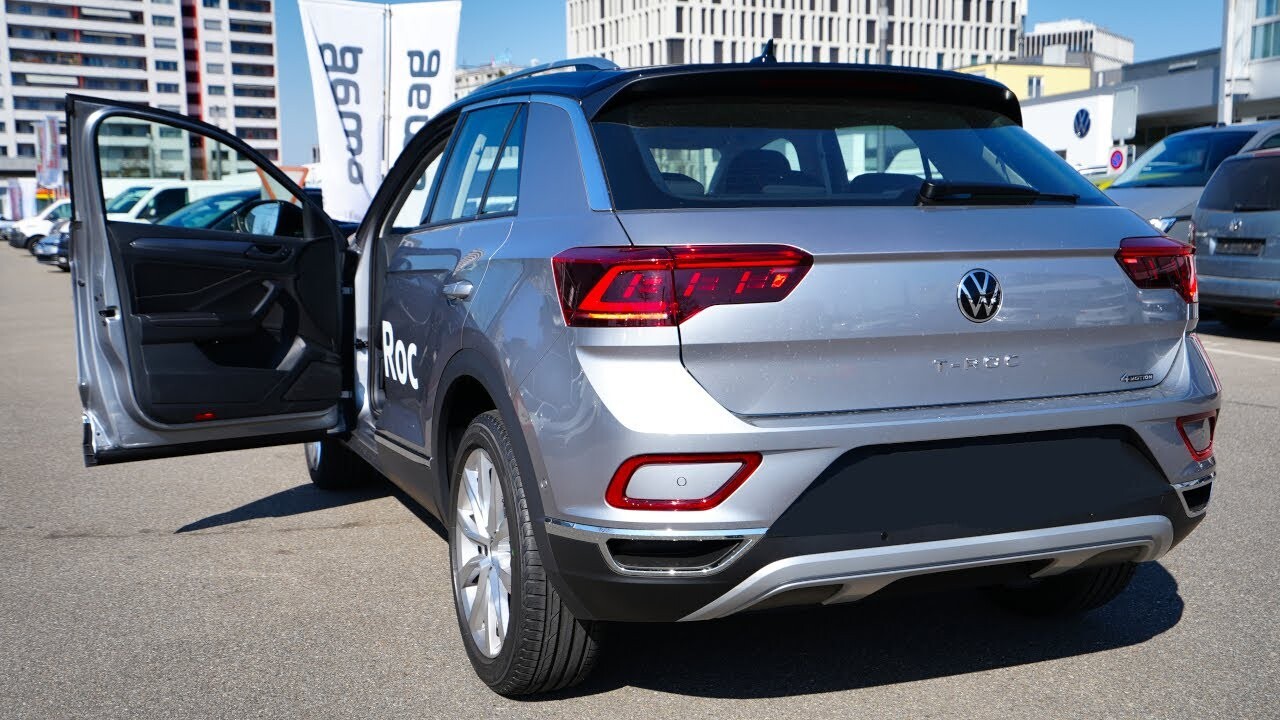

Overview: Where the T‑Roc Fits in the VW Lineup
The T‑Roc is Volkswagen's subcompact crossover, a car that lives between the Polo/Golf family and the larger Tiguan. Built on Volkswagen's MQB architecture, the T‑Roc is designed to be modular and versatile: compact in urban use, but with the ride height, interior packaging and utility that many buyers want for weekends away. From my perspective, the appeal lies in its engineering clarity — a well thought out platform, conventional drivetrain choices and a focus on real‑world usability rather than gimmicks.
Platform and Packaging: MQB DNA
The T‑Roc is underpinned by Volkswagen's MQB modular platform. That architecture confers several advantages for the weekend warrior: predictability in handling characteristics, the ability to accept a range of powertrains and drivetrains, and packaging flexibility that yields usable interior volume for luggage and outdoor kit. The MQB also helps keep repair and servicing straightforward; many components are shared across the Volkswagen group, which is a practical benefit when you are away from home.
Powertrains and Drivetrain Options — The Basics
Volkswagen offered the T‑Roc with a selection of turbocharged petrol (TSI) and diesel (TDI) units, and the car's drivetrain options included conventional front‑wheel drive as well as the company's 4MOTION all‑wheel‑drive system on certain configurations. Transmission choices included manual gearboxes and Volkswagen's dual‑clutch transmissions.
Why this matters for weekend use: turbocharged petrol engines provide broad torque bands and flexible shove at low rpm — useful when merging onto fast A‑roads or when carrying loaded roof boxes — while diesel powertrains (where available) offer endurance and steady torque for long motorway hauls. The availability of all‑wheel drive provides greater confidence on loose surfaces and in poor weather when venturing to beaches, gravel tracks or alpine passes.
Driving Dynamics: Chassis, Steering and Ride
In my driving sessions I concentrated on four domains that matter to a weekend warrior: ride comfort with luggage aboard, composure on twisty back roads, traction on mixed surfaces, and long‑distance cruising refinement.
The T‑Roc's ride quality is set up to strike a balance between comfort and control. At urban and town speeds the suspension soaks up pockmarked surfaces admirably; over undulating B‑roads there is measured body control without the float of large soft‑sprung SUVs. The steering is precise and communicative for its class — not sports‑car sharp, but it provides predictable weight and feedback that make the car engaging on a country lane. For drivers who like to carve rather than merely carry, the T‑Roc rewards progressive inputs and corner sequencing.
When fitted with the 4MOTION system, the T‑Roc's traction envelope expands: the torque distribution logic helps maintain momentum on loose or damp surfaces, which I found reassuring when I took the car onto covered forest tracks during a wet weekend run. Even in front‑wheel‑drive form the car benefits from a well‑tuned traction control system and an engine with a usable torque curve, so it seldom feels overwhelmed when loaded with gear.
Practicality: Space, Flexibility and Weekend Kit
This is where the T‑Roc earns its stripes as a practical weekend vehicle. The cabin layout is intuitive, with a driver‑centric control lay‑out and storage solutions that minimise clutter. Rear seating allows adults to travel comfortably for medium distances, and the rear seatback folding is straightforward, enabling you to adapt the interior for longer items or to create a flat surface for sleeping or storing bulky gear.
Roof rails are available as a factory option, and they pair well with roof boxes, bike racks and roof‑mounted carriers. I tested the mounting points and access ergonomics; the rails are at a comfortable height for loading, and the roofline does not make the vehicle awkwardly tall for most garage doors. For those who routinely carry oversized kit I recommend opting for the stronger factory roof mounting hardware rather than aftermarket clamps.
Infotainment and Vehicle Systems: Practical Tech
The T‑Roc's infotainment and driver assistance suite provides essential functionality without distracting from the driving experience. Volkswagen's systems are engineered for clarity: clear menus, logical grouping of vehicle settings and the availability of smartphone integration for music, navigation and hands‑free connectivity.
For weekend trips I rely on a few key functions: robust turn‑by‑turn navigation with offline fallback (so I don't lose my way on poorly‑mapped rural routes), a decent phone‑connection profile for podcasts and calls, and driver assistance systems that remain predictable. Adaptive cruise control, lane‑keeping assist and parking aids are all useful — particularly after a day on the road when fatigue sets in. The T‑Roc's driver aids are sufficiently conservative in their thresholds, which is preferable to intrusive automation during spirited driving.
Driver Comfort: Ergonomics for Long Hauls
Seats in the T‑Roc lean towards supportive rather than plush. For long motorway legs I appreciated the lumbar support and bolstering, which kept fatigue at bay. Visibility is generally good, with a raised seating position offering a broad view forward and a clear sense of the car's extents — useful when manoeuvring in tight country car parks.
Servicing, Reliability and Running Costs
From an engineering standpoint, the T‑Roc is straightforward to service: widely available parts across the Volkswagen family and modular assemblies make routine maintenance predictable. Ownership costs will vary with engine choice and driving profile; turbocharged petrol engines are generally easy to live with if serviced correctly, while diesels reward careful, long‑distance use.
When planning for weekend use, I advise prospective buyers to consider the service network in their area and to confirm maintenance intervals specific to the engine and transmission choice. Simple preventative maintenance — timely oil and filter changes, correct tyre pressures for loaded driving, and attention to clutch/DSG servicing intervals — will keep the car behaving as intended.
Safety and Driver Assistance
Volkswagen equips the T‑Roc with a suite of active and passive safety components. For weekend adventuring, I value systems that intervene predictably and offer support during long drives: adaptive cruise functions, automated emergency braking and blind‑spot monitoring are useful when driving with a roofbox or towing a small trailer. The car's structural engineering and restraint systems are designed to protect occupants in a wide range of crash conditions, which is a non‑negotiable consideration for family excursions.
Options and Trim Choices — Tailoring the T‑Roc
One of the T‑Roc's strengths is its configurability. Buyers can specify suspension, infotainment and equipment levels to suit their weekend lifestyle. If your typical weekend involves off‑piste beach trips or snowy lanes, prioritise models with higher traction capability and robust tyres. If the focus is on road trips and comfort, choose higher equipment levels for better seats and sound insulation.
Key option considerations for the weekend warrior:
- All‑wheel drive if you anticipate gravel, snow or steep inclines.
- Roof rails and a properly rated roof rack for bikes, kayaks or a cargo box.
- Upgraded infotainment and navigation if you often travel in remote areas.
- Protective floor mats and cargo liners to protect the interior after muddy trips.
Competitors and Market Context
The T‑Roc sits among a crowded field of compact crossovers. What differentiates it, to my mind, is Volkswagen's measured approach: competent chassis tuning, a modular platform with proven mechanicals, and a conservative yet durable interior. For a buyer who values a technically coherent machine that can do many things well — carry gear, handle a twisty road and ferry a family — the T‑Roc is a credible all‑rounder.
Collectability and Long‑Term Appeal — A Classic Car Lover's Take
As someone who spends a lot of time thinking about what gives a car lasting appeal, I evaluate the T‑Roc on a different axis: will it be a car enthusiasts care about in decades to come? The honest answer is nuanced. The T‑Roc embodies the competent, well‑engineered mainstream product of its era. While it is unlikely to become a sought‑after classic in the way that handbuilt sports cars are, it has virtues that make it enduringly sensible: practical engineering, good parts availability, and the kind of build quality that lends itself to longevity.
From a preservationist's perspective, the T‑Roc could become appreciated as a representative example of early 21st century crossover design — a snapshot of how manufacturers balanced efficiency, packaging and safety. For the enthusiast who likes contemporary classics, keeping a low‑mileage, well‑documented example with a sound service history may offer small but steady rewards in the future.
Practical Weekend Scenarios — How the T‑Roc Handles Them
To make this review concrete, I broke my assessment into several typical weekend scenarios and recorded how the car responded:
1. Coastal weekend with surfboards and beach gear
The T‑Roc's roof rails and internal storage make it easy to fit surfboard racks and housings. Carrying sand‑covered gear is straightforward thanks to durable cargo surfaces and accessible boot opening. The elevated seating helps when navigating coastal slips and steep access tracks, and the traction control provides confidence when wheelspin is a risk.
2. Forest and gravel tracks
On unsealed roads the 4MOTION‑equipped T‑Roc felt composed. The suspension isolating characteristics and traction management combine to keep the car settled and predictable. I avoided attempting extreme off‑roading — this is not a body‑on‑frame 4x4 — but for campsite runs and gravel access roads it proved more than competent.
3. Long motorway haul
For long distances the T‑Roc is comfortable and quiet enough to make long journeys enjoyable. Supporting driver aids reduce fatigue, and the seating ergonomics are favourable for multi‑hour legs. Soundproofing is generally good for the class, and the car cruises with composure at highway speeds.
Final Thoughts — Should You Choose a T‑Roc as a Weekend Warrior?
After living with the Volkswagen T‑Roc (2022) across a varied set of weekend scenarios, my verdict is clear: this is a compact crossover built with pragmatic engineering and considered packaging, and it makes an excellent choice for buyers seeking a versatile recreational car. It will not satisfy those looking for raw, sports‑car thrills, nor will it replace a dedicated off‑road machine — but it does many things very well.
For the classic car lover in me, the T‑Roc represents something admirable: a machine designed with engineering sense, intended to do a job reliably and to be used. If you want a technically sensible, flexible and well‑executed compact crossover that will handle family weekends, outdoor kit and long road trips with competence, the T‑Roc deserves serious consideration.
Practical recommendation: choose the drivetrain and option package aligned to your typical weekend use — all‑wheel drive for rough roads and poor weather, and a well‑equipped trim with roof mounting hardware for active lifestyles. Maintain it well, and the T‑Roc will return the favour with dependable, versatile service.