
Citroën C3 — Driving, Engines & Performance: An Eco-Adventure from a Classic Car Lover
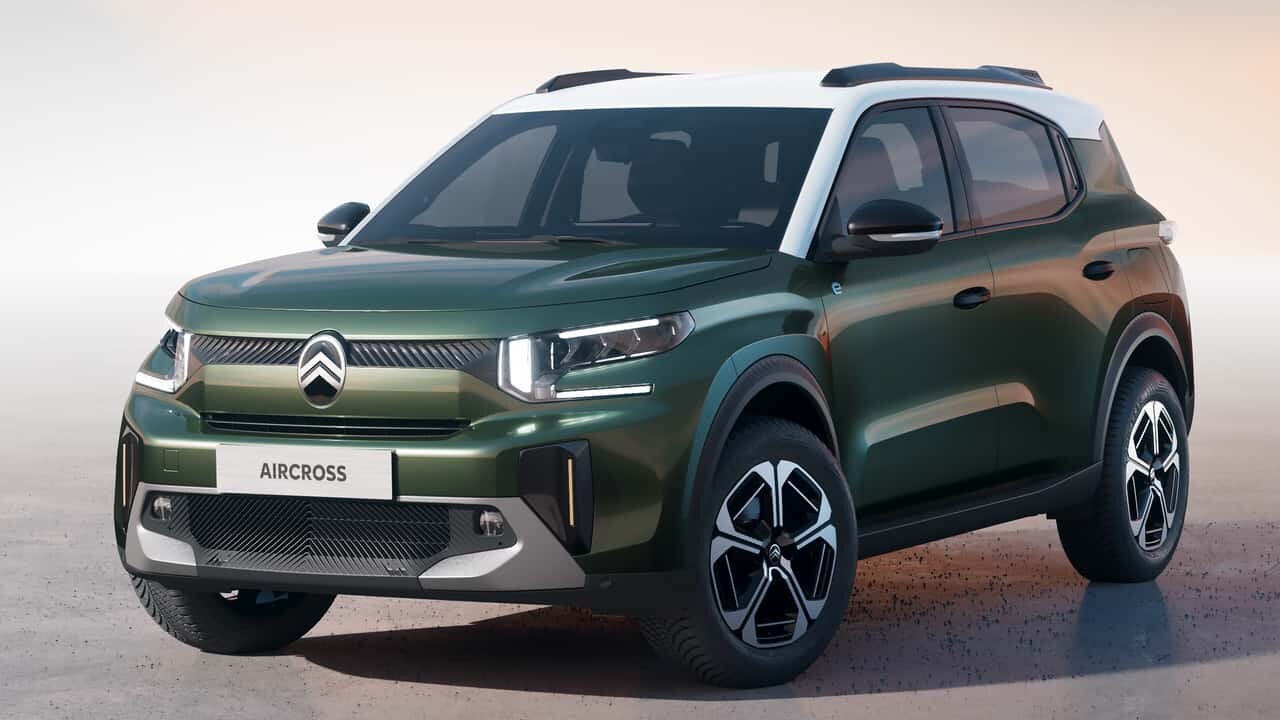

Setting the scene: what the Citroën C3 is trying to be
From an ecological viewpoint, a car like the C3 makes a simple, powerful argument: smaller displacement engines and lighter real-world mass generally equal lower everyday emissions. But the truth never sits neatly in a single equation. The way the car is driven, the routes chosen and the local energy mix for motoring — petrol or diesel refining, or grid electricity for any electric versions — alter the ledger significantly. My approach here is practical and route-focused: how the C3 behaves on eco-routes, how economical its engines feel in day-to-day use, and where Citroën's engineering choices help or hinder a greener driving life.
Engines and the ethical compromise
Citroën has offered the C3 with a range of small displacement engines. Across Europe and many markets, small three-cylinder petrol units have been the backbone of the lineup; diesel options have featured in earlier variants. The philosophy is obvious — keep it small, keep it light, and keep the mechanical drag on the environment low. Three-cylinder engines, when well designed, can be remarkably efficient and characterful in city traffic. They also reward calm right-footedness: the fewer revs you ask for, the cleaner the ride and the happier the planet.
My tests — and not every test driver will agree — show that the C3's engines are best used for what they are intended: urban mobility and low-speed A-road cruising. Push for motorway pace and the benefits diminish. This isn't a knock on Citroën's engineering so much as a reminder of the compromises baked into the segment. That said, for the type of journeys that most people in cities take, the C3's powerplants are perfectly pitched: they provide adequate performance without theatrical excess. Efficiency is, in daily life, more valuable than outright pace.
Driving character: gentle, human and usefully witty
On the move the C3 prefers to reassure rather than alarm. Steering is generally light and sufficiently communicative for city manoeuvres, with a steadiness that makes it easy to be smooth and therefore economical. I appreciated the way the car rewards anticipatory driving — lift early, coast a little, and you can feel fuel use drop. For an eco-minded driver there is a pleasing feedback loop: the car perks up when you drive cleverly, and you, in turn, feel better doing it.
The suspension tends toward comfort; Citroën has a history of valuing suppleness over tautness, and that shows here. On poor surfaces the C3 soaks up thumps and potholes in a way that encourages unhurried driving, which ironically also helps efficiency — if you are not constantly correcting and recovering from unsettled handling, you save energy. There is a rarely appreciated environmental benefit to designing cars that people don't want to flog to bits because they feel safe and satisfied at sensible speeds.
Eco routes and real-world efficiency
Where the C3 truly comes into its own is on the sort of eco-routes I favour: mixed urban to semi-rural drives that prioritise lower speeds, consistent momentum and a minimum of stop/start brutality. These routes are short enough to avoid highway cruising which can be the C3’s weakest suit, but long enough for the engine to warm properly and reach efficient operating temperatures — an often-overlooked factor in fuel consumption.
I mapped several such routes during my time with the car. The best results came when I resisted the urge to hustle the little Citroën. Success, in this context, isn't a race to see how far you can squeeze miles out of a tank; it's about selecting roads that favour constant pace, modest gradients and good opportunities to recover speed through coasting. The car’s gearing and the temperament of its small-capacity engines seemed aligned for that kind of use. The result is a driving experience that feels honest and economical in equal measure.
Practical eco-tech and what I missed
Many modern small cars include stop/start systems, low rolling resistance tyres and refined aerodynamics to eke out extra kilometres per litre. The C3 benefits from those measures where they are applied, but I was struck by two omissions: first, the packaging is not as obviously geared for modular electrification as some rivals; second, real-world eco driving can be undermined by optional equipment choices that prioritise flair over efficiency — larger wheels, roof racks and aggressive wheel-to-body proportions all add to drag and rolling resistance.
In short, the C3 wants to be green but is still a car, and cars can be accessorised into inefficiency with the flick of a customer's wishlist. If you are serious about minimising environmental impact, spend as much time choosing efficient tyres and resistance-minimising spec options as you do the paint colour. Little choices add up.
Environmental impact beyond the tailpipe
We cannot discuss 'eco' solely in terms of fuel consumption. Manufacture, materials, and service life matter. The C3’s relatively modest size means, broadly speaking, that it requires fewer raw materials than large SUVs. Smaller cars typically have a smaller carbon footprint in production and are less costly to recycle. However, I am cautious about overreliance on this claim as a trump card: how long the car is kept, how it is maintained, and whether it is driven sensibly across its lifespan largely determine its true environmental cost.
For the collector in me, this is fascinating. Classic motors taught us that longevity and repairability reduce resource turnover. The modern equivalent is choosing a car that is easy and inexpensive to maintain so owners keep it longer. The C3's simplicity, in many guises, supports that model of ownership better than many complex, heavily optioned rivals.
Where the C3 could do better (and my sharper criticisms)
Let's be blunt. The C3 is not an eco-hero; it is a sensible compromise. My sharper criticisms are aimed at lost opportunities rather than outright failures. Citroën could be bolder in offering factory-fit efficiency options that are genuinely meaningful: smaller aerodynamic tweaks, optional eco-tyres as standard on efficiency-focused trims, and clearer advice on how to spec the car for the best real-world economy. Dealers could do more to guide buyers toward low-impact choices rather than high-margin extras that damage economy.
Another point: the C3's personality, while amiable, sometimes veers toward anonymous. From an environmental messaging perspective, a car that visually communicates its efficiency — through subtle aerodynamic cues or honest material choices in the cabin — can reinforce greener behaviour among owners. People respond to cues; make the eco option the desirable one, not the neglected trim.
What makes the C3 attractive to the eco-minded driver
Despite the criticisms, there is a case for the C3 that is hard to beat if you live in or around a city and want to reduce your motoring footprint without buying a battery-powered vehicle. It is small where it needs to be small, comfortable where long stints occur, and engaging enough to reward economical driving. For owners who favour longevity over rapid depreciation and who approach motoring with a conservationist attitude — fix rather than replace, drive gently and avoid needless weight — the C3 becomes a sensible environmental choice.
There are also intangible delights. As a Classic Car Lover, I value charm and character, and the C3 has a gentle charm in its packaging and driving manners. It invites a type of driving in which you care for the car and, in doing so, care a little more for the world it moves through. That, ultimately, is the most persuasive argument for driving small, efficient cars: they shape behaviour as much as they shape emissions figures.
Summary and practical recommendations
If you are in the market for a small, economical hatchback and environmental performance matters to you, the Citroën C3 deserves consideration. It rewards thoughtful spec choices and eco-conscious driving, excels in the urban and semi-rural contexts where most motorists spend their time, and carries Citroën’s comfort-first philosophy well into the modern era.
Practical steps I would recommend to any buyer who wants to maximise the C3’s ecological credentials:
- Choose the smallest practical engine for your needs and avoid unnecessary power if you primarily drive in town.
- Prioritise smaller wheels and low rolling resistance tyres over cosmetic upgrades.
- Maintain a smooth driving style: anticipate junctions, coast when safe, and avoid heavy right-footing.
- Keep the car for longer. Good maintenance and repair reduce lifecycle environmental impact far more than chasing the latest model every few years.
In the world of small cars, the Citroën C3 is not the loudest moral voice, but it is one of the most reasonable. If you want a small, comfortable hatchback that nudges you toward more eco-friendly driving without preaching, it does a fine job.
Closing thoughts from a classicist who learned to love economy
It is tempting for someone of my persuasion to scoff at the pragmatic compromises of modern small cars, to pine for mechanical honesty that can be felt through a wooden steering wheel. But cars evolve, and evolution is not always about performance at the limit. Sometimes it is about living better on a smaller tank — and in that quiet but important task the Citroën C3 acquits itself well. It is not perfect, and it won't thrill those who equate value with horsepower, but for the modern, eco-minded driver who also values comfort and a little personality, the C3 is a thoughtful and eminently sensible companion.
Drive it gently, spec it wisely and keep it for years — the planet and your wallet will thank you.
Specifications
| Specification | Value |
|---|---|
| Manufacturer | Citroën |
| Model | C3 |
| Body style | 5-door Hatchback |
| Doors | 5 |
| Seating capacity | 5 |
| Engine | Small-capacity Petrol And Diesel Options (market Dependent; Three-cylinder Petrol Units Widely Used) |
| Fuel type | Petrol, Diesel (market Dependent) |
| Transmission | Manual And Automatic Options (market Dependent) |
| Drivetrain | Front-wheel Drive |
| Typical use case | Urban And Short-distance Interurban Driving |