
Tarmac to Trailhead: Living with a BMW 5 Series (2022) — A Road-Trip Tester’s Journal
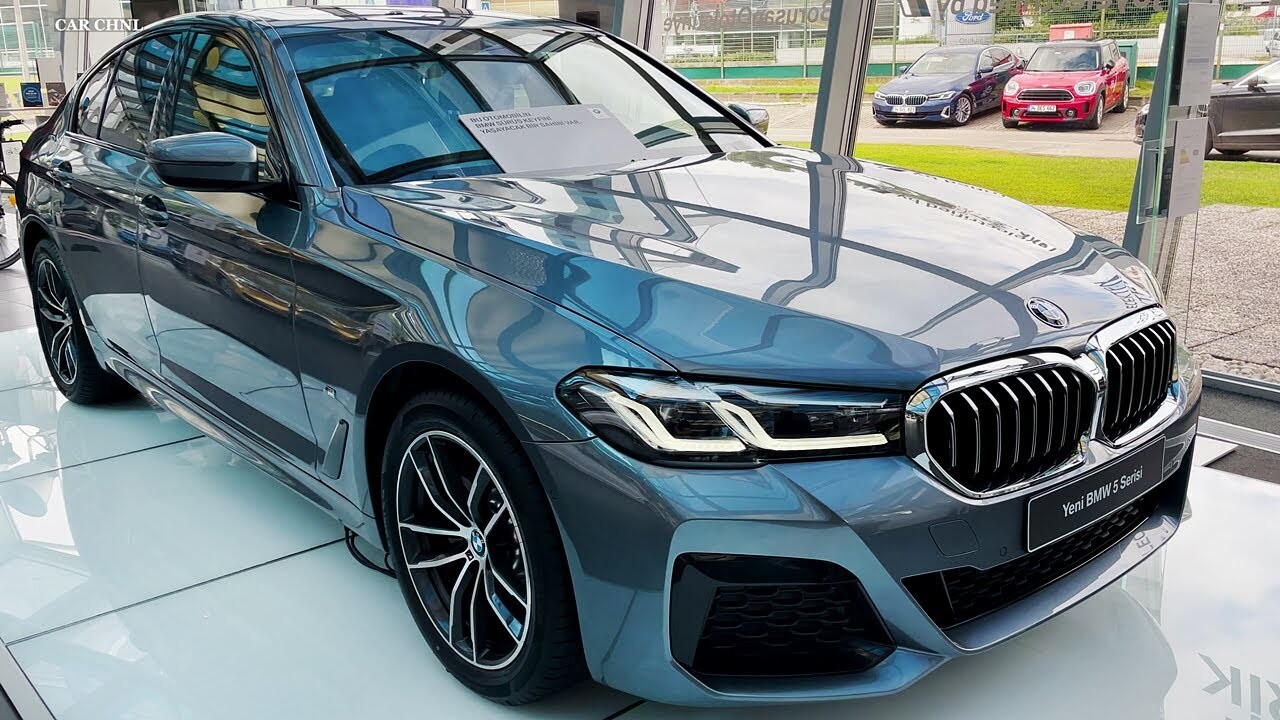

From the moment I took the keys, the 5 Series felt like a car designed for long hauls. The seating is supportive in a way that matters when you’re doing consecutive days of driving: the bolsters hold you in place, lumbar support keeps fatigue down, and the materials — whether leather or the available alternative upholstery — age well under constant use. On a coastal run that stretched for several hundred kilometres, the cabin remained comfortable for driver and passenger alike, and the seats preserved their comfort level day after day. That kind of comfort is more than a luxury; it’s practical. When you’re on the road for long stretches, soreness becomes a complaint that limits exploration, and the 5 Series minimizes that complaint.
Highway behaviour is one of the 5 Series’ strongest suits. It cruises with a sense of composure that turns long-distance driving from a chore into a rhythm. Wind and road noise are subdued at highway speeds, which makes navigation instructions, a podcast or simply the conversation in the cabin easy to follow. The steering is precise and communicative enough to make twisty secondary roads enjoyable without feeling overly stiff for everyday city crawling. I drove a mix of motorways and B-roads during autumn and appreciated how the car balanced isolation with driver feedback — it never felt numb, but it never shouted at you either.
That said, let me be clear about limitations. When you’re accustomed to SUVs with higher ground clearance, the 5 Series is a reminder that not every road is for every car. I took it down several forest access tracks and hard-packed gravel lanes to reach viewpoints and trailheads. With careful speed and a wary eye for ruts, stone edges and hidden potholes, the 5 got me where I needed to go. But it is a sedan: low-slung compared to an SUV, and the underbody is not designed for impacts. If your trips involve rough fire trails, deep ruts, or offset stones, bring a vehicle with taller ride height. For light gravel and farm tracks, however, the 5 Series performed admirably — the adaptive chassis (when fitted) smooths the ride and the suspension keeps the body predictable, which helps when you’re trying to maintain pace on loose surfaces.
One practical area that matters to travelers is luggage and gear space. The boot is generous for a sedan and swallowed weekend bags, duffels, and photographic gear with room to spare. Loading heavy coolers or a pair of hiking backpacks requires a little bending, but for most trips you’ll get all your kit aboard without creative Tetris. Rear-seat practicality is solid too: adults are comfortable for medium-length trips, and the rear door apertures and seat layout make it fairly easy to secure child seats or shift between cargo and passenger modes. I found the cabin storage sensible and thoughtfully arranged — places to drop phones, sunglasses and a thermos without losing them between drives.
Reliability and day-to-day ownership are foremost for me when a vehicle is my travel partner. Over the months I had the 5 Series, the car proved itself robust in everyday use. There were no dramatic gremlins or electrical tantrums. Electronics behaved as expected, and driver aids felt mature — helpful when you’re tired after a long leg and need a little support. Any high-end car with a dense electronics suite can be finicky if neglected, so routine servicing and attention to tyre pressures, brake wear and fluid levels should be part of any travel-focused owner’s checklist. I treated the car with a basic regimen: regular visual checks before trips, tyre rotations and scheduled servicing through a dealer network, and it returned steady performance. For anyone planning heavy travel use, having a known service partner and a plan for mobile servicing in remote areas will pay dividends.
Fuel economy and running costs naturally depend on how you drive and the powertrain you choose. On mixed trips that combined relaxed cruising with occasional spirited sections to clear traffic or stay on schedule, my daily consumption varied but felt reasonable for a car of this size and sophistication. Using cruise control on long motorway stretches and being mindful of pace in the city helped keep numbers down. Expect the same practical trade-offs as any premium sedan: comfortable, efficient when treated gently, and thirstier when you remind it how brisk it’s capable of being.
Winter performance is a key travel concern, and the 5 Series handles seasonal challenges well when equipped appropriately. Models fitted with all-wheel drive and winter tyres inspired confidence on salted roads and snowy inclines during short winter trips I made. Electronic traction aids do a lot of heavy lifting, but there’s no substitute for good rubber. If you live where winters are harsh and you plan mountain trips, fit winter tyres and consider an all-wheel-drive variant; that combination transformed the car’s behaviour on ice and deep slush. Remember, the sedan form factor still means the car won’t float over deep snow like an SUV with higher clearance, but in everyday winter conditions and ascents to alpine lodges it remained a dependable partner.
Infotainment and connectivity deserve a mention because a car that’s used for long trips is also a mobile office and entertainment centre. The system responds cleanly to inputs and keeps maps, music and calls accessible without too much distraction. There’s a learning curve to the menus — modern cars tend to have them — but once you’ve customised the layout and saved favourite destinations, the system becomes second nature. I appreciated the built-in navigation during cross-country legs and the clarity of voice prompts when I needed to focus on the road. Physical knobs for climate and volume are an underrated convenience on long drives, and their presence kept minimal finger fumbling while driving.
On the subject of comfort features, climate control is competent and rapid enough to reach a comfortable cabin temperature on a chilly morning before setting off. Seating ventilation and heating are valuable on long days when cabin comfort matters as much as luggage space or fuel range. The interior lighting and quality materials also make the car feel like a place you can happily spend an entire day, whether you’re heading to a remote trailhead or driving between cities for a work-and-play trip.
Practical considerations for travel-minded buyers: first, choose tyres and brakes to match your intended use. If you plan to drive in poor winter conditions or on slippery surfaces, winter tyres and a file of tyre-fitting services along your likely routes are sensible. Second, think about protection: a simple undertray protector or a modest approach-angle awareness will help avoid scrapes when pulling onto beach access points or rough campsite roads. Third, regular maintenance through a trusted dealer or independent specialist keeps the big electronics and mechanicals behaving — and when you’re relying on a car for travel, surprises are expensive in time and stress.
What about daily driving and city use? The 5 Series shrinks perceptually in urban settings thanks to reasonable dimensions and good visibility for a prestige sedan. Park sensors, camera options and driver aids make city parking manageable, though some will miss the elevated viewpoint of an SUV when negotiating tight urban streets. The steering is light at low speeds, which helps in tight manoeuvres, and the ride remains forgiving over potholes when you pick the right suspension settings. For someone who splits time between city life and open roads, the 5 strikes a comfortable middle ground.
From the perspective of long-term durability and finish, the interior materials have stood up to travel abuse — boots, backpacks and weathered kit — better than I expected. Scuffs on door sills and minor marks on trim have been superficial and cleanable. Of course, any high-end interior needs care; a weekly wipe-down and attention to spills preserved the cabin without drama. Exterior paint has been resilient to stone chips on the odd gravel road, though repeated or severe impacts will, naturally, show. For owners who travel off the beaten path frequently, a paint protection film on leading edges is a sensible preventative measure.
Finally, who is this car for, in my travel-minded view? If your adventures require real off-road capability, deep snow forays, or hauling heavy outdoor equipment across rutted trails, you’ll want a higher-riding vehicle. But if your travel life consists of long highway runs, coastal and mountain passes, light gravel approaches to trailheads and comfortable, reliable transport for weekends away, the BMW 5 Series (2022) is an excellent road-going travel companion. It combines comfort, composure, and a level of refinement that makes the miles slip by, while remaining practical enough to handle real-life usage and travel chores.
In conclusion, the 5 Series is not an expedition rig, but it is a sophisticated touring car that will support ambitious road trips and regular travel without fuss. It rewards thoughtful maintenance, the right tyres for the season, and a respectful approach when the road turns from smooth to rough. For those of us who measure a vehicle by how many places it gets us to with comfort and confidence, the 5 Series earns its place in the garage as a dependable, refined partner — one that prefers the tarmac but will cheerfully take you to the trailhead and wait while you explore.
As an off-road adventurer who spends more time chasing forest tracks and mountain passes than motorway commute times, I approached the BMW 5 Series (2022) with a sceptical eye for ruggedness — and came away impressed with its roadcraft but clear-eyed about its limits. On long cross-country runs and high‑speed A‑road blasts it proved exactly what BMW advertises: quiet, composed, supremely comfortable seats, and predictive chassis control that soaks up miles without grinding the soul out of you. I routinely used it to reach trailheads and park-and-ride points for hikes, and on hard-packed gravel and forest approach tracks the 5 Series will get you where you need to go if you drive it with respect. Low ride height, a sensitive underbody and street-focused tyres, however, mean this is a touring saloon first and an expedition vehicle never. I appreciated the sensible cabin layout and physical controls that kept focus on the road during long days of driving. The infotainment and driver aids felt mature and reliable in use; electronics were an asset rather than a distraction. For winter travel, all‑wheel drive examples with proper winter rubber made confident mileage possible, but deep snow and washed-out fire roads remain the realm of raised, rugged SUVs. Practically speaking: fit the right tyres for the trip, consider simple underbody protection if you regularly take rough approaches, keep a trusted service partner on speed dial and you’ll have a refined, dependable touring car that will carry your kit and crew further and faster than most rivals. Bottom line — I’d choose the 5 Series as my road-trip companion when the route is mainly sealed or lightly graded gravel. If the adventure involves serious off-road work, obstacle negotiation or high ground clearance demands, take an SUV. The BMW 5 Series is a superb long-distance, on-road adventurer — not a trail conqueror.
Specifications
| Specification | Value |
|---|---|
| Model year | 2022 |
| Body style | Executive Saloon (5-seat) |
| Seating capacity | 5 |
| Drivetrain | Rear-wheel Drive Or XDrive All-wheel Drive (varies By Variant) |
| Transmission | 8-speed Automatic |
| Fuel types | Petrol, Diesel, Plug-in Hybrid (depending On Variant) |
| Ground clearance | Standard Saloon Ride Height — Not Designed For Serious Off-road Use |
| Typical use case | Long-distance Touring, A-road And Motorway Travel, Light Gravel Approach Tracks |