
Mercedes‑Benz EQV Price & Specs: An Eco Adventure in a Luxury People‑Carrier
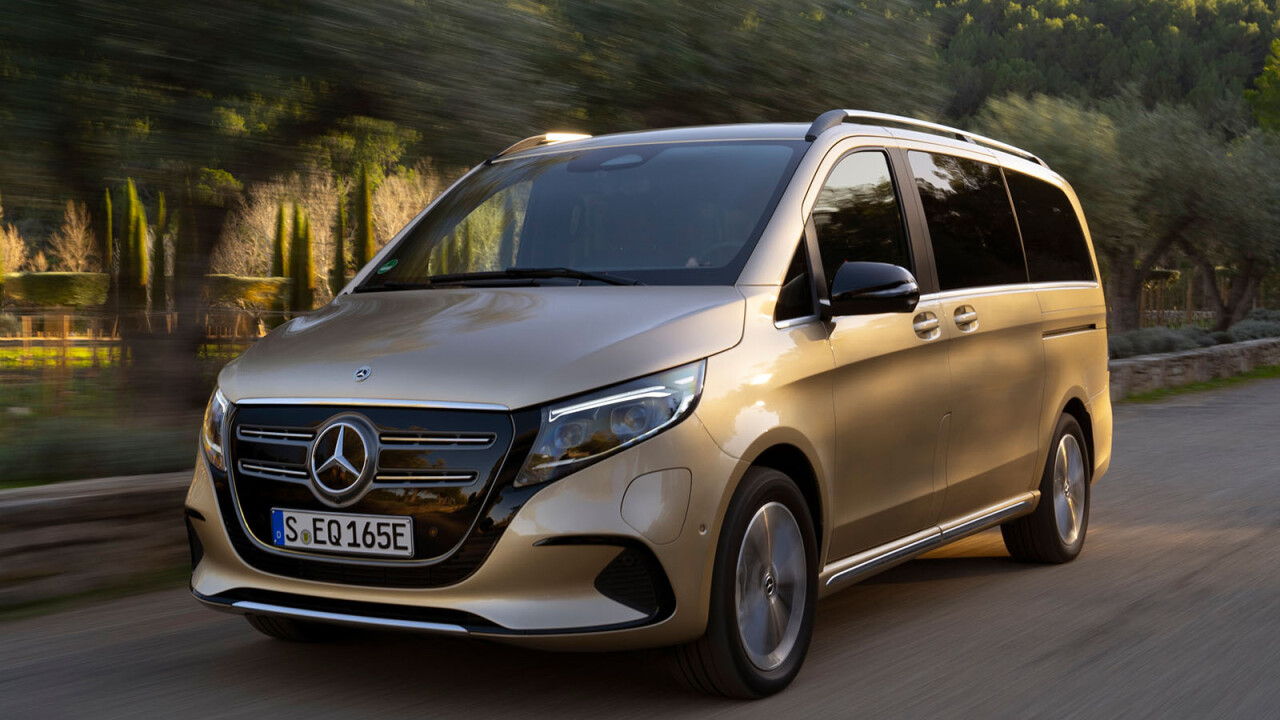

From the moment you close the door you notice what EV fans talk about in hushed, reverent tones: silence. It’s not just quiet; it’s the kind of silence that allows you to hear a conversation from the back seats without raising your voice, or to appreciate the sound of nothing at all — a rare luxury next to the incessant hum of traffic. For a classic car lover used to the baritone burble of an old straight‑six, it takes a minute to appreciate. Once you do, it’s oddly meditative.
Being environmentally conscious isn’t just about zero tailpipe emissions — though the EQV checks that box elegantly — it’s about the whole experience of travel. The EQV’s electric drivetrain means smoother on‑throttle responses thanks to instant torque. Around town, that translates to effortless progress through roundabouts and traffic lights without the drama of gear changes or the chuffing of a combustion engine warming up. From an eco‑adventure perspective, that’s more efficient energy use and fewer opportunistic bursts of fuel consumption that hurt the planet — and your wallet — on longer trips.
Space is where the EQV wins hearts. It’s a people‑carrier in the truest sense: generous headroom, modular seating and the kind of luggage capacity that swallowed my weekend’s worth of camera gear, picnic hampers and, yes, a toolbox for those classic car emergencies. If you’re transporting a crate of engine parts to a rally or hauling a folding bicycle for an eco‑friendly day ride, you’ll be grateful for the accommodation. Mercedes’ interior trimmings keep things classy — soft materials, logical layout and enough luxury touches to remind you you’re not in a grocery shuttle.
One of the more underrated eco benefits of an electric MPV like the EQV is how it encourages different travel choices. Instead of stuffing a family into a compact hatch and running multiple cars, you can choose one roomy, electrified vehicle for the lot. That consolidates trips, reduces per‑person energy use, and makes planning for eco‑friendly routes easier. I found myself planning a single scenic descent along coastal lanes rather than two separate drives — the sort of behaviour change that actually makes a dent in emissions over a year.
Handling? Don’t expect a sports car, but do expect secure, composed manners. The EQV’s weight — inevitable in a large EV with a sizable battery — is masked by well‑tuned suspension. I tackled a mixture of country B‑roads and A‑class connector roads on my eco run and the body control remained impressive. The van has a calm lateral composure and predictable responses. For someone who appreciates the raw feedback of a classic car, it’s a different pleasure: certainty rather than poetry.
Charging is where the rubber meets the regulatory road. An eco adventure is only as good as the planning that goes into charging stops. The EQV’s practicality is apparent here: it’s not a scrawny city EV that needs constant sipping; it’s built to swallow distance and leisure — albeit with the occasional scheduled charging pause. I found the rhythm of charging suited the social parts of the journey: lunches, coffee stops and a stroll along a nature trail became charging windows. That can feel delightfully unhurried, almost Victorian in pace, which I admit appeals to the part of me that likes long drives and long conversations.
Regenerative braking is my favourite modern marvel for eco‑riding. It’s not as romantic as a mechanical governor or a manual choke, but it is efficient. The EQV’s regen is intuitive and useful in mixed driving: slowing for a village or descending a gentle coastal hill means energy fed back to the battery instead of heat lost in brake discs. It rewards smooth driving — and, as a classic car aficionado who often tiptoes through twisties to avoid churning up old roads, I appreciated that it didn’t feel intrusive but instead enhanced range in a very practical way.
Now, let’s talk energy and footprints without pretending EVs are a panacea. The EQV’s lack of tailpipe emissions is a real advantage in urban and suburban areas where air quality matters. But the vehicle’s overall environmental impact depends on how the electricity is generated and how the battery is produced and recycled. As a journalist I won’t indulge in greenwashing: an electric EQV driven on electricity from a coal plant isn’t the ecological saint one imagines. However, driven on renewable energy, its emissions over the usage cycle drop dramatically compared to diesel alternatives — and that’s the scenario I recommend you plan for on your eco‑adventures: charge using renewables at home when possible, and choose charging providers with clear sustainability credentials when out and about.
Practical eco tips from my test runs: driven gently, and on eco mode, the EQV is an efficiency‑minded companion. Use scheduled charging to fill overnight from green tariffs; pick mid‑day charging at stations powered by solar where available; and plan your route to include gentle, consistent speeds which are kinder to range than stop‑start urban lumps. Also, use the EQV’s climate preconditioning while it’s still plugged in — heating or cooling the cabin from the grid reduces onboard battery drain during the journey and keeps the driving range for the road where it counts.
On comfort the EQV scores highly. If you’re ferrying passengers to a classic car club meet or taking relatives to a seaside fête, they’ll be relaxed and impressed. The seats are supportive, there’s plenty of legroom and the cabin materials avoid the plastic clinic sometimes found in family vans. I would describe it as a rolling lounge — in the tasteful, Germanic sense, not the shagpile rug kind.
What about price? Prices vary by market, trim and tax incentives that change faster than my garage’s oil stains. Rather than throw out numbers that will be obsolete by next season, I’ll say this: the EQV sits at the premium end of the people‑carrier market. You pay for Mercedes levels of finish and technology, and the cost of electrification. The upside is that, in many jurisdictions, electric ownership advantages (reduced road tax, congestion exemptions, lower running costs) soften the sting over the ownership period.
If there’s a gripe, it’s banal but real: the sheer size and weight mean you sometimes feel the law of physics. Overtaking on narrow lanes requires planning, and spirited cornering is firmly off the menu. For me, that’s acceptable — I’ll happily trade a hairpin tango for a day of comfortable, low‑emission travel with a picnic and a crate of vinyl records in the boot. For buyers wanting a nimble mover, look elsewhere. For those who value space, comfort and environmental credentials, the EQV is a compelling choice.
As a classic car lover, I’ll close with a confession: I still adore the smell of warm metal and the music of a carburetted engine. But I can also appreciate the poetry of progress. The EQV offers an eco‑minded way to enjoy the open road without apologising for emissions at the end of a day. It’s practical for families, useful for clubs that need to transport people or gear, and intelligent enough to make you feel like you’re doing the right thing by the countryside you love to drive through. If you ask me whether I’d take an EQV over a diesel van to a weekend rally, I’ll answer: yes — and I’ll enjoy the silence on the way back.
In short: the Mercedes‑Benz EQV is not a revolution in the sentiment of driving, but it is an evolution in how we approach travel. It keeps the comforts we cherish, reduces the breath we leave behind on the world and makes eco‑routes more pleasurable. There’s humour in seeing a line of classic cars escorted by a silent, dignified electric van — a scene I didn’t expect to fall in love with, but did. If you’re planning eco‑friendly travels and you value space, quiet and a dash of Mercedes luxury, the EQV is worth a serious look, a sensible test drive and, for those who care, a place on your garage schedule between the big‑valve Alfa and whatever else you sleepily polish on Sunday mornings.
Specifications
| Specification | Value |
|---|---|
| Model | Mercedes-Benz EQV |
| Vehicle type | All-electric MPV/van |
| Drivetrain | Electric, Front-wheel Drive |
| Battery capacity | 90 KWh |
| Electric motor power | 150 KW |
| Electric motor power hp | 201 Hp |
| Seating | Up To 7 |
| Introduced | 2020 |
| Price | Varies By Market And Specification (check Local Mercedes-Benz Dealer For Current Pricing) |