
Mercedes-Benz SL: From Gullwings to a Modern Speed Demon — A Historian's Hot-Lap

Preface: Why the SL Matters to Me
A Short History: Origins and Evolution
The SL badge began life as more than a name; it was a claim. Sport Leicht — "Sport Light" — signalled an ambition shared with Mercedes' racing department. The earliest SLs were direct extensions of motorsport thinking: light construction, advanced engineering for the day, and a focus on speed that didn't ignore refinement. Even if the technologies and body styles changed over the decades, that central DNA persisted.
The early, iconic SLs are rightly venerated for their daring design and race-bred pedigree. The gullwing doors of the earliest production SL are an automotive shorthand for mid-century audacity, while later generations refined safety, luxury and usability without abandoning sporting capability. Across the years the SL evolved through different philosophies — from pure sporting two-seaters to more luxurious GT roadsters and back again — but the name always carried a promise of spirited performance.
Design Language: Beauty That Hides Bite
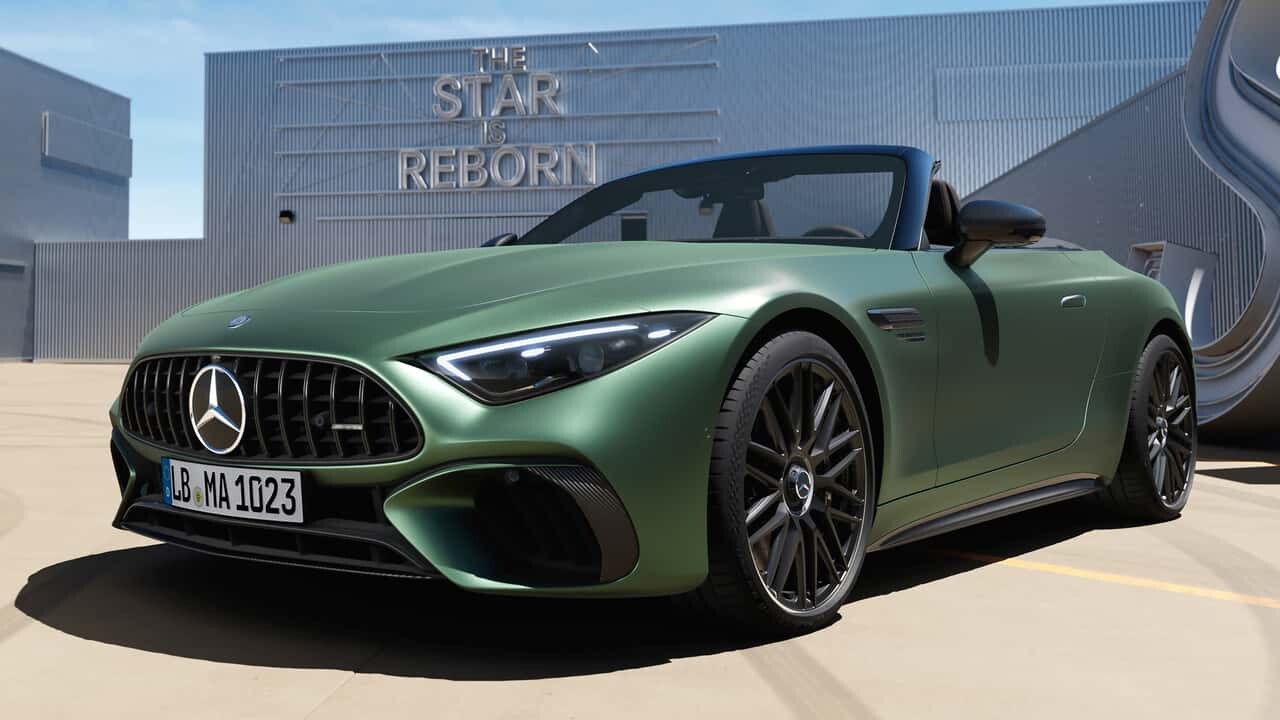
One of the enduring appeals of the SL is the way form and function converse. Early models were sculpted by coachbuilders; later ones by aerodynamicists and industrial designers. What I appreciate is how visual grace often masks mechanical aggression. Whether it's the pronounced haunches that hint at a rear axle ready to snap the car sideways, or the long bonnet that conceals a heavyweight engine, the SL's design has always telegraphed capability while keeping an unmistakable composure.
The Collectable Heart: Why Early SLs Sing to Enthusiasts
Ask any collector why the early SLs command such reverence and the answers are familiar: uniqueness of design, motorsport heritage and scarcity. These early cars are mechanical statement pieces — articulations of a period when engineering bravado met artisanal craft. For me, the most potent aspect is the tactile connection: steel, leather, simple gauges and a driving position that demands involvement. They are not comfortable in the modern sense; they are honest.
From Coast Road Grace to Circuit Appetite
Yet owning an SL is not simply about displaying it at concours; the badge asks to be driven. That’s where my Speed Demon instincts take over. On a coastal road, the SL's long-hood proportions and planted stance inspire confidence and allow you to cruise with a grin. On a circuit, the calculus changes: you trade some grand touring softness for concentrated athleticism, and the car answers with a different kind of thrill.
Track Day: The Secret We Review Cars Circuit
The We Review Cars track is compact, technical and unkind to half-hearted drivers. It exposes suspension compromises, steering vagueness and torque steer with a surgeon's precision. I took an SL onto that circuit with a mental checklist: I wanted to discover how the car balanced its grand touring comfort with the demands of repeated high-load corners.
From the first lap, certain truths were clear. The SL's chassis architecture is generous and adaptive; modern iterations employ sophisticated electronic systems to flatten out inconsistencies in grip and temperament. But I was particularly struck — as a fan of older machinery — by how the car still retains a mechanical dialogue. There's weight in the steering that tells you what the front tyres are doing. The brakes are firm and fade-resistant in the short burst of track work I demanded, and the suspension, while more compliant than a pure sports car, accepts aggressive inputs without collapsing into wallowy uncertainty.
Mid-corner, the car offers a composed balance. It doesn't overcommit to dramatics; instead it invites you to modulate the throttle and use lift-and-catch techniques to rotate the rear. That characteristic sits perfectly between an old-school rear-drive coupe and a modern computer-assisted weapon: it rewards skill without humiliating error. In the hands of a competent driver, the SL feels willing to go quicker than you might expect from a luxury-branded roadster.
Electronics: Friend or Foe on the Fast Laps?
Modern SLs are heavy with electronics — systems designed to keep you safe while letting you lean into performance. On circuit, those systems can be both blessing and limitation. Traction control and stability aids allow you to extract near-limit speeds on corner exit without pinballing off the barriers. In the same breath, they can temper throttle response and mask small driver inputs that experienced enthusiasts might prefer to feel directly.
My preference is a well-calibrated car where electronics can be dialed back, not a sterile platform that removes the messy bits of driving. The SL, as I experienced it, offers that compromise: you can encourage it to be playful, and when mistakes happen the electronic net is patient but decisive. That approach makes the SL a persuasive choice for spirited track days where you want speed without risking the fragile dignity of a concours showpiece.
Transmission and Throttle: The Conversation Between Driver and Engine
Whether you prefer an automatic that shifts with surgical efficiency or a manual experience that connects you to the car's soul, the SL's driveline options through its history cover both poles. On the track, a quick-reacting gearbox is essential; modern automatic gearboxes in the SL family are impressively fast and often match the car's sporting intentions well. Throttle mapping is generally linear and predictable, which is precisely what you want when balancing corner exits and seeking the fastest lap time.
Comfort vs. Capability
What I love about the SL is its refusal to be pigeonholed. It can be the perfect companion for a long, languid drive with classical music murmuring through the cabin, or it can be a surprisingly quick weapon for an afternoon of focused lapping. The suspension and interior tuning always recall that the car is expected to do both. On our track day, I appreciated how easily the SL transitions between those states: it is civilized enough to be comfortable on a lengthy back-road cruise the day before, yet composed and communicative enough to be pushed hard the next morning.
Collectability and Modern Appeal
From where I sit, collectability is not merely about price appreciation; it's about the narratives a car carries. Early SLs are distilled mythology — competition cars brought to the road, flamboyant and mechanically ingenious. Later models, while more numerous and technologically complex, present a different sort of collectability: they are modern classics that marry adaptive technology and driver engagement, and they will likely be appreciated in future decades for their engineering and the way they exemplify the late-internal-combustion era.
Practicalities and Ownership Thoughts
Owning an SL is to accept a lifestyle. It's about maintaining a balance between preserving an automotive heirloom and using it for pleasure. Service tends to be specialist work for older cars and carefully scheduled dealer maintenance for modern ones. I find that owners who drive their SLs regularly, rather than letting them sit, tend to get the most satisfaction; these cars were meant to be used, to breathe on the open road, and — occasionally — to be hustled on a track.
Verdict: The SL as a Speed Demon and a Classic
On the secret track the SL showed me both its gentler and fiercer sides. It is not a stripped-out race car, nor should it be. It is a performance-laced grand tourer that retains enough mechanical engagement to be rewarding and enough electronic sophistication to be capable and safe. For a classic-car aficionado who still wants adrenaline, the SL is a singular proposition: historically rich, beautifully designed, and surprisingly quick when the road — or the track — demands it.
Final Thoughts
As I washed the grime from the tyres and rolled the SL back into its shelter, I felt the same mix of affection and respect that I do when I leave the garage after an evening with a cherished classic. The SL is a car that spans eras. It remembers its racing past yet comfortably inhabits the modern world. For collectors, it offers a spectrum of choices: early, emotive examples with coachbuilt appeal; later, technologically impressive roadsters that marry luxury and performance. For drivers — particularly those who like to treat the countryside as a testing ground — the SL is one of the few cars that asks you to be both a connoisseur and a competitor.
Specifications
| Specification | Value |
|---|---|
| Manufacturer | Mercedes-Benz |
| Model | SL (series) |
| Class | Grand Tourer / Roadster |
| Body style | Two-door Roadster |
| Layout | Front-engine, Rear-wheel-drive |
| Name meaning | SL Stands For Sport Leicht (Sport Light) |
| Notable features | Early Models Include Gullwing Doors; Later Generations Introduced Retractable Hardtops And Advanced Electronic Driving Aids |
| Origin | Germany |