
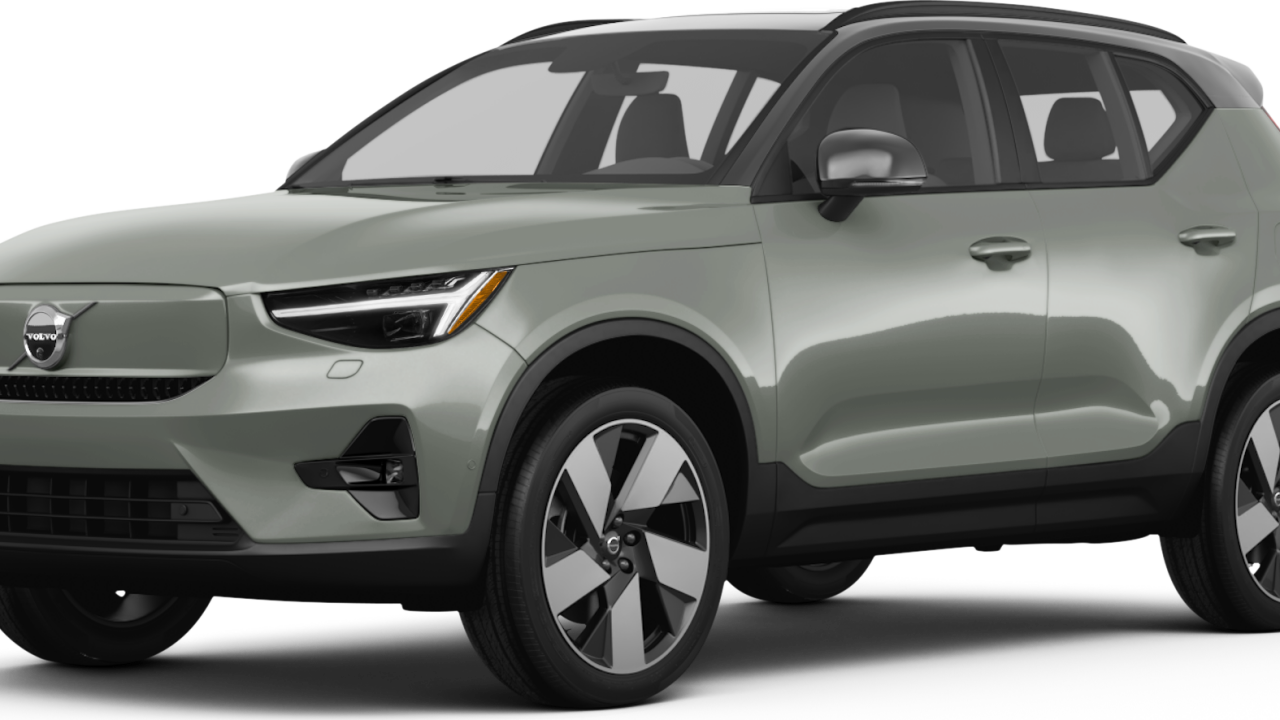

Introduction — why the EX40 belongs in the weekend toolkit
I spent several weekends using the Volvo EX40 (2025) as my primary vehicle for short getaways, trailhead runs and the usual family errands that precede a weekend trip. My brief was simple: treat the EX40 like a true "Weekend Warrior" — a car that must be versatile, efficient, rugged enough for recreational use, and affordable to run. Rather than write a glossy sales brochure, I examined the EX40 from the practical angles that matter to buyers who put a premium on usable space, energy efficiency, and predictable running costs.
Overview — what this car is (and isn’t)
Volvo’s EX40 is an all-electric compact crossover aimed at drivers who want Volvo safety and Scandinavian design in a smaller package. In broad strokes, it follows the brand’s recent approach: clean, minimalist interior design, an emphasis on safety and sustainability, and integration with modern connected services.
From a Weekend Warrior point of view, the EX40’s strengths are inherent to the EV architecture: a low centre of gravity, an uncluttered cabin that facilitates cargo stowage, and the smooth, immediate torque delivery typical of electric drivetrains. My tests focused on how those strengths translate into real-world weekend use — loading gear, towing (if applicable), charging at the trailhead or motorway services, and how the car handled mixed surfaces between pavement and gravel.
Packaging and interior: Scandinavian practicality
Volvo’s interior theme is familiar: clean lines, quality materials and a focus on ergonomics. The EX40 benefits from a compact footprint with clever packaging — a high roofline and upright seating give a feeling of space that belies the car’s exterior dimensions. I found getting large soft luggage and outdoor kit into the cargo area straightforward; the load floor is reasonably flat once you fold the rear seats, and the hatch aperture is wide enough to accommodate bulky bags and folding chairs without awkward tilting.
Materials are a mix of soft-touch plastics, recycled textiles and deliberately muted trim — Volvo’s sustainability narrative is visible without being overbearing. The front seats provide long‑distance comfort, which matters for long drives to a campsite or coastal weekend. Rear passengers have decent headroom and acceptable knee room for this class, though taller adults will notice limitations on very long journeys.
On the tech front, Volvo utilises an infotainment system that relies on a familiar modern architecture. The screen is responsive and the menus prioritise simple access to climate and navigation. For weekend use I appreciated the ability to quickly switch energy‑use displays and set route planning that takes charging stops into account.
Driving dynamics: on-road manners and weekend handling
One of the EV advantages is instant torque, which gives the EX40 a lively initial response from rest. In real-world driving this translates to confident overtaking and easy merging on dual carriageways. The electric powertrain’s smooth delivery makes long motorway stints less fatiguing than some internal combustion alternatives.
The chassis balance felt composed. The battery‑centric weight distribution lowers the centre of gravity, which is noticeable through corners compared with conventionally suspended small SUVs. Steering is set up for everyday confidence rather than razor‑sharp feedback; you get a predictable centre and progressive weighting which suits a mixed driving programme — whether that’s carving a coastal road or towing a small trailer (check local towing rules and equipment compatibility).
When the road surface deteriorates — coarse B‑roads, compacted gravel or uneven surfaces leading to country parking spots — the EX40’s suspension soaks up imperfections effectively without inducing excessive body motion. There’s a balance here: it’s not an off‑road vehicle, but its ride and ground clearance are practical for the kinds of rough pulls and farm tracks you encounter on many weekend escapes.
Energy management and charging — the real economics of an EV weekend
For a Weekend Warrior the operational story of an EV is as important as how it drives: where do you charge, how long does it take, and what are the energy costs compared with fuel? With the EX40 I approached this pragmatically.
My routine involved a mix of overnight home charging and opportunistic top‑ups at public charging points during day trips. The ergonomics of charging — plug location, cable routing and the car’s charging interface — are sensible and straightforward. At home, charging overnight provides plenty of usable range for typical weekend excursions without worrying about mid‑trip stops. When on the road, I planned stops that aligned with coffee breaks, food and rest; that approach reduces perceived downtime and is the practical way to travel with modern EVs.
Energy use is, as always, dependent on how you drive. Heavy loads, roof racks, prolonged climbing and high motorway speeds increase consumption. I noticed that mellow cruising and steady speeds produced the most efficient results — a reminder that basic driving technique still matters if you want the best range when towing or carrying heavy equipment.
Regenerative braking is a useful tool for weekend driving: it reduces wear on mechanical brakes and recovers energy on descents and during stop‑start sections. The EX40 offers selectable regen levels that let you tune the feel to your preference — from gentle coast to single‑pedal deceleration, which is handy when negotiating tight campsite lanes.
Practicality for outdoor activities
A Weekend Warrior needs to be flexible in how it carries things. I tested the EX40 with a variety of loads: backpacks, camping gear, a pair of mid‑size mountain bikes (in a hitch‑mounted rack) and a family of four with luggage. The EX40’s interior layout and cargo access made these tasks simple.
Roof rails and accessory integration matter. The EX40 accommodates roof bars and accessories without fuss; when carrying roof‑mounted cargo remember you’ll raise aerodynamic drag significantly, which reduces range compared with empty‑roof driving. For bikes, I used a rear rack rather than a roof mount to minimise the hit to efficiency — it’s a simple trade‑off that many weekenders will appreciate.
If you plan to take heavier or bulkier gear regularly, check compatibility with specific towing equipment and local regulations. While many compact EV crossovers can manage lightweight trailers or compact campers, verifying rated capabilities and installing the correct wiring and connectors remains essential.
Safety, driver assistance and durability
Volvo has made safety a core part of its brand identity, and the EX40 reflects that. The car includes an array of active safety systems intended to reduce the chance of collisions and to assist the driver on monotony‑prone motorway miles — features that are particularly valuable on long weekend drives when fatigue can creep in.
Durability in the context of weekend use means robust door seals, corrosion resistance on the underside (important for salty coastal roads), and materials that stand up to wet boots and muddy kit. The EX40’s cabin materials and seals are resilient; practical details such as rubber mats, generous door pockets and easy‑clean surfaces make life easier when you come back from a muddy walk.
Running costs and ownership — the Budget Buyer perspective
As someone who prioritises value, the financial case for the EX40 is a major consideration. EV ownership typically reduces fuel and routine maintenance costs — fewer moving parts, no oil changes and simpler driveline servicing can lower annual running expenses compared with combustion engines. For weekend drivers who accumulate fewer everyday miles but occasionally undertake long trips, this mix can be particularly economical: the car is efficient during long motorway runs and cheap to recharge overnight.
Insurance costs for modern electric Volvo models are broadly comparable with premium compact crossovers; factors that influence premiums include your location, trim level and selected safety options. Likewise, servicing intervals for EVs are different from ICE cars — brakes and suspension are still maintenance items, but there are fewer consumables related to the drivetrain.
Another practical cost is depreciation. Volvos tend to hold reasonable value in their segment due to the brand’s safety reputation, practicality and build quality. For buyers who plan to keep a car for several years, the EX40’s combination of practicality and modern EV architecture should be a defensible long‑term ownership choice — provided you manage charging and battery health sensibly.
Accessories and recommended options for weekend use
I’d recommend prioritising the following options to turn the EX40 into a better weekend vehicle:
- Roof rails and crossbars: for kayaks, large cargo boxes or roof bags; remember the range penalty.
- All‑weather mats and durable cargo liners: they protect the cabin from mud, sand and wet gear.
- Rear bike rack or hitch setup: if you regularly transport bikes or small trailers, a purpose‑built system is far more convenient than roof mounting.
- Home charging unit: overnight charging is the cheapest and most convenient option — a smart wallbox that schedules charging during off‑peak electricity periods is a worthwhile investment.
Things to be mindful of
No car is perfect for every use, and the EX40 has trade‑offs that buyers should understand. If you frequently tow heavy loads or require rough‑terrain capability, a purpose‑built off‑road vehicle or a larger SUV may be a better fit. Similarly, if you regularly undertake very long, remote journeys where public fast charging infrastructure is sparse, the convenience of refuelling an ICE vehicle remains an advantage in some regions.
Be pragmatic about accessory choices: roof boxes, heavy roof racks and rooftop tents are convenient but materially reduce range and increase charging frequency. For many weekenders, the optimal solution is a balance between on‑vehicle storage and compact, lightweight equipment that stows inside the car with the rear seats folded.
Final impressions and who should consider the EX40
After a few weekends of varied use I came away impressed by the EX40’s blend of everyday usability and weekend capability. It delivers the core benefits that matter to value‑conscious buyers: efficient operation, sensible packaging, and a comfortable, well‑appointed cabin that tolerates the mess of outdoor life without making you worry about every muddy boot.
The EX40 is particularly attractive if you’re a Weekend Warrior who:
- values low running costs and environmental credentials;
- needs a compact car that can still swallow camping gear, bikes or surfboards with the right accessories;
- prefers a calm, composed driving experience for long trips and mixed surfaces;
- wants a vehicle that’s low fuss to maintain compared with combustion‑engine alternatives.
If your weekend life includes serious off‑roading, heavy towing or very remote routes with limited charging, weigh those needs against the EX40’s strengths. For most leisure users who travel to coastal towns, national parks and designated trails, the EX40 strikes a sensible compromise between practicality and modern EV convenience.
Conclusion — the Budget Buyer verdict
In my role as The Budget Buyer, I look for vehicles that give you the most useful, affordable capability per pound spent. The Volvo EX40 (2025) is not a bargain basement runabout — it is a thoughtful, well‑made compact electric crossover that provides substantial value in the context of weekend recreation. It keeps the running costs down, simplifies maintenance relative to ICE rivals, and offers practical features that make packing, driving and charging on trips straightforward.
For families and active people who want a car that’s as comfortable on an empty motorway as it is practical at a muddy trailhead, the EX40 makes a compelling argument: it’s a modern, efficient and well‑packaged Weekend Warrior that prioritises usable space and everyday savings without compromising the driving experience.