
Grown-Up Glamour: Living with the 2022 BMW 4 Series — A Classic Car Lover’s User Review

Introduction — Why I Spent Time With a Modern BMW
I confess: I am a classic car lover first and foremost. My heartbeat is still stirred by simple dashboards, mechanical gauges and the way an old inline-six sings without any electronic help. That said, I do not live in a time capsule. Cars like the 2022 BMW 4 Series intrigue me because they stand at an awkward, interesting intersection — carrying not just the BMW roundel but also decades of a brand's sporting aspirations into a very digital era.
Over several weeks I used a 2022 4 Series as a daily driver: commuting, ferrying family, grabbing groceries and, when the roads allowed, pressing the limits on a more engaging B-road. This review reflects real-world experience — practical day-to-day usability, ownership realities and a bit of nostalgic lament for what we might be losing as modern cars grow ever more complex.
Design & Styling — The Good, the Bold and the Controversial
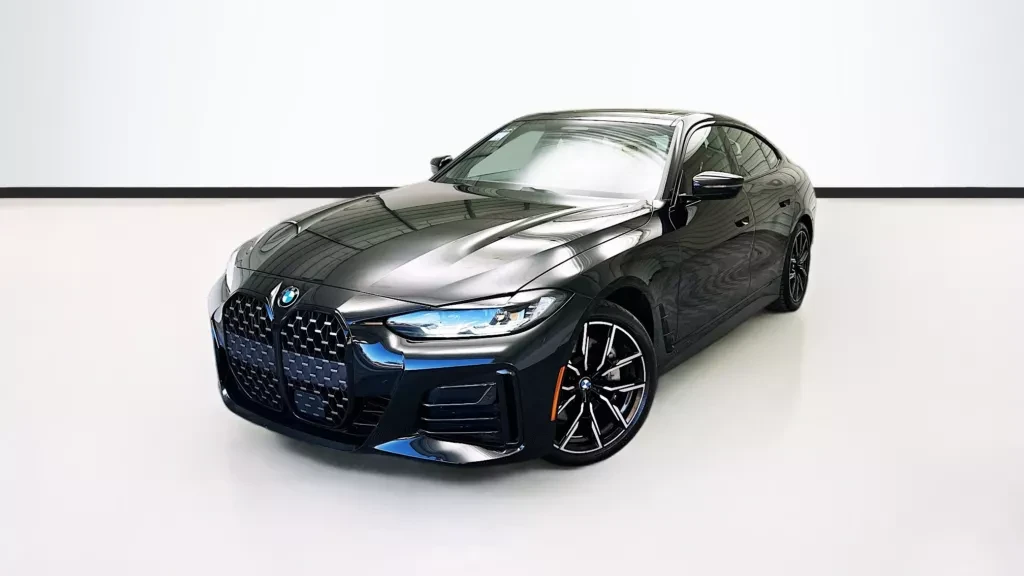
The 4 Series is a car that demands an opinion. Its proportions are unmistakably BMW: a long bonnet, a compact cabin and a stance that hints at rear-drive balance. As a lover of classic lines, I appreciated that silhouette — the way the greenhouse tapers, the muscular shoulders and the low-slung profile that reads as purposeful even at rest.
But styling in the 2020s is rarely subtle, and the 4 Series carries visual elements that divide opinion. Purists will argue that some of the design choices are too theatrical; others will applaud a brand that dares to be different. From the vantage of someone who cherishes classic symmetry, I found the car's face and lighting signatures to be bold — sometimes provocatively so — while the rear remains classically attractive. In short: it is a modern object of desire that will be loved and loathed in equal measure.
Real-World Driving Experience — What It Feels Like Behind the Wheel
Here is where the 4 Series largely succeeds. Put simply, BMW still knows how to make a car feel like it wants to be driven. Steering is purposeful and generally communicative, the chassis is taut, and the car rewards committed input with composure. Even in everyday driving — traffic lights, roundabouts, motorway cruising — the 4 Series feels like a grown-up sports coupe rather than a mere commuter car dressed up in sporty clothes.
That said, modernity has layered dynamics with electronics. Stability systems are active and quite protective, which is excellent for safety but can mute the last whisper of rawness that classic drivers covet. If you are looking for analog steel-and-cable sensations, you will miss them. If you want a car that is forgiving, usable in bad weather and still engaging on a spirited road, the 4 Series is an excellent compromise.
Practicality & Daily Use — Coupe, Convertible, or Gran Coupe?
BMW sells the 4 Series in multiple body styles, and that matters practically. I’ll describe general impressions without leaning on precise trunk volumes or measurements.
- Coupe — The purest expression. It looks the part and is enjoyable to drive, but rear-seat space and access are compromised compared with four-door alternatives. For two people with occasional rear passengers, it's fine. For regular family duty, it feels tight.
- Convertible — Lovely when the weather cooperates. The open-air experience is joyful, but the complexity of retracting roofs always costs some practicality: reduced luggage space, extra weight and additional points of maintenance down the road.
- Gran Coupe (fastback four-door) — If you need a sensible everyday companion, this is the most convincing. It blends the coupe profile with rear doors and better usability. From my time with one, it felt like a pragmatic choice for those who want style without sacrificing livability.
In daily chores the 4 Series performs capably. Visibility forward is good; parking in tight urban spots is aided by sensors and cameras. Rear visibility can be compromised by sloping roofs and thick C-pillars, and you will appreciate whatever parking technology the car has. Ride quality can be firm, especially on cars equipped with sport suspension packages. For mixed use — city and motorway — I found cars with adaptive suspension to offer the best balance.
Technology & Infotainment — Comfort Meets Complexity
Modern drivers expect connectivity, and BMW's infotainment is competent. The system includes touchscreen inputs, rotary control and voice functions. In everyday use it works well: navigation is clear, audio systems sound good and most people will quickly find convenience in the interface. That said, the trend toward larger digital displays and fewer physical buttons has consequences.
For drivers of classic cars who appreciate tactile knobs, the transition to predominantly touch-based control can feel a bit disconcerting. Quick adjustments while driving are sometimes less intuitive than on older cars with physical sliders and dials. In practice, you adapt — but I prefer when automakers retain some physical controls for frequently used functions.
Another practical point: modern software requires attention. I encountered instances where the system prompted for updates or where owner forums discussed minor glitches that needed dealer intervention or software patches. This is not unique to BMW, but it is a reality of owning a car of this vintage: it is as much a software platform as it is a mechanical device.
Reliability & Ownership Realities — What to Expect Over Time
This is where my tone grows pragmatic. BMWs have long-standing reputations for rewarding ownership — if you maintain them properly. My advice to anyone considering a 2022 model is straightforward: expect higher-than-average maintenance costs relative to mainstream cars, and plan for scheduled services with either a BMW dealer or a reputable independent specialist.
From conversations with owners and independent mechanics, common practical notes include:
- Modern engines and electrified systems are durable when serviced, but repairs can be more expensive than on simpler, older cars.
- Electronic systems and sensors add convenience but also increase the number of potential failure points — expect occasional software updates and, less commonly, hardware fixes.
- Choosing an extended warranty or certified pre-owned model with a good service history can be sensible if you are risk-averse.
Owners who maintain their cars and follow recommended servicing tend to enjoy many trouble-free miles. On the other hand, neglected examples — especially turbocharged engines left without proper oil and filter changes — can start to develop issues. This is not intended as alarmism, simply as a reminder: modern performance cars demand respect and routine care.
Real-World Cost of Ownership — A Few Practical Observations
Fuel, tyres and scheduled maintenance form the bulk of running costs. Tyre wear can be brisk on sporty wheel-and-tyre packages, and brakes on performance variants can be more expensive to replace due to larger components. Insurance costs will vary by region and chosen model, but bear in mind that performance trims usually carry higher premiums.
On the bright side, the 4 Series is generally efficient in everyday use if you drive with moderation. The car reward you with refinement on the motorway and competent consumption when not driven hard. Predictability is the feature modern drivers value most — it’s a car that behaves consistently, and that has real value in daily life.
Collectability & Long-Term Value — Will It Be a Future Classic?
Here my classic-car sensibilities come to the fore. Will the 2022 4 Series be a future collectible? That is complicated.
Some modern cars become classics not because they were perfect, but because they represented something distinctive — a daring design, the end of an era, or a particularly thrilling driving experience. The 4 Series, with its bold styling and strong performance roots, has the ingredients to be noticed by collectors in time. But there are countervailing forces: heavy electronic content, changing tastes and the sheer quantity of modern cars produced can dilute future scarcity.
If the 4 Series is to become collectible, it will likely be specific variants: limited-edition trims, pure-driver manual-transmission versions (if any), or M cars with special specifications. For the everyday 4 Series, long-term value will be driven by condition, maintenance history and whether it is a well-loved example that retains originality.
Who Should Buy a 2022 BMW 4 Series?
There are several buyer profiles for whom this car makes real sense:
- The enthusiast who wants a modern, engaging coupe for weekend driving and occasional touring.
- The style-conscious driver who values BMW’s coupe proportions but needs a daily-capable car.
- The small family or couple who want the Gran Coupe for better practicality without sacrificing the coupe aesthetic.
It is not the right choice for those who want the simplicity and mechanical transparency of a pre-electronics era car. If your dream is a something that can be understood without a laptop or dealer-level diagnostics, then preserve your budget for something older and purer. But if you want a modern driver's car that still has sporting intentions, the 4 Series is a compelling option.
My Verdict — A Modern Classic in the Making, with Reservations
I like the 2022 BMW 4 Series. I like its poise, its steering, and the way it still feels like it has a sporting soul despite the layers of modern technology. My journalistic heart, tuned to the charm of analog finesse, finds fault with the reduction of tactile controls and the complexity that comes with modern convenience. Yet my practical brain appreciates a car that is usable every day and still fun on a twisty road.
As a classic car lover I reserve ultimate praise for cars that age gracefully without an army of software engineers in the wings. The 4 Series may never evoke the same longing as a stripped-down classic, but it does present a modern kind of allure: a car that can be loved for its dynamics and lived with for its comforts. If you are prepared to accept the ownership realities — maintenance diligence, occasional software quirks and the cost of performance — then this is a rewarding automobile.
Practical Buying Tips — From Someone Who Values Longevity
- Inspect service history closely. A well-documented maintenance record is a sign of a cared-for car.
- If buying used, prioritize cars with dealer or reputable independent-service receipts.
- Consider the Gran Coupe for practicality or a coupe if you prefer pure style; the convertible is best if open-top motoring is a priority.
- Check for software updates and ask whether the car has had recent infotainment or ECU patches.
- Factor in maintenance costs and, if you are risk-averse, an extended warranty or certified pre-owned package.
Final Thoughts
The 2022 BMW 4 Series is a modern machine that still respects the brand's sporting heritage. It is not a classic in the traditional, tactile sense — not yet. But it has personality, performance intent and that unmistakable BMW silhouette that resonates with enthusiasts. For the buyer who wants modern comfort and driver engagement with a touch of style, it is an attractive proposition.
For me, owning a car is as much about emotional connection as it is about practicality. The 4 Series fostered that connection during my time with it. It made me look forward to the next drive, and that is, in the end, what matters most.
If you love classic cars but live in the present day, the 2022 BMW 4 Series offers a bridge between two worlds — just remember to keep a good mechanic on speed dial.
I’ll admit: I approached the 2022 BMW 4 Series with the suspicion of a classic‑car lover — fond of metal, mechanical clarity and tactile switches. After several weeks behind the wheel I came away with respect if not full conversion. BMW has kept the proportions and steering feel that still speak to the driving enthusiast: it turns in with purpose, rewards committed cornering and wears its sporting intent without being a prima donna on everyday roads. My gripe is broader than this one model — the industry’s rush to hide controls behind screens and to define cars as software platforms leaches some of the honest engagement I treasure in older machines. The 4 Series is unabashedly modern: clever, capable and rather good at being a usable sports coupe, Gran Coupe or drop‑top. But it is also more complex, costlier to own and less likely to deliver the pure, analogue experiences that make a future classic in my book. If you want a stylish, sharply handling modern BMW and accept the tradeoffs of electronics, higher running costs and uncertain collectability, the 4 Series is an excellent choice. If you buy a car to connect with with all your senses — switches, levers, direct mechanical feedback — then buy a classic instead, and keep the 4 Series on the shortlist for when practicality, speed and everyday usability matter most.
Specifications
| Specification | Value |
|---|---|
| Model | BMW 4 Series (G22) 2022 |
| Body styles | Coupe, Convertible, Gran Coupe |
| Engine type | Turbocharged Petrol And Diesel Inline‑4; Turbocharged Inline‑6 In Higher‑performance Variants |
| Fuel type | Petrol And Diesel (depending On Trim) |
| Drivetrain | Rear‑wheel Drive (xDrive All‑wheel Drive Available On Many Models) |
| Transmission | 8‑speed Automatic |
| Seating capacity | 4 |
| Infotainment | BMW IDrive With Touchscreen, Rotary Controller And Voice Control |
| Suspension | Adaptive Dampers Available On Many Trims |
| Safety features | Driver Assistance Systems Including Adaptive Cruise, Lane Assist And Parking Sensors/cameras (features Vary By Spec) |
| Model year | 2022 (UK Market) |