
Scandi Charge: An Eco Adventure in the Volvo C40 Recharge (2025)
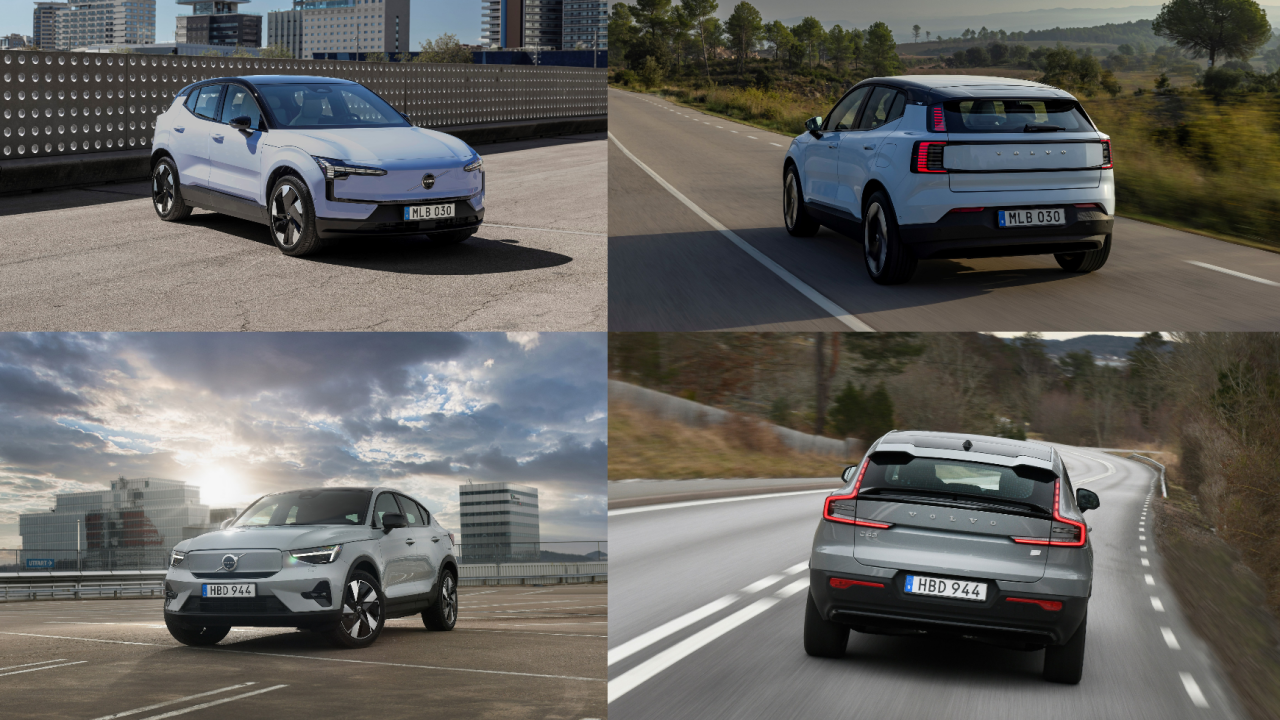

At the most basic level, the C40 Recharge's single, unavoidable virtue is its lack of tailpipe emissions. As a classic car lover who savours the symphonic imperfections of carburettors and iron blocks, I confess to a pang at the silence when you set off. Yet that silence has merits on an eco-minded outing: less urban noise pollution, a calmer cabin for wildlife-rich country lanes, and an immediacy to the throttle that makes economical driving an almost tactile pleasure. Electric propulsion delivers instant torque, and when you press the accelerator you feel the propulsion clean and decisive. It rewards a lighter touch — coaxing energy efficiency from careful inputs becomes part of the driving choreography rather than a dry lecture in numbers.
Driving the C40 on eco-conscious routes — coastal roads, river valleys and hill-scattered back lanes — reveals both the strengths and the compromises of modern electric crossovers. The battery pack lowers the centre of gravity, which helps the C40 feel more planted than its silhouette might suggest. On twisty, undulating tarmac the car clings confidently, the body control keeping roll in check without making the ride punitive. Steering, in keeping with current safety-focused calibrations, is precise but filtered; it gives you direction and composure more than tactile gossip from the road. Those who love older, lighter steering may miss the raw feedback of a vintage corner carver, but if you seek calm, certain progress through a bend the C40 is persuasive.
Regenerative braking is the other piece of the puzzle on eco routes. When you descend coastal cliffs or sweep through the rolling countryside, the car will happily feed energy back into the battery. Used judiciously, it turns hills from energy drains into opportunities. The C40's regen is effective; it lets you practice one-pedal driving if you wish, reducing brake wear and minimising energy loss. My only niggle — and it is a small one — is the occasional abruptness when the system transitions from regenerative to friction braking. It is a modern compromise: gains in efficiency sometimes arrive with a little theatricality in pedal feel. For anyone making long, scenic drives where efficiency matters, learning the car's regenerative personality quickly pays dividends in range and serenity.
Range anxiety is the perennial elephant in any EV discussion, and I tackle this more as a journey director than an engineer. On single-day eco jaunts under a planful driver, the C40 performs admirably simply because these routes often favour steady speeds and opportunities to recover energy downhill. For longer itineraries, you must treat charging as part of the route's rhythm — a chance for coffee, a walk, or a visit to a small coastal village. I appreciated how charging stops can become part of the adventure rather than an interruption; there is an almost romantic rhythm to arriving at a charging point, sharing the space with fellow travellers, and stepping out into fresh air while the car sips electrons.
Volvo's recent emphasis on sustainability in materials aligns well with this car's ethical pitch. The C40 offers interior choices that downplay leather in favour of textiles and more sustainable trims, and the cabin materials feel well considered rather than merely symbolic. For a classic car aficionado like me — someone who adores hand-stitched leather and the scent of old interiors — these materials are a different kind of patina: not the result of aged hide but of thoughtful design. They do not attempt to mimic the past; they are a promise that luxury can be reframed without the heavy moral ledger that once accompanied it.
Yet sustainability is more than vegan upholsteries and recycled plastics. It is also about the invisible beginnings and endings of a car's life: the sourcing of raw materials, battery production, and end-of-life recycling. The C40 sits inside a wider corporate story in which Volvo has signalled commitments to reduce life-cycle emissions and to consider battery end-of-life strategies. Those are worthy aims, and they temper some of the criticism often levelled at electrification's supply-chain impacts. From my perspective, as someone who values vehicles for their longevity, the question that lingers is durability: will these EVs be around and useful in 20, 30 years like the classics I covet? The industry must answer that not only with promises but with demonstrable second-life and recycling infrastructure.
On the road, the C40's composure and safety-first ethos are apparent. Volvo has long championed occupant protection and driver assistance, and the C40 continues that trend. Adaptive aids that stabilise the car and help manage speed feel like supportive companions on narrow country roads and busy coastal highways alike. There are moments when the systems can feel overzealous — a gentle nudge instead of a confident wink — but they generally play a useful role in making fuel-efficient driving more accessible to those who may not be hardcore eco-pilots. For me, there is a delicate balance: assistance that educates and augments is welcome; assistance that usurps the driver's judgement becomes a mild annoyance on days when I want to feel more connected to the machine.
Practicality is where the coupe-like silhouette shows its trade-offs. The sloping roof gives the C40 a more athletic, almost elegant profile compared with boxier crossovers, and I appreciate the nod to classic fastbacks in that rear taper. However, that silhouette reduces rear-headroom and the maximum cargo profile slightly compared to more upright family SUVs. On an eco adventure with bikes or camping gear, you will need to be a bit more thoughtful about packing. That said, the tailgate is sensible and the cabin layout is designed to be functional: thoughtful little cubbies, a raised driving position that aids visibility on winding roads, and an infotainment system that organises functionality cleanly so you can worry less about fiddling and more about driving.
Speaking of infotainment, Volvo's interface follows the contemporary trend of integrating core vehicle controls within a large central screen. It is smart and responsive, and it makes sense that the car should manage energy and route planning with a modern, connected interface. I admire the way it can map charging stops into a journey and offer energy-awareness features that encourage economy. My classic sensibility is mildly affronted by the absence of mechanical toggles for everything, but practicalities have a way of softening purism. The car’s connectivity feels like an ally on long drives, not a distraction — provided you resist the siren song of micro-adjustment and let the route and the road do their work.
Noise and NVH (noise, vibration, harshness) management is impressive: the cabin is hushed enough to make conversation easy at urban speeds, yet alive enough to always remind you that you are driving. Road noise creeps in on coarse surfaces, a not-uncommon trait among cars in this class, but it never becomes intrusive. The HVAC system is efficient and warms the cabin briskly when needed — a pragmatic advantage in cooler climates where energy expenditure for heating can dent range. On wintery eco drives, using the car's thermal settings judiciously is part of responsible EV ownership; it is worth planning stops where you can warm up without excessive reliance on cabin heating.
Maintenance-wise, the C40 offers the simpler life that electric propulsion promises: fewer moving parts under the bonnet, no timing belts to worry about, and less frequent fluid changes. This appeals to a collector's heart in a strange way — the idea that a car can be cherished for its clean, predictable service needs. However, there is complexity hidden in the battery system and electronics, and one must respect that specialist care will be required when those systems eventually demand attention. A classic car lives or dies by its long-term serviceability; for the new breed of electric vehicles to inherit the mantle of longevity they must ensure that specialist know-how and parts remain available decades hence.
Where the C40 truly impresses me on an eco adventure is how it reimagines the pleasures of driving rather than merely replacing them. Reaching a coastal headland at dusk, lowering the windows to let in a briny hush and watching gulls wheel while the digital display calmly calculates remaining range — there is elegance to that modern ritual. The car encourages a different kind of attentiveness: you learn to read gradients and calendar stops, you savour stretches where regen sings, and you plan for the long view. It is a contemplative motoring that suits certain classic sensibilities: the joy of a well-planned tour, the appreciation of good lines, the pleasure of a well-behaved chassis.
Still, I will not shy away from critique. The C40 is, undeniably, a well-mannered, environmentally conscious cruiser rather than an uncompromising driver's car. If your romantic ideal is a lightweight, razor-sharp classic with direct steering and a mechanical soundtrack that breathes and belches as you rev its heart out, this will not replace that love. What it can do, and does rather well, is invite a new kind of romance: one where efficiency, thoughtful materials and safe composure combine into journeys that feel responsible without being joyless. For those who want to thread eco-friendly routes with dignity and a hint of Scandinavian cool, the C40 Recharge offers a persuasive, slightly smug grin.
In the end, my admiration for the C40 is not just about efficiency metrics or a silent drivetrain. It is about intent and craftsmanship and a willingness to evolve. The car is a reminder that the language of good design can carry forward even as the vocabulary changes: torque replaces revs, recycled textiles replace hide, and route planning becomes as much a part of the adventure as the drive itself. As a classic car lover I am sentimental, but I am not reactionary. I can trace lineage in the C40's lines and temperament, and I can appreciate that some classics of the future may well be efficient, electric, and kinder to the world they move through. The Volvo C40 Recharge is not the end of petrol-laced romance; it is an invitation to a different kind of motoring — quieter, cleaner, and still capable of stirring the heart if you approach it with curiosity and a careful right foot.
I like the Volvo C40 Recharge for what it tries to be: a quietly competent, safety-first electric cruiser that nudges you toward slower, more deliberate journeys rather than lap times. Behind the wheel it rewards calm inputs — instant electric torque and a low centre of gravity give the composed, planted feel I respect in a well-set-up classic, but the mechanical poetry is different: muted, refined and a touch clinical. The coupe roofline is handsome and gives the car presence, yet it robs rear headroom and the cargo practicality that older, boxier Volvos wore so well. Regenerative braking is useful and mostly intuitive once you adapt, though the transition to friction brakes can feel abrupt on occasion. Interior materials and Volvo’s move away from traditional leather are a welcome, thoughtful nudge toward sustainability, even if I still find myself missing metal knobs and the honest tactility of analogue controls. Driver aids and safety systems are excellent at keeping things straight and steady; sometimes they tip from reassuring to overbearing, but I'd rather have a car that keeps me alive than one that flatters my ego. Put simply: the C40 Recharge is not a classic in the way a long-lived petrol Volvo is, but it is a credible, well-mannered step into a new driving language. If you love clear Scandinavian design, modern safety and the calming charm of silent progress, you’ll find much to admire. If you live for mechanical noise, tactile feedback and decades-long reparability, keep one foot in the past — I won’t judge you for it.
Specifications
| Specification | Value |
|---|---|
| Manufacturer | Volvo |
| Model | C40 Recharge |
| Year | 2025 |
| Powertrain | Battery-electric |
| Body style | Coupe-SUV / Fastback |
| Seating capacity | 5 |
| Doors | 5 |
| Regenerative braking | Yes |
| Interior materials focus | Reduced Leather And Increased Recycled Textiles |
| Infotainment | Central Touchscreen With Integrated Vehicle And Energy Management |
| Safety | Volvo Safety Systems And Advanced Driver Assistance |
| Charging | Fast-charging Capable (details Vary By Specification And Market) |