
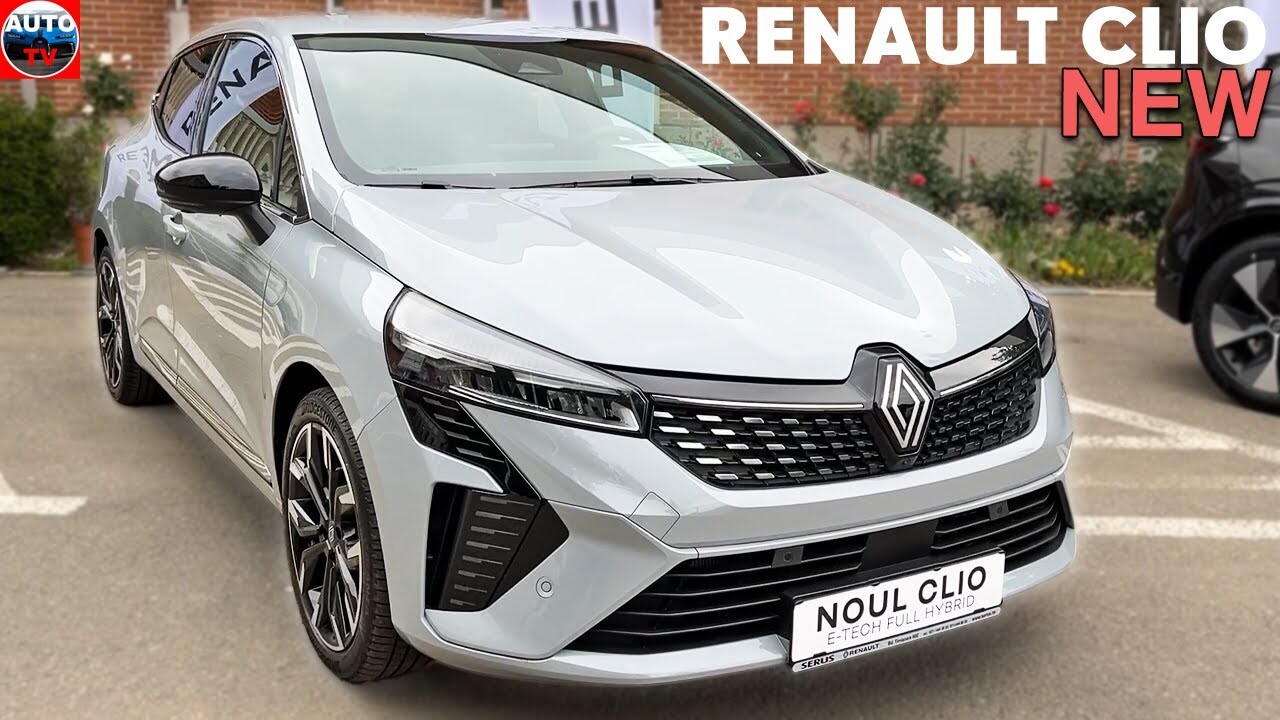

Setting Off — The First Impressions
Packing for a Weekend — Practicality in the Real World
One of the first budget-buy decisions is always: can it handle luggage for two? I loaded a pair of weekend bags, a cooler bag, a pair of walking boots and a tote with dirty trainers. The Clio's boot swallowed everything if I stacked sensibly and made use of vertical space; the removable parcel shelf was helpful for privacy and then popped out easily when I needed full access. Yes, a larger family would need something bigger, but for two adults and weekend kit, the Clio made sense.
Inside, storage is sensible rather than abundant. A couple of decent door bins, a glovebox and a central cubby kept everyday clutter in check. There’s no sense here of wasted space; Renault has prioritised usable compartments over gimmicky extras.
On the Road — Comfort and Economy
Driving the Clio on mixed roads highlighted where small cars shine. It’s light and agile through the narrower lanes that followed the coast: easy to place the nose at junctions and a pleasure to thread through parked cars in village centres. The suspension is tuned to favour comfort for everyday use — minor bumps and pockmarked surfaces were absorbed without a constant thump, though on very rough surfaces the Clio’s short wheelbase can make the ride feel a touch choppy compared with bigger cars.
As a budget buyer I pay attention to running costs: the Clio’s relatively small engines and compact shape are designed for economy. On my run the car felt economical in town and relaxed on the motorway; acceleration for overtaking was adequate for a car in this class, and it never felt strained when carrying two people and luggage. If you’re after outright shove, a hot-hatch or a larger-engined model is the ticket — but for everyday driving and long runs where economy matters, the Clio is a sensible choice.
Technology That Matters
One of the things that annoys me in budget cars is when manufacturers give you flashy screens that are slow or hard to use. In the Clio, many trims offer a central infotainment system with smartphone connectivity. In my car, smartphone mirroring worked reliably for navigation and music, and basic climate and media controls were easy to reach while driving. The steering wheel has the usual cruise controls and infotainment shortcuts, which make motorway miles less tiring.
It’s worth noting that some desirable features—upgraded digital clusters, larger screens and certain driver aids—are kept for higher trims. That’s standard for many cars, and the Clio’s basic package still delivers the essentials without adding unnecessary complexity or cost.
Parking, Visibility and City Life
One of the Clio’s strongest practical points is how effortlessly it works in urban environments. Compact dimensions, a good turning circle and clear sightlines make city parking less stressful. I squeezed into tight bays near the harbour and appreciated the optional parking sensors that beeped gently as I approached kerbs — a welcome feature for town dwellers who face narrow spaces every day.
Rear visibility is decent for the class, though like many modern cars with higher beltlines, it helps to rely on sensors or a reversing camera in tighter manoeuvres. For me, these are features worth the modest extra spend; they save time, bumpers and, occasionally, temper.
Handling — Nimble, Not Athletic
On the twisty coastal stretch the Clio stayed composed. The steering is light and communicative at low speeds, making lane changes and quick direction shifts easy. If you push hard, you’ll feel the limits sooner than in a sports car — but that’s not the point of the Clio. For daily driving, it’s predictable and confidence-inspiring, which is more important for most buyers than a blistering lap time.
Transmission choices matter. Manual gearboxes feel precise and are ideal if you want to wring the most from a small petrol engine. Automatic or dual-clutch options smooth out stop-start traffic and are worth considering if you mainly drive in urban conditions. Either way, the Clio’s gearing and engine choices are designed for usable performance and decent economy rather than outright thrills.
Cost of Ownership — The Budget Buyer’s View
This is where the Clio should convince most of my readers. Small engines, sensible servicing intervals and generally affordable parts keep running costs down compared with larger or more complex cars. Insurance, tyres and routine maintenance are typically cheaper than for larger family cars, and fuel bills are lower on account of modest fuel consumption in normal use.
Service networks for Renault are established in many markets, which helps when you need a scheduled check or a genuine part. Extended warranty options and service packages are available in a number of markets — worth checking at purchase if you want to smooth the cost profile over the first few years of ownership.
Practical Quirks and What I Noticed
- Cabin materials: mostly hard plastics in common-touch areas but generally well put together and durable for everyday use.
- Noise: motorway hum is present but not intrusive; wind and tyre noise are typical for a car of this size.
- Seats: supportive for daytime runs, though taller drivers may want to test long-distance comfort before committing to a long commute.
The Trip Home — Final Thoughts from the Road
On the way back I had time to reflect. The Clio handled the variety of roads with the kind of no-nonsense competence that matters when you’re buying on a budget. It kept fuel use reasonable, packed what I needed for a weekend, and was easy to live with in town and on the open road. It’s not the car for someone chasing sports-car pace or vast interior space, but for people who want low running costs, easy parking and a comfortable, modern small hatch, the Clio is hard to fault.
Who Should Buy a Renault Clio?
If you’re a city commuter who needs occasional longer journeys, a small family who wants affordable motoring, or a first-time buyer looking for sensible running costs and modern connectivity, the Clio makes sense. It’s also a great second car for households that need an economical, easy-to-park option but still want enough versatility for short trips and weekend escapes.
My Takeaway
As a budget buyer, I rate the Clio for what it sets out to do. It offers a pragmatic mix of economy, everyday comfort and useful tech without frivolous extras that just jack up price and complexity. On my weekend trip it proved a reliable, frugal companion — the kind of car you don’t have to think about too much, and that’s precisely the point for many people choosing their next small hatch.