
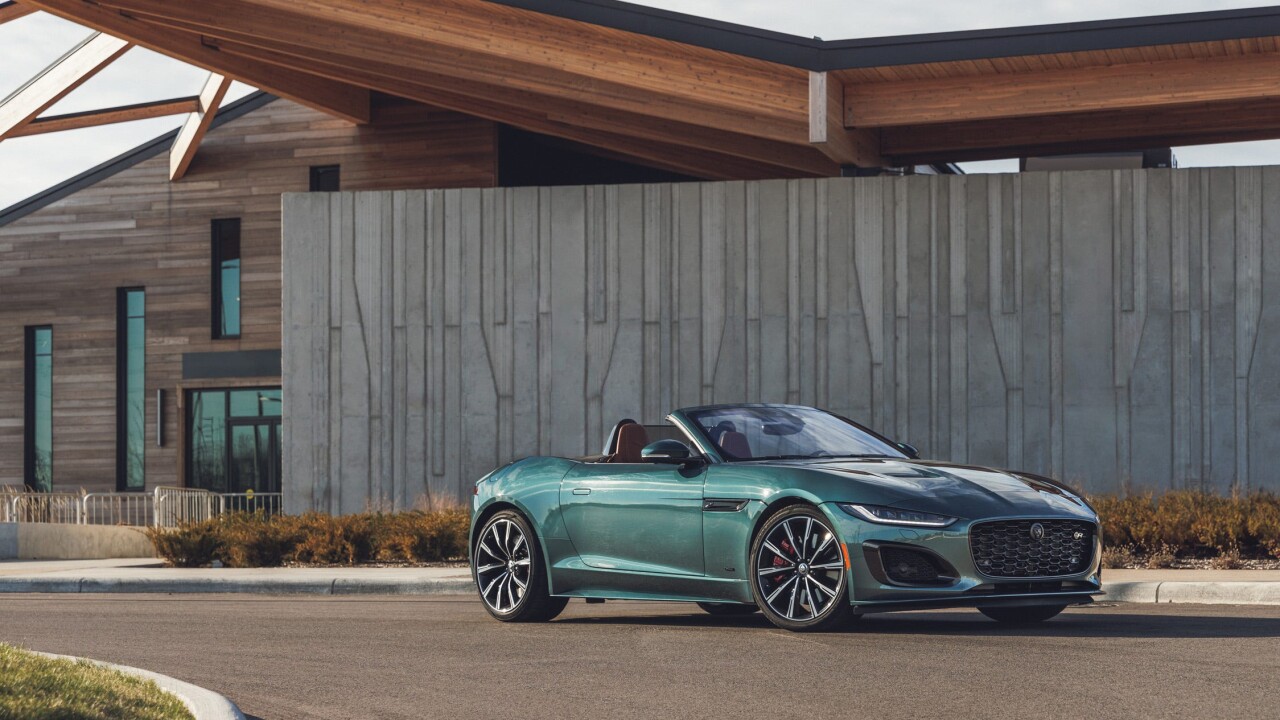

Why I picked the F‑TYPE for this test
There is something inevitable about parking a Jaguar on a busy urban street: heads turn. The F‑TYPE is a car that wears its heritage openly — a sculpted rear haunch, the long hood, and that subtle aggression that traces back to Jaguars of the past. As a classic car lover, I’m drawn to lines that say more than numbers, and the F‑TYPE does that in spades. The challenge was simple: can a two‑seat sports car, with a focus on driver enjoyment, be a practical and even pleasant tool for day‑to‑day city living?
First impressions: arrival and ingress
My first day began with a simple, often overlooked urban test: getting into the car on a rainy Tuesday morning. The F‑TYPE’s doors are long and low — very evocative of sporting tradition — and that creates a bit of theatre in a tight parking bay. Ingress and egress require a small ritual: a careful fold, a mindful duck of the head and shoulders. For those used to high‑riding crossovers and tall SUVs, this will feel intimate and, truthfully, a little inconvenient on a daily basis. But for someone who enjoys that connection to the machine, it’s part of the charm.
City traffic and stop‑start behaviour
Rush‑hour traffic is where many sports cars show their true colours. The F‑TYPE handled the stop‑start grind with a competence that surprised me. The steering is quick and communicative even at low speeds, which makes lane changes and negotiating clogged junctions less trying. Perhaps most important in traffic is how a car composes itself over repeated bumps and potholes. The F‑TYPE’s chassis settles quickly; body control is firm without becoming punishing. That firmness brings a constant sense of poise — a reminder that underneath the city soundtrack you’re still in a performance car.
Noise and refinement: The engine’s character is a big part of the experience. Even in low‑speed urban conditions, the note can be lively. At times you feel the car’s sporting intent — an aural reminder that this is not a commuting appliance. Wind and road noise are present but well managed, and window‑up cabin life is far from intrusive. For the classic car mind, this is good: you get engagement without the rough edges of older machinery.
Parking: tight garages and parallel bays
Parking is the crucible of urban practicality, and I met it with a mix of admiration and a little frustration. The F‑TYPE is narrow enough to squeeze into tight bays, and its relatively short overall length compared to grand tourers helps in multi‑storey car parks. That said, the ride height can be an issue at speed ramps and steep driveways — careful angle selection prevents scraping the lower valance. Low‑slung front splitters and sculpted sides look sensational but demand respect at kerbs and drive entrances.
I relied a lot on the parking aids. The rear camera and sensors are invaluable in narrow spaces where the rear glass offers limited visibility. The rear pillars and the high rear deck make rearward sightlines restricted; here modern driver aids feel less like a convenience and more like a necessity. Manual parking in parallel spots is possible for an experienced driver, but the F‑TYPE rarely makes it feel effortless compared to smaller hatchbacks.
Daily comfort: seats, ergonomics and visibility
The seats are supportive and beautifully finished — they cradle rather than overwhelm. For city driving, the ergonomics are well sorted: switchgear falls to hand, visibility forward is good, and the driving position is commanding in a sporting way. Where the F‑TYPE departs from commuter norms is rearward visibility and the non‑existence of rear seats. As someone who relishes solo motoring, this suited me. For those ferrying passengers, the single‑seater reality means planning ahead.
Practicality notes: The boot is modest but usable for a day bag, groceries or a weekend overnight bag. It isn’t the place for a weekly shopping haul or a child’s stroller, so urban life with this Jaguar requires acceptance of lifestyle trade‑offs.
Infotainment and connectivity
Modern commuting demands modern connectivity. The F‑TYPE’s infotainment system is clear and responsive; pairing my phone and setting up navigation was quick and free of fuss. While some rival systems feel overcomplicated, this one balances functionality and simplicity. In the city, accurate navigation and clear audio are worth their weight in gold — they keep stress levels lower and journeys more predictable.
Fueling the city commute
It’s worth being candid: sports cars are not designed to be frugal in dense, start‑stop traffic. During my urban week the F‑TYPE felt more at ease kept moving rather than idling in queues. If you live primarily in the town centre with frequent short hops, this car will demand more frequent fill‑ups and a little more attention to running costs than an economy‑focused hatchback. That said, for drivers who compress their city routine with longer, smoother commutes or who enjoy the occasional open road escape, the consumption trade‑off becomes easier to justify.
Driver aids and urban safety
In dense traffic, driver aids that reduce stress are invaluable. The F‑TYPE I drove was equipped with practical aids that help with close quarters driving — sensors and camera views that make reversing and tight manoeuvres far less nerve‑wracking. Adaptive systems that moderate full throttle or rapid approaches can be helpful in preventing costly mistakes on crowded streets. These features do not turn a sports car into a commuter van, but they do lend the car an approachable edge in city conditions.
Handling the city’s rough edges
One of the pleasures of the F‑TYPE is its steering: direct, alive and rewarding. In the city this translates to quick responses and an ability to thread through traffic when needed. Suspension tuning keeps the mid‑corner attitude well controlled, so there’s confidence when entering roundabouts and negotiating tight corners. However, the firm setup means you feel everything the road throws at you — not unpleasant but constantly reminding you that this is a performance machine. If your commute includes poorly surfaced lanes or frequent potholes, you’ll learn the exact whereabouts of every bump.
Weekend escape: from city streets to coastal roads
To truly test the F‑TYPE’s dual personality I left the city for a weekend drive along a coastal route. Here the car comes alive. The highways unfurl, speeds rise, and the steering, chassis and engine work as a cohesive whole. The contrast between urban creep and open road exuberance is the very reason many people accept the compromises of a sports car. The F‑TYPE balances these two worlds better than many; it is, after all, designed to deliver engagement. That said, don’t expect grand tourer levels of storage or rear‑seat practicality on longer trips — the F‑TYPE’s joys are driver‑centric.
Ownership tips for urban dwellers
- Plan parking: seek out deeper bays and avoid steep ramps when possible to protect bodywork.
- Neighbourly exhaust management: be mindful of the car’s sporty voice in residential areas early in the morning or late at night.
- Insurance and running costs: sports cars carry different insurance and servicing expectations — budget accordingly.
- Use the commute as a warm‑up: keeping the engine at a reasonable operating temperature before pushing it on open roads improves longevity and enjoyment.
The classic car enthusiast’s perspective
As someone who treasures classic Jaguars, I can’t help but view the F‑TYPE through that lens. It carries a lineage — a distilled sporting attitude married to elegant design. While older Jaguars demanded a certain tolerance for quirks, the modern F‑TYPE brings refinement without losing personality. In a city where much of the traffic is anonymous tin boxes, the F‑TYPE is a mobile piece of automotive theatre. That theatricality has costs and requirements, but it also returns daily joy in ways a blander commuter never can.
Who should consider the F‑TYPE as a city car?
If your urban life is compatible with a two‑seater sports car — you travel light, park thoughtfully and accept the occasional inconvenience for perennial style — the F‑TYPE can be a delightful daily companion. It suits someone who values design and driving engagement above maximum practicality. It’s not for families needing flexible passenger space or for those whose routine involves frequent bulky loads. But for singe drivers or couples who want a car that makes even the dullest commute feel like a small adventure, the F‑TYPE fits perfectly.
Final thoughts: will the F‑TYPE live happily in the city?
After a week of navigating concrete canyons, negotiating parking garages and escaping to open coastal lanes, my verdict is clear: the Jaguar F‑TYPE (2024) is capable of city life if you’re willing to embrace its character. It is not the most practical urban tool, but it is one of the most rewarding. Its combination of presence, steering feel and composure makes daily driving interesting rather than merely functional.
In short: expect charm, expect attention and expect to compromise on everyday utility. In return, you get a car that keeps the thrill of driving alive in the city. As a classic car aficionado, I appreciate that the F‑TYPE continues the tradition of making urban journeys feel like part of the adventure, not just a necessity.