
Eco Adventure: Taking the Audi Q3 (2024) Off the Beaten Track — With an Eye on the Planet
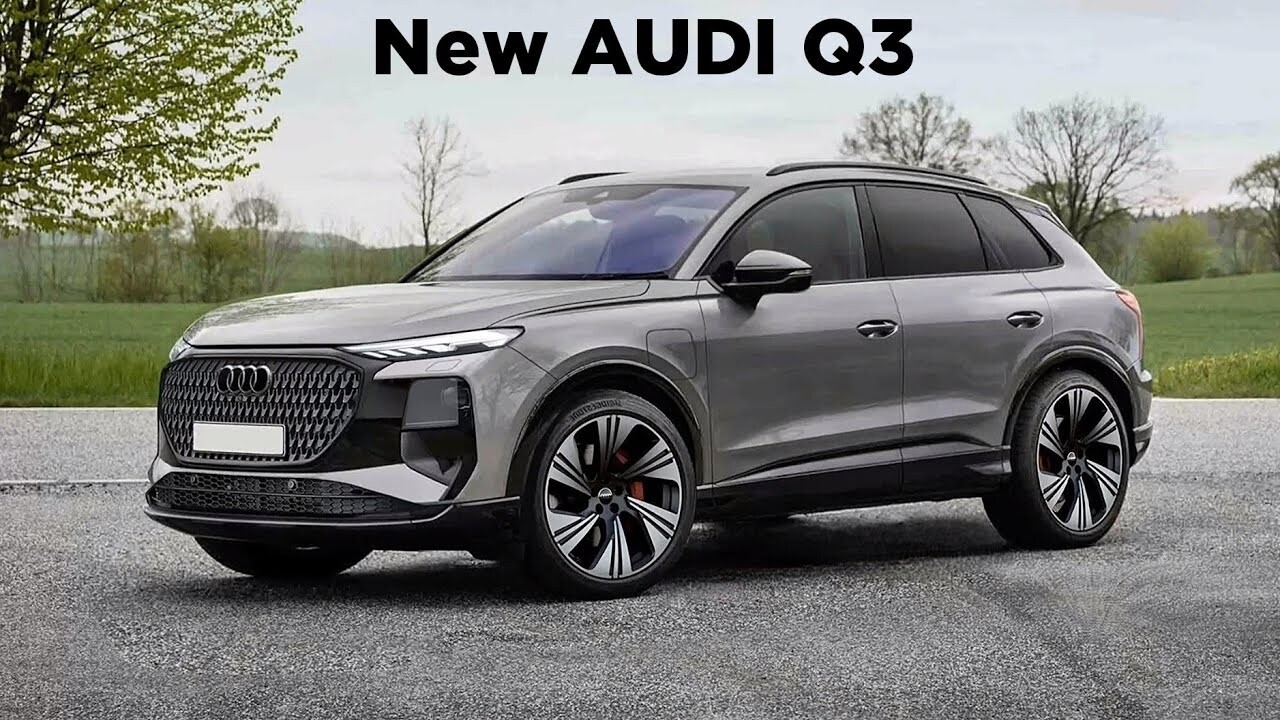

Why the Q3 fits an eco-minded adventurer
The Q3 sits in that sweet spot: compact enough to be nimble in town, roomy enough to carry outdoor gear, and styled like a premium crossover. For anyone who doesn’t want to haul a hulking SUV to reach a picturesque trailhead, this class of vehicle makes sense. From an environmental perspective, smaller crossovers generally demand less energy and materials than full-size SUVs. That isn’t a declaration of absolution — any combustion-powered vehicle produces emissions — but in practical everyday use the Q3’s size and packaging are advantages when you’re trying to reduce impact while still having a versatile ride.
First impressions: cabin, comfort, cargo — practical sustainability
On the road, the Q3 felt like a grown-up compact SUV: refined, composed, and designed for comfortable miles. For eco adventures, cabin comfort matters. When you’re doing low-speed, stop-and-go urban stretches or long highway runs to a remote coast, a comfortable seat and calm interior reduce driver fatigue — and less fatigue usually means smoother driving and fewer fuel-wasting accelerations.
Space-wise, the Q3 swallowed my weekend kit: racks of food, a compact two-person tent, a pair of backpacks, and room for muddy boots in a plastic tub. That sounds trivial, but a vehicle that accommodates your gear without cramped packing means fewer roof boxes and fewer trips. The fewer trips you make, and the less drag you add to the car, the lower your overall consumption.
On the road: efficiency in everyday driving
I spent the first two days running errands and navigating city traffic before heading out. This is where eco-conscious driving really matters: steady speed, gentle throttle inputs, and anticipating stops. The Q3 rewarded calm inputs — the powertrain felt smooth and tractable, which encourages me to drive in an eco-friendly way rather than stomp the throttle to make point A to B in a hurry.
For short-distance adventuring, route planning also paid dividends. I deliberately routed through quieter roads and fewer traffic lights to avoid repeated cold starts and idling time. Getting into the habit of mapping routes that favor steady-speed segments — even if they’re slightly longer in distance — often reduces fuel burned compared with a route peppered with stops.
Eco-friendly route types I loved with the Q3
On my week-long loop I focused on three types of routes that pair well with a compact crossover like the Q3 and have lower environmental impacts when driven responsibly:
- Coastal ribbon roads: Smooth, scenic, and often with steady speed limits — these let you cruise efficiently while enjoying the views. The Q3’s composed ride made these miles relaxing and economical when you avoid sprinting for the perfect outlook.
- Rural secondary roads: Tree-lined country lanes that encourage steady momentum (no stoplight roulette) and let you maintain a constant pace. These are great for fuel-efficient driving and for minimizing emissions per mile.
- Light gravel and maintained forest access tracks: Not hardcore off-roading, but practical for trailheads. The Q3 handled these gentle tracks with composure; approach them at reduced speed, and you’ll minimize wheelspin and dust — both of which are kinder to the environment.
Off the beaten path — low-impact practices
When you’re driving on dirt tracks or near sensitive areas, how you drive matters as much as the vehicle you drive. Here are habits I followed during the trip that cut impact:
- Maintain low, steady speeds to avoid generating dust clouds that can smother vegetation.
- Avoid unnecessary wheel spin — if you find traction lacking, get out and reassess rather than burying the accelerator.
- Keep to established tracks and car parks; don’t create new tracks or widen existing ones.
- Carry a small kit for cleaning up after yourself: trash bag, a brush for muddy boots, and a plan to carry out any waste you generate.
Tactics that improved the Q3’s efficiency on my trip
Beyond route selection and driving style, a few practical actions consistently reduced fuel use and emissions:
- Tire pressure: I kept tire pressures at the manufacturer-recommended levels for mixed loads. Proper pressure reduces rolling resistance and improves fuel economy.
- Lighten the load: I only packed what I needed. Big SUVs and heavy gear multiply fuel consumption; trimming weight helps significantly on longer runs.
- Roof rails vs. roof box: I avoided a roof box unless absolutely necessary — they increase aerodynamic drag and hurt efficiency. If you need roof storage, off-season collapsible options minimize the penalty when not in use.
- Plan for efficient stops: Instead of multiple short trips, I organized errands around the bigger journey so the engine would stay in its efficient temperature window more often.
Noise, emissions and the environment
One of the quieter surprises of the Q3 was just how refined it felt at reasonable speeds. Lower cabin noise often correlates with less aggressive driving behavior — which means fewer sudden accelerations and reduced fuel consumption. From an environmental standpoint, refined powertrains and good insulation can indirectly reduce emissions by nudging drivers towards smoother inputs.
I’m mindful of the fact that internal combustion vehicles will always have a carbon footprint; the goal of an eco adventure setup isn’t perfection, it’s mitigation. Choosing a smaller, efficient crossover like the Q3, driving thoughtfully, and reducing unnecessary weight and drag delivers real-world reductions in fuel use and local emissions without abandoning the kind of exploration I love.
Maintenance and longevity — sustainability by durability
One of the most underrated sustainability moves is to keep a vehicle healthy. A car that lasts longer and requires fewer replacement parts over its life can be environmentally preferable to a shorter-lived vehicle that needs constant fixes or replacement. I paid attention to simple maintenance during the week: checking fluid levels, monitoring tire wear, and listening for unusual noises. The Q3 felt mechanically capable and well-engineered, which suggests it’s built for longevity if you give it reasonable care.
Accessories and after-market changes that help (and what to avoid)
If you want to adapt a Q3 for eco-minded adventures, consider these sensible options:
- Low-rolling-resistance tires: They can boost efficiency, especially for long highway drives. Pick a brand with reputable wet-weather grip to avoid compromising safety.
- Lightweight storage solutions: Use soft panniers or collapsible racks that you can remove when not needed, rather than permanent, heavy roof boxes.
- Efficient lighting and electricals: LED lighting for campsite solutions draws less power than halogens if you’re running an auxiliary battery for gear.
What to avoid: heavy lift kits or large off-road tires unless you actually need them. They increase rolling resistance, add weight, and change aerodynamics — usually with a negative effect on fuel use.
Tech and apps that made the trip greener
During the week I leaned on navigation and route-planning tools that favoured efficient routes — avoiding congested town centers and heavy stop-and-go traffic. I also used apps to time departures around traffic flows, which kept the engine working in steady bands rather than overheating with short, inefficient bursts.
If you pair a smart route planner with conscious driving, the small savings add up over time. I consider that the practical “eco tech” — you don’t need a battery pack on the hood to drive smarter.
Real-world takeaway — what I’d tell a friend
If you asked me whether a 2024 Audi Q3 is a good companion for eco-minded outdoor adventures, I’d say yes — with caveats. It’s a compact, well-rounded crossover that makes sensible trade-offs: enough cargo and capability for weekend trips, without the mass penalty of larger SUVs. Driven with care, and packed thoughtfully, it can deliver trips that feel adventurous while keeping emissions and local environmental impact lower than a larger machine doing the same job.
That said, the best environmental gains don’t come from the vehicle alone. They come from how you use it: planning routes, packing lighter, avoiding unnecessary weight and drag, and using calm driving inputs. Pair the Q3’s packaging with those behaviours, and you get a surprisingly effective eco-adventure rig.
Final verdict
My week in the Audi Q3 (2024) reinforced something I’ve learned over the years: you don’t need an extreme vehicle to have honest adventures. What you need is a vehicle that respects the balance between capability and efficiency, and a driver who respects the places they visit. The Q3 is that kind of tool — compact, civilized, and capable — and when I coupled it with low-impact driving habits, smart packing, and route choices, it made for a credible eco-adventure partner.
If you’re the type who wants to chase out-of-town hikes, coastal loops, and quiet forest tracks without turning every trip into a heavy consumption exercise, the Q3 is worth considering. Use it thoughtfully, and it will return the favour — fewer emissions, less hassle, and more serene miles between you and the next horizon.
Onward — and leave nothing but tire tracks where allowed, and footprints where you must.
I spent a week chasing trails and tide-lines in the Audi Q3 (2024) and, as someone who measures cars by how well they handle real-world dirt-road trips, it passed with flying colours for light, low-impact adventures. The cabin’s comfort made long drives effortless, the boot swallowed a two-person tent and muddy kit without needing a roofbox, and the Q3 rewards calm, steady driving — which is exactly the behaviour you want if you care about cutting emissions on weekend runs. It’s not a hardcore off-roader, and I won’t pretend it is, but for coastal ribbon roads, rural lanes and well-kept forest tracks it’s a sensible, refined companion. If you’re trying to tread lighter on the planet, pick the smaller crossover, pack sensibly, keep your speeds down on unpaved access roads, and you’ll get more eco-friendly miles out of the Q3 than you might expect. That practical balance of comfort, capability and sensible efficiency is what makes this one a keeper for weekend adventurers who don’t need extreme off-road hardware.
Specifications
| Specification | Value |
|---|---|
| Model | Audi Q3 (2024) |
| Body type | Compact Premium Crossover SUV |
| Seating capacity | 5 |
| Doors | 5 |
| Drivetrain options | Front-wheel Drive; Available Quattro All-wheel Drive |
| Cargo practicality | Practical Cargo Space For Two-person Tent, Backpacks And Muddy Boots (sufficient For Light Trips Without Roofbox) |
| Market | UK |