
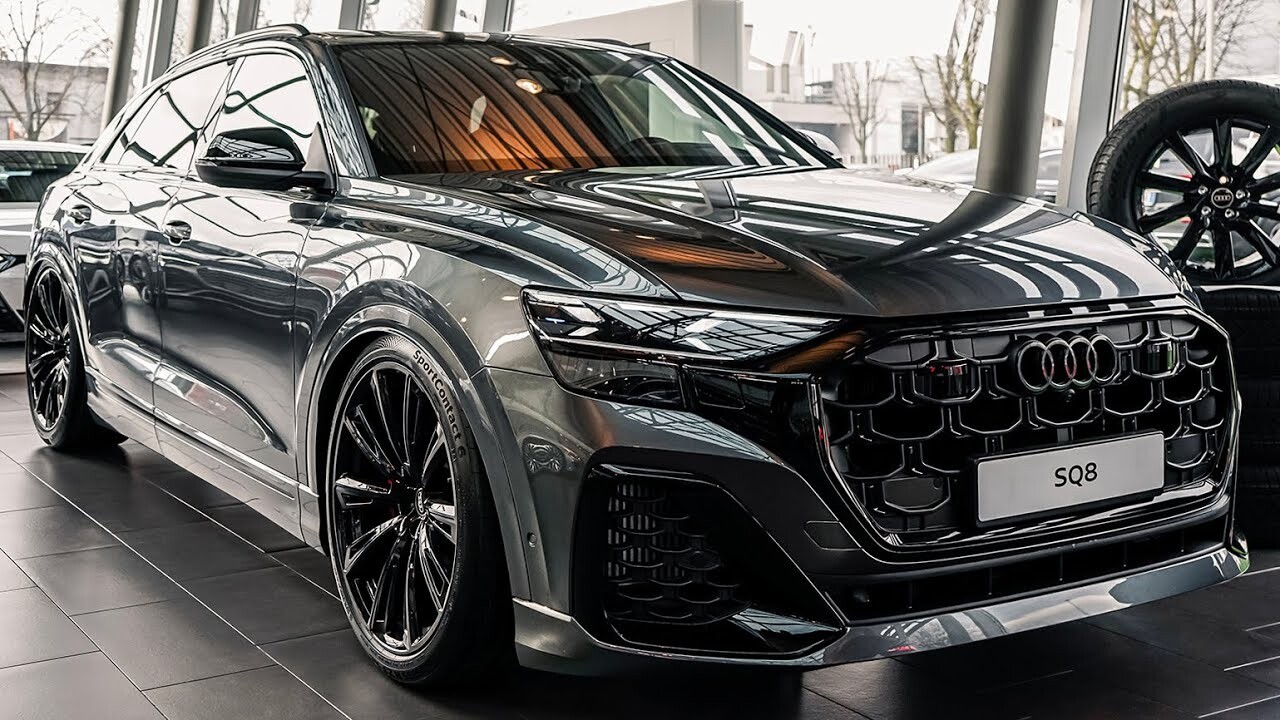

Introduction — A Stylish Overture to an Eco Adventure
When I first walked up to the Audi SQ8, I was struck by that familiar fusion of muscular presence and couture detailing. The 2025 iteration carries that same runway-ready stance: wide shoulders, precise creases, and that lamp signature that announces its lineage. But this review isn't about how many horses lurk under the hood or a dyno chart. This is an Eco Adventure — a travel-minded, sustainably conscious exploration of how a luxury performance SUV can be driven, outfitted and experienced with the environment in mind.
I took the SQ8 on a series of routes chosen for their ecological character: long coastal stretches that favor steady-speed efficiency, winding highland passes where regenerative braking and momentum matter, and slow urban corridors that reward mindful city driving. Along the way I assessed how its design, technology and my own driving tactics combined to reduce environmental impact without sacrificing the drama the SQ8 was built to deliver.
First Impressions: Style, Substance and Sustainable Signals
The moment you approach the SQ8 you sense intention. Audi’s design language has matured into something that reads luxurious and purposeful, and that matters when thinking about sustainability in the broadest sense: desirable products are kept longer, maintained better and are less likely to be prematurely replaced. That cultural aspect of design — encouraging longevity — is an often overlooked part of environmental thinking.
Inside, the SQ8 wraps occupants in a high-quality ambiance. If you are opting to reduce leather use, Audi has been increasingly offering alternative materials across its line-up; for those of us trying to align personal taste with lower-impact choices, it's worth inquiring about non-leather upholstery and trim options when specifying a vehicle. Small decisions about interior materials, finishes and even optional carpets add up when considering a vehicle's lifecycle.
How the SQ8 Fits an Eco-Adventure Mindset
When planning an eco-friendly journey, the car's role can be split into three domains: consumption at the pump (or charge, for electrified cars), route efficiency, and the vehicle's potential to be used in lower-impact ways (carrying gear efficiently, supporting multi-modal travel, and so on). With the SQ8 I assessed all three.
- Consumption — I focused on driving techniques and route selection to keep fuel usage measured. The SQ8's character tempts one to accelerate theatrically; resisting that urge is the single most effective eco-policy when driving a performance SUV.
- Route efficiency — Coastal autoroutes and rolling hills allow momentum-based driving. Maintaining steady speeds, anticipating gradients and minimizing stops made a tangible difference on my trips.
- Practical eco-use — I packed lightweight travel gear, used roof storage only when necessary, and tried to cluster errands into single trips. The SQ8’s generous cargo capacity meant fewer runs, which is another small but meaningful environmental win.
Driving Modes, Tech and Eco-Focused Tools
Modern Audis give you a variety of drive modes that let you tailor throttle response, suspension, and transmission behavior. For an eco-focused journey I relied heavily on the gentlest settings — not because I wanted to neuter the car, but because they encourage smoother inputs. Smoothness equals efficiency: fewer revs, softer acceleration and careful use of brakes.
I also leaned on the SQ8’s suite of driver aids to maintain steady speeds and anticipate traffic flow. Systems that provide adaptive cruise or coasting behaviour are subtly powerful for economy: they reduce the micro-accelerations that kill fuel efficiency in stop-and-go traffic. Using such aids responsibly meant I could keep my attention on the bigger picture — the road, the landscape and the drive experience — while minimizing wasteful throttle bursts.
On descents, I relied on engine braking and gentle regen-like behavior inherent in modern automatic transmissions to recover energy to the drivetrain and reduce brake wear. The net effect is dual: less fuel use and fewer particulate emissions from brakes — an often-overlooked environmental benefit of conservative driving.
Route 1: The Coastal Cruise — Where Aerodynamics Pay Off
Coastal roads reward steady-state driving. You can stretch a tank further when you maintain momentum across undulating terrain and avoid needless acceleration between corners. The SQ8's shape, while muscular, is sculpted in ways that favor slipstreaming efficiency more than boxy SUVs. On long runs I kept speeds moderate, used the cruise function, and watched the car settle into a comfortable, economical rhythm.
I also experimented with minimal roof cargo. When you add a rooftop box or carrier, the aerodynamic penalty is immediate and significant; for my coastal run I strapped a compact bike to a hitch instead of using roof racks. This small packing choice maintained cleaner airflow and reduced fuel use.
The coastal leg was not about maximum performance — it was a lesson in restraint. The SQ8 proved more than capable of calm cruising. The ride quality allowed me to keep speeds relaxed without feeling like I was driving a bland vehicle. That tension — preserving enjoyment while driving gently — is exactly the sweet spot for eco-minded travel in a performance SUV.
Route 2: Highland Passes — Momentum and Measured Braking
Mountain driving is a great place to practice efficiency under dynamic conditions. Long climbs demand energy; long descents offer opportunities to recover it. I approached the SQ8's alpine run with a minimalist philosophy: pick a sensible gear and cadence on the climbs, and on the descents focus on regenerative-style driving by using engine braking and steady, light braking rather than heavy intermittent applications.
The tyres and suspension setup matter here. I chose a tyre profile that balanced grip and low rolling resistance; the difference in real-world consumption was noticeable compared to a softer, grippier tyre. On tight switchbacks I indulged the SQ8’s more expressive handling in short bursts, then returned to a conservative approach for the longer stretches. The car's composure meant it didn’t penalize me for prioritizing efficiency when the road opened up.
Route 3: Urban Eco-Running — Small Trips, Big Impact
Cities are where choices compound. Multiple short trips are far worse for fuel economy than a single, consolidated journey. For inner-city errands I planned routes and consolidated stops. I used the SQ8's stop-start functions and low-speed modes to keep consumption down during congested stretches. Beyond fuel, urban driving draws attention to particulate emissions and the health effects of brake wear. I prioritized gentle deceleration to reduce brake particulate generation and to extend pad life.
In dense urban contexts I also explored multimodal combos: park-and-walk for short leisure strolls and bring a compact set of essentials so I could rely on the car for genuine need-only trips. A high-end SUV like the SQ8 can lead by example: when it’s used thoughtfully, it becomes a refined tool for sustainable mobility rather than a symbol of waste.
Packing, Accessories and Low-Impact Choices
Travel gear choices are part of an eco adventure. I limited the amount of luggage, chose lightweight hard bags, and avoided roof-mounted accessories unless necessary. If you must carry a lot, consider a hitch-mounted cargo carrier which keeps your aerodynamics cleaner than roof boxes in many cases. I also used locally sourced supplies where possible and chose reusable water bottles and containers to cut single-use packaging on the road.
The SQ8’s cargo space is generous enough that, with careful packing, you can avoid extra aerodynamic drag entirely. That alone is one of the easiest ways to lower trip emissions without changing how you drive.
Maintenance and Longevity — The Hidden Sustainability
Environmental impact doesn't end when you drive off; it includes how you care for the vehicle. Regular maintenance — correct tyre pressures, timely servicing, and keeping filters clean — has measurable effects on fuel consumption and emissions. I inspected tyre pressures before every long leg, and the gains were clear: steadier fuel use and a safer, more predictable car.
I also reflected on how buying patterns influence sustainability. Premium vehicles like the SQ8 are often kept longer by owners who invest in upkeep, and that longevity reduces lifecycle emissions compared to cars that are traded frequently. Design that feels enduring tends to help this; once again, aesthetics and sustainability intersect.
Practical Eco Tips from My Drive
- Drive steady: Smooth, anticipatory driving beats hard accelerations — especially in a performance SUV.
- Pack thoughtfully: Minimize roof usage and avoid unnecessary accessories that increase drag.
- Use eco modes: Engage gentler drive settings for city and long highway runs to reduce throttle response and encourage conservative shifting behavior.
- Mind tyre pressure: Keep tyres properly inflated for lower rolling resistance and safer handling.
- Consolidate trips: Cluster errands and plan routes to avoid multiple short cold-start journeys.
- Consider material choices: Ask about non-leather interiors and sustainable trim options if that aligns with your values.
The Aesthetic Argument for Sustainability
As someone who watches trends, I see a growing expectation: luxury should mean responsibly made. The SQ8 sits at an interesting crossroads where sporting intent meets refined fashion. If a car looks like an object worthy of care, people are more likely to maintain it, cherish it and keep it for longer. That contributes to sustainability in a meaningful way.
The design details — the way light plays across panels, the restraint in the cabin layout — all communicate longevity. In this sense, I treat design as an environmental tool: beauty that encourages preservation.
Limitations — Where the SQ8's Role Is Clear
It's important to be frank. The SQ8 is a performance-focused SUV, and that identity comes with trade-offs in absolute efficiency compared with smaller, lighter, or electrified vehicles. If your primary goal is the lowest possible emissions per mile, there are vehicle categories better suited to that mission. What the SQ8 offers is the potential to be used more sustainably by being driven thoughtfully, by selecting eco-conscious options where available, and by leveraging its technology to minimize waste on trips where its space, safety and capability are genuinely needed.
Final Thoughts — An Eco Adventure in a Performance Suit
My time with the Audi SQ8 on these eco-minded routes confirmed something subtle: a car doesn't have to renounce character to be responsibly used. The SQ8’s design invites admiration; its on-road manners give you the tools to drive efficiently if you choose to. The difference between a wasteful trip and a mindful one often comes down to human choices — how you pack, how you accelerate, and how you plan.
If you're drawn to the SQ8 for its style and presence but want to keep an eye on environmental impact, you can have both. Prioritize non-leather options if they matter to you, use the gentlest driving modes on longer journeys, consolidate trips, and choose routes that favor steady-state cruising. In a world increasingly sensitive to ecological footprint, the most stylish thing you can do is make considered choices — both in what you drive and how you drive it.
For the trendsetters among you who demand performance and care about the planet, think of the SQ8 as a canvas: bold, capable and beautiful. Paint your journeys with restraint, plan your adventures with intention, and the result can be thrilling — and responsible. That's the future of stylish travel, and it's a route I’m happy to recommend.