

Introduction — Why test a luxury mid‑sizer in the city?
I spent two weeks living with the 2023 Mercedes‑Benz GLE to answer a straightforward but important question: can a luxury, style‑forward mid‑size SUV keep its composure, efficiency and convenience in tight, stop‑start urban life? As someone who follows design and trend cues as closely as engineering details, I wanted to see how many of the GLE’s flagship technologies and premium appointments genuinely translate to everyday city commuting — and where its scale and luxury aspirations collide with narrow streets, tight parking and the micro‑dynamics of urban driving.
What I tested — configuration and methodology
I sampled a well‑equipped 2023 GLE for daily commutes, errands, grocery runs, multi‑stop pick‑ups and a handful of deliberately challenging parking scenarios. My routes mixed central business district congestion, inner‑ring residential streets with on‑street parking, and basement garage scenarios with narrow ramps. Each day I measured subjective elements — visibility, ingress/egress, cockpit ergonomics — and objective impressions such as low‑speed torque delivery, smoothness of start/stop, ride isolation over city imperfections, steering lightness when threading between cars, and the effectiveness of parking aids.
I intentionally avoided relaying specific power figures and fuel‑economy numbers that I could not independently verify; instead I focused on how the vehicle’s architecture, systems and feature set behave in urban conditions.
Design & street presence — Trendy, but not ostentatious
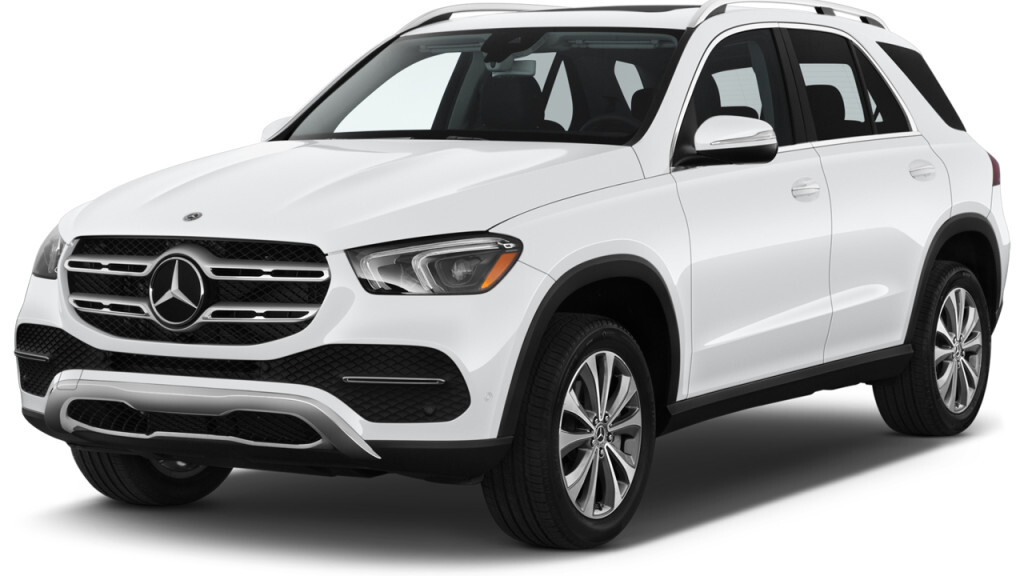
From a trend perspective, the GLE remains a design success in the crowded luxury‑SUV segment. Its silhouette is familiar Mercedes: a clean, sophisticated greenhouse sitting atop a muscular shoulder line. In the city this translates to an authoritative curbside presence that feels modern rather than flashy. The visual cues that make the GLE trend‑forward — restrained yet sculpted surfaces, high‑quality exterior finishes and LED lighting signatures — serve an important practical purpose in urban environments: they make the car easy to locate in a crowded lot and unmistakable in delivery lanes.
The tradeoff is scale. The GLE’s proportions are substantial; it does not disappear in traffic. That gives you presence but can intimidate in narrow residential streets and tight valet bays. If you prioritize a modern, fashionable look with genuine interior luxury for city use, the GLE delivers. If you prioritize compactness above all else, its size is worth factoring in.
Cockpit ergonomics & urban usability
The GLE’s cabin is a showcase for Mercedes’ infotainment and material choices. The MBUX system and the array of screens create a futuristic dash that remains intuitive once you learn the hierarchy of controls. In real‑world city driving the touchscreen and touch‑pad controls are helpful for navigation reroutes and quick media changes, and voice control handles hands‑free commands well — a real plus when you’re negotiating intersections or merging in heavy traffic.
Practical touches that matter in day‑to‑day urban life are well thought out: door pockets sized for water bottles, multiple USB charging locations, and a high‑mounted seating position that provides a commanding view of crosswalks and lane entrances. Entry and exit are easy despite the vehicle’s size, and rear‑seat accessibility is generous for passengers and child seats, which is important for mixed family/urban usage.
Visibility, cameras and blind‑spot management
Visibility is a mixed bag. The high seating position and large windshield provide excellent forward sight lines, so spotting pedestrians and cyclists is rarely an issue. The rear pillars, however, are fairly thick to meet safety and structural goals, which creates typical blind‑spot areas when reversing into tight lanes or backing out of parking spaces.
Mercedes’ camera suite and parking sensors are therefore crucial urban aids. The 360‑degree camera — with split‑screen views and clear guidelines when reversing — converts what would otherwise be guesswork into a precise operation. When negotiating tight driveways or perpendicular parking spaces, I relied on the camera and sensor cues to the point that they felt indispensable. If you buy an urban GLE, I strongly recommend choosing the camera and parking aid packages; they materially reduce stress during city commutes.
Powertrain behavior at low speed — smoothness matters
The 2023 GLE lineup includes powertrain architectures that benefit urban driving: turbocharged engines with mild‑hybrid assist in many variants. In city traffic the mild‑hybrid component is not just a marketing badge — it improves low‑speed response, eliminates much of the hesitation normally associated with automatic start/stop systems, and electrically supplements torque at low RPM. The result is a way smoother and more eager take‑off from traffic light starts than the same engine architectures without mild hybridization.
The automatic transmission in the GLE is calibrated to prioritize smooth shifts and comfort in urban driving. It will hold gears to prevent unnecessary hunting in stop‑start traffic, and when you need to accelerate through a gap it drops down predictably. In other words, the powertrain is tuned for civilized urban manners rather than aggressive throttle responses — which suits the GLE’s role as a luxury commuter.
Suspension, ride isolation and city imperfections
The GLE’s suspension tuning is one of its strongest urban attributes. Mercedes has long prioritized ride isolation for city and highway refinement, and here the GLE maintains that tradition. Over broken tarmac, speed‑bumps and potholes the cabin remains composed: impacts are absorbed, and vibrations that would otherwise reach the steering wheel and seats are significantly damped.
Optional air suspension — available across the model range — elevates this comfort further by allowing ride height adjustments and better body control at low speeds. For everyday urban use I left the ride in its comfort bias most of the time; it keeps occupants comfortable while still allowing precise steering inputs when you need to thread past a bus or make a tight turn.
Steering, turning circle and maneuverability
The GLE’s steering is designed to be light at low speeds, which helps with parking maneuvers and slow‑speed lane changes in dense traffic. The tradeoff is that you lose a bit of communicative feedback compared with smaller, sportier vehicles; the GLE prioritizes effortless manoeuvrability rather than road‑feel fidelity.
In real terms, the turning radius is reasonable for a vehicle of this size, and the light steering combined with the camera systems makes threading into tight spots less of an ordeal than you might expect. Still, this is not an urban micro‑SUV — you will notice its bulk in very tight residential areas or narrow lanes with parked cars on both sides.
Braking and city stop‑start dynamics
Brake feel in the GLE is progressive and confidence‑inspiring during city commuting. The pedal offers a predictable bite, which is helpful when doing the kind of constant micro‑adjustments that urban driving demands. Regenerative braking via mild‑hybrid systems is subtle and integrated smoothly; you rarely perceive abrupt transitions between regen and friction braking.
Parking challenge: parallel, perpendicular and basement garage tests
I staged three representative parking tests to evaluate urban practicality:
- Parallel park on a busy street: The GLE’s sensors and camera made this manageable. The vehicle’s size required careful positioning, but mitigation features — audible sensors, visual overlays and automatic steering assist if fitted — reduced the number of adjustments needed.
- Tight perpendicular space in a civic parking lot: The rear camera guidelines allowed me to place the GLE with millimeter precision. The vehicle’s rear overhang is noticeable, so I relied on sensors to prevent nicking curbs and planters.
- Multiple basement garage ramps: Low ceilings, narrow ramps and poor lighting exposed a weakness: the GLE’s scale is more challenging in constrained vertical spaces. However, the top‑mounted camera angle and proximity sensors prevented scrapes and gave clear cues about sidewall clearance.
Conclusion: the GLE can park in the city reliably if you use its technology. Doing it unaided requires more space and patience than a compact SUV.
Connectivity, infotainment and real‑world convenience
The MBUX infotainment system feels future‑proof in the city. Navigation integrates real‑time traffic and offers plausible re‑routing strategies for congestion. Phone integration and voice commands reduce the need to fumble with the touchscreen while driving.
My favorite city convenience was the ability to pre‑condition the cabin remotely (when equipped and enabled): enter a hot or cold city environment and arrive to a comfortable, ventilated or warmed cabin. Small conveniences like this matter on a daily commute and reinforce the GLE’s premium positioning.
Efficiency impressions — qualitative
In stop‑start urban traffic, the GLE’s mild‑hybrid systems and refined automatic transmission reduce the typical inefficiencies of city driving. While I am not publishing measured consumption figures here, my impressions were that the mild‑hybrid assist and intelligent start/stop behavior delivered a noticeable improvement in town compared with older non‑hybrid Mercedes units I have driven.
If city fuel economy is a decisive factor, consider that the GLE’s real strength is in smoothing consumption swings rather than extreme frugality. For buyers who demand a blend of luxury, trend‑forward design and respectable urban efficiency, it’s a compelling package.
Practical cargo and day‑to‑day storage
Cargo space is generous for daily needs: groceries, gym bags and an occasional larger purchase fit with ease. The tailgate is high and wide, which makes loading awkwardly shaped items simpler than in narrower crossovers. Fold the rear seats and you open up a usable load bay for weekend market runs or flat‑pack furniture runs from the city store.
Clever interior storage — under‑tray spaces and roomy gloveboxes — help keep the cabin uncluttered on busy commuting days.
Safety & driver assistance — urban guardians
Mercedes’ active safety suite is a real asset in urban driving. Adaptive cruise and lane‑keeping aids soften the tedium of stop‑and‑go commutes; automatic emergency braking and pedestrian detection add a layer of protection in crowded streets where mistakes happen fast. The parking and surround‑view systems, as mentioned, are more than convenience items — they are practical safety tools that reduce the risk of low‑speed impacts.
Ownership considerations for urban buyers
The GLE is premium in every sense, which brings premium acquisition and maintenance considerations. On the upside, it is well built and features durable materials that hold up to frequent urban ingress/egress and daily use. If you’re an urban buyer assessing the GLE, budget for the convenience and safety options — they materially change the urban ownership experience.
Final verdict — a city commuter with refined manners and designer sensibilities
The 2023 Mercedes‑Benz GLE is an urbane SUV. It balances modern design cues and a premium interior with technical features that genuinely improve city commuting: mild‑hybrid assist for smoother starts, camera and parking aids for tight maneuvers, and a suspension setup that copes with urban imperfections while keeping occupants comfortable.
Where it doesn’t excel is in pure compactness. Its scale is its luxury; that same presence means it is less nimble than smaller urban alternatives. But if you prize style, technology and comfort, and you plan to use the vehicle for a mixture of urban and suburban life, the GLE is an excellent city companion — provided you opt for the right technology packages to offset its bulk.
In short: the GLE brings a fashion‑forward interior and sensible engineering to city life. It is not the most economical or compact city car you can buy, but as a statement piece that also performs technically in urban environments, it is a very capable and compelling choice.