
City Tightrope: My Week-Long Commute Challenge with the 2025 Nissan Townstar
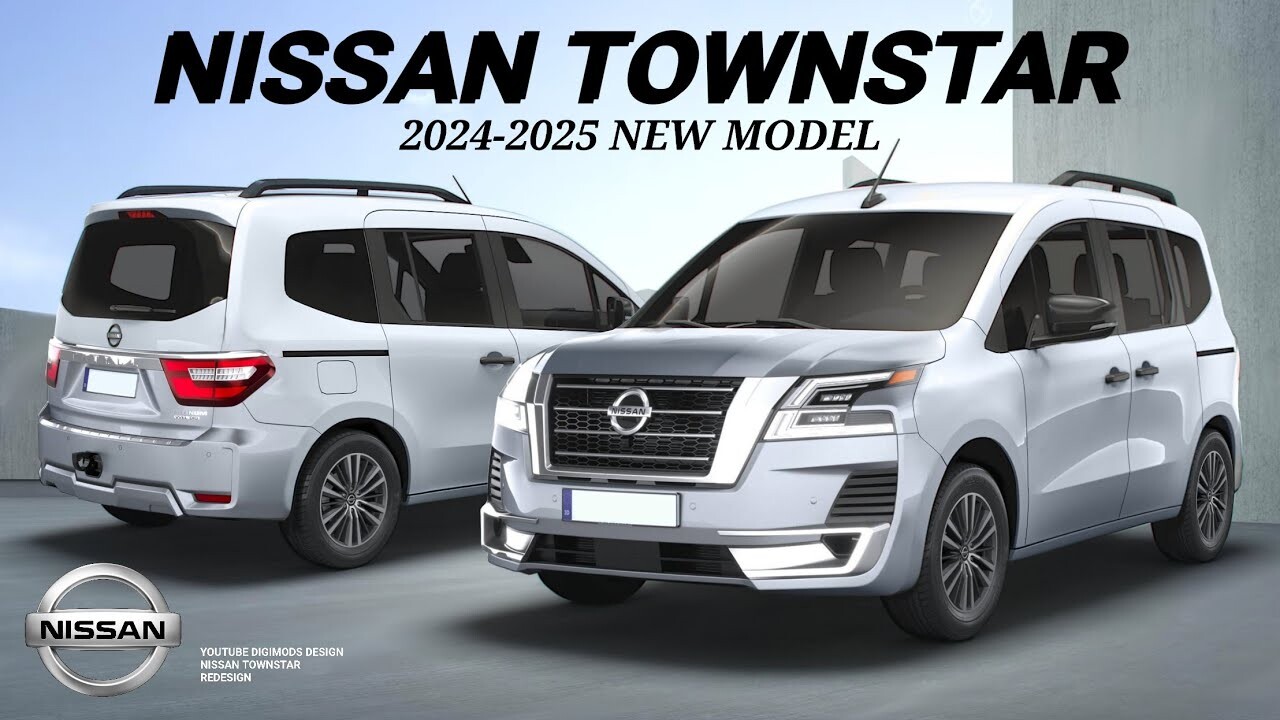

Summary: I spent a week living and commuting in the 2025 Nissan Townstar to see how it handles the real demands of city life — morning gridlock, tight parking, weekend errands, and the odd overnight trip. This is a long, practical run-through rather than a spec-sheet. I focused on what matters to urban drivers on a budget: convenience, manoeuvrability, running costs, and day-to-day usefulness.
Why a City Commute Challenge?
I’m a sucker for tests that put a car through the kind of friction urban life creates: constant stop-start driving, abrupt lane changes to dodge double-parkers, squeezing into market-side bays, and doing a grocery crawl with a trailer full of camping gear. The Townstar is pitched at people who need usable space without the high running costs or paper-thin practicality of larger vans. That made it a natural candidate for this challenge.
How I Tested It
I used the same daily rhythm for five full days: a 12–18 minute morning commuter across mixed city roads, midday runs (childcare drop, a couple of collections), and evening short hops to restaurants and parking trials. On the weekend I loaded up for a small overnight adventure: a market run, a riverside picnic and a short rural detour. The idea was to exercise the Townstar as an everyday urban tool and a light-travel companion.
First Impressions — Size, Visibility and Driving Position
Climbing in for the first day, what stands out is the sense of utility more than luxury. The driving position is upright and gives a good view forward — exactly what you want in congested traffic where seeing over the bonnet and getting a clear view of junctions matters. For a city vehicle, that elevated vantage point makes manoeuvring feel more confident.
From a practical perspective, the Townstar’s footprint felt compact enough for tight streets and narrow multi-storey ramps. I could thread it into parking gaps that would swallow a mid-size MPV. That said, this is still a van-style vehicle — you don’t get the tightness of a small hatchback, but you do get the usefulness of a small commercial layout with easier loading and more interior volume than most urban cars.
Morning Commute — Stop-Start Traffic and Low-Speed Handling
The weekday mornings were a steady diet of traffic lights, roundabouts and the kind of impatience only rush hour produces. The Townstar is designed for this life. Low-speed steering is light and direct which makes threading through congested lanes and performing quick three-point turns less fatiguing than in a larger van. The clutch and gearing (for the example I drove) were easy to live with in heavy traffic — no awkward gear hunts or jerky take-offs.
Visibility helped at intersections and when pulling out of side streets — I could see pedestrians and cycles clearly, and that reduced the constant second-guessing you do when driving in dense urban environments. The mirrors are sensible and large enough for lane changes; I appreciated having that extra view when buses and delivery drivers crowd the lanes.
Parking: A City Driver's True Measure
Parking is the Townstar’s strong suit for a vehicle of this type. Parallel parking on busy streets felt achievable without wrestling — the steering response and the vehicle’s length combined well. I also tested a number of awkward all-day bays in market areas and managed to get into most without needing more than one or two adjustments.
Practical city points:
- The Townstar’s height and width make it easy to judge kerbs and low walls — you don’t feel like you’re constantly tiptoeing around invisible limits.
- Loading and unloading at the rear is straightforward. I frequently ran with a crate of groceries and parcels, and the rear aperture is sensible for quick access.
- For those who value convenience: the simple layout means you can approach an awkward kerb or tight bay without fancy manoeuvres.
Day-to-Day Comfort and Ergonomics
The seats are geared toward durability and supportive enough for daily trips. On short commutes they were comfortable, and I didn’t find myself constantly adjusting my posture, which is a good sign for someone who spends a lot of time in stop-start traffic.
Interior storage is where the Townstar scores points for the budget-conscious urban user: there are sensible cubbies for a water bottle, phone, paperwork and loose change. Practical touches — easy-to-clean surfaces and a layout that keeps commonly used controls within reach — make it easy to live with on a daily basis. Long-term, that adds up to fewer little irritations and lower nuisance costs.
Technology and Connectivity
Infotainment and connectivity are functional rather than flashy. The controls on the unit I drove were straightforward and didn’t require a manual to figure out. Phone connectivity and navigation were good enough for urban routing, and the sized screen made maps readable at a glance without being an attention hog.
For budget-minded buyers: simplicity here helps reduce the number of costly repairs or software headaches down the line. If you want cutting-edge in-car tech, you’ll need to check trim levels and options — but for most city users who need dependable route guidance and a sensible audio setup, the Townstar delivers what matters.
Practicality: Cargo, Flexibility and Everyday Use
Where the Townstar really earns its keep is in practicality. Over the week I used it for everything from routine grocery runs to moving bulky market purchases and ferrying small pieces of furniture. The cabin layout makes it simple to stow and access items; it’s remarkably liberating to have a flexible interior when the standard car trunk would have required multiple trips or a precarious roof load.
I also used it for a quick swap of gear to a nearby community event. The Townstar swallowed awkward boxes and folded items with ease. The flat loading floor helped, and even unlatched items didn’t rattle around excessively on urban roads.
Weekend Escape: An Urban Van on Short Adventures
On Saturday I loaded up the Townstar for a short riverside picnic and a night out at a friend’s place in a nearby town. The trip included winding B-roads after the city limits and a few tight lanes near the river. I wasn’t looking for sports-car thrills — I wanted reliability, space and low fuss. The Townstar performed as a sensible companion: comfortable enough on the motorway-adjacent roads and practical enough to carry picnic gear, folding chairs, and a couple of bikes stacked with inner tubes and blankets.
The cargo area’s flexibility made the weekend simple. I could remove or fold items and create a flat surface big enough for sleeping pads if you’re the kind of person who enjoys spontaneous urban-camping getaways. It’s not an overland rig, but for light adventure that starts and ends in the city, it’s impressively capable.
Noise, Ride Quality and Urban Pavements
The Townstar rides with a clear bias toward comfort and load-carrying practicality. On city cobbles and patched tarmac, it filtered out the worst of the knocks without fidgety rebound. At higher speeds when leaving the city, road noise becomes more noticeable — as you’d expect in a vehicle prioritising utility over luxury — but it didn’t ruin conversation or navigation cues on short intercity runs.
Running Costs and Ownership Perspective
As a Budget Buyer, this is where my attention sharpens. I evaluated the Townstar through the lenses of ongoing costs, typical service intervals and the kind of simple maintenance city owners can do. The things that matter most are ease of access to routine service points, durable finishes that don’t need constant attention, and a practical layout that reduces the chance of small, expensive repairs.
The Townstar’s straightforward interior and Nissan’s widespread dealer network (an advantage for city folk needing quick servicing or parts) make it an attractive option for those who want low-fuss ownership. If you factor in the cost saving from being able to carry things yourself — fewer delivery fees, fewer hires of larger vans, fewer return trips — it’s a practical cost-saving tool for small businesses and families who run an urban lifestyle.
Safety, Practical City Features and Peace of Mind
In town driving, the features that matter most are visibility, predictable brakes, and enough protection for cyclists and pedestrians in tight spaces. I found the Townstar reassuring in these areas: braking was predictable and didn’t suffer from sudden, grabby behaviour in stop-start traffic. The vehicle’s shape and glazing help you see what’s needed at junctions and kerbs.
For people who carry fragile goods or valuable equipment for work, the secure-feeling cabin and simple lock points are practical advantages. It’s the kind of vehicle where you feel you can leave a couple of tools or a laptop in the back for short periods without rewriting your security plan — though, naturally, nothing replaces common sense and secure storage.
Who Is the 2025 Townstar Right For?
If your daily life is a patchwork of short urban hops, local deliveries, and weekend errands that sometimes need space and sometimes need nimbleness, the Townstar is very hard to beat on value. It suits:
- Small-business owners who need a flexible urban runner without the footprint of a full-size van.
- Families who regularly wrangle bulky shopping, prams, bikes or weekend gear and want one practical vehicle.
- Anyone who prioritises low-fuss maintenance, good visibility, and easy parking over luxury appointments.
What to Check Before You Buy
When you’re on a budget, every option and trim choice matters because it changes long-term ownership. From my week with this Townstar, here’s the checklist I’d use:
- Confirm the exact equipment on your chosen car — some useful city aids are optional, so check for reversing cameras, parking sensors and connectivity options you might rely on.
- Consider who will service the vehicle. Easy access to dealers or independent garages with experience on light commercial vehicles will save money and time.
- Inspect the interior finishes if you expect heavy daily use. Hard-wearing trims are worth choosing — they age better and reduce long-term replacement costs.
- Test the vehicle in tight urban scenarios similar to your daily trips. If you regularly use multi-storey car parks or narrow loading bays, try those during a test drive.
Final Thoughts — The Budget-Buyer Verdict
After a week of real urban life, the 2025 Nissan Townstar felt like a sensible, pragmatic tool rather than a gadget-laden showpiece — and that’s a compliment in the city. It does the everyday chores that count: it’s easy to park, predictable in traffic, and flexible enough for both small business tasks and weekend adventures. For someone focused on value for money, straightforward ownership and practical usability, the Townstar is the kind of vehicle that quietly earns its keep.
Bottom line: If you want a city-first vehicle that doesn’t pretend to be a luxury cruiser but gives you useful space, sensible ergonomics, and low-fuss practicality for daily urban life, the Townstar is well worth a look.
— That’s my week in the Townstar. No fluff, just what I’d want to know as someone who spends more time navigating city life than admiring horsepower figures.
I spent a week threading the 2025 Nissan Townstar through rush-hour streets, then loaded it up for a riverside picnic and a short overnight escape — and it proved exactly what a budget-minded urban traveller needs. The upright driving position and excellent forward visibility took the stress out of negotiating cycle lanes and market traffic, while the compact footprint made parking and multi-storey ramps hassle-free. On the weekend run to the riverbank the Townstar swallowed cool boxes, folding chairs and a couple of bags with no drama; the flat-ish loading floor and wide rear aperture make short adventures and light-cargo trips straightforward. It’s not a long-distance cruiser or a luxury SUV for alpine passes, but for day-to-day city life and spontaneous local getaways it’s dependable, simple and cheap to live with. As The Budget Buyer, I appreciate that Nissan hasn’t overcomplicated the formula — lower running costs, durable interiors and a straightforward service network matter more to most owners than flashy tech. If your adventures are mostly urban and nearby countryside jaunts, and you want sensible cargo space without the headaches or cost of a larger van, the Townstar is a very practical pick.
Specifications
| Specification | Value |
|---|---|
| Model | Nissan Townstar |
| Year | 2025 |
| Market | UK |
| Body type | Compact Van / City Van |
| Primary use | Urban Driving And Light Cargo Duties |
| Driving position | Upright Seating With Good Forward Visibility |
| Parking manoeuvrability | Compact Footprint Suited To Tight Urban Spaces |
| Cargo access | Wide Rear Aperture With A Flat Loading Floor (van-style Access) |
| Interior finish | Durable, Easy-to-clean Surfaces (varies By Trim) |
| Infotainment | Functional And Straightforward System (features Vary By Trim) |
| Safety assist | Reversing Camera And Parking Sensors Available Depending On Trim |
| Ride character | Tuned For Comfort And Load-carrying In Urban Conditions |
| Ownership focus | Simple Design With Low-fuss Servicing And Durable Components |