

Introduction — Why I Write About Cars Like This
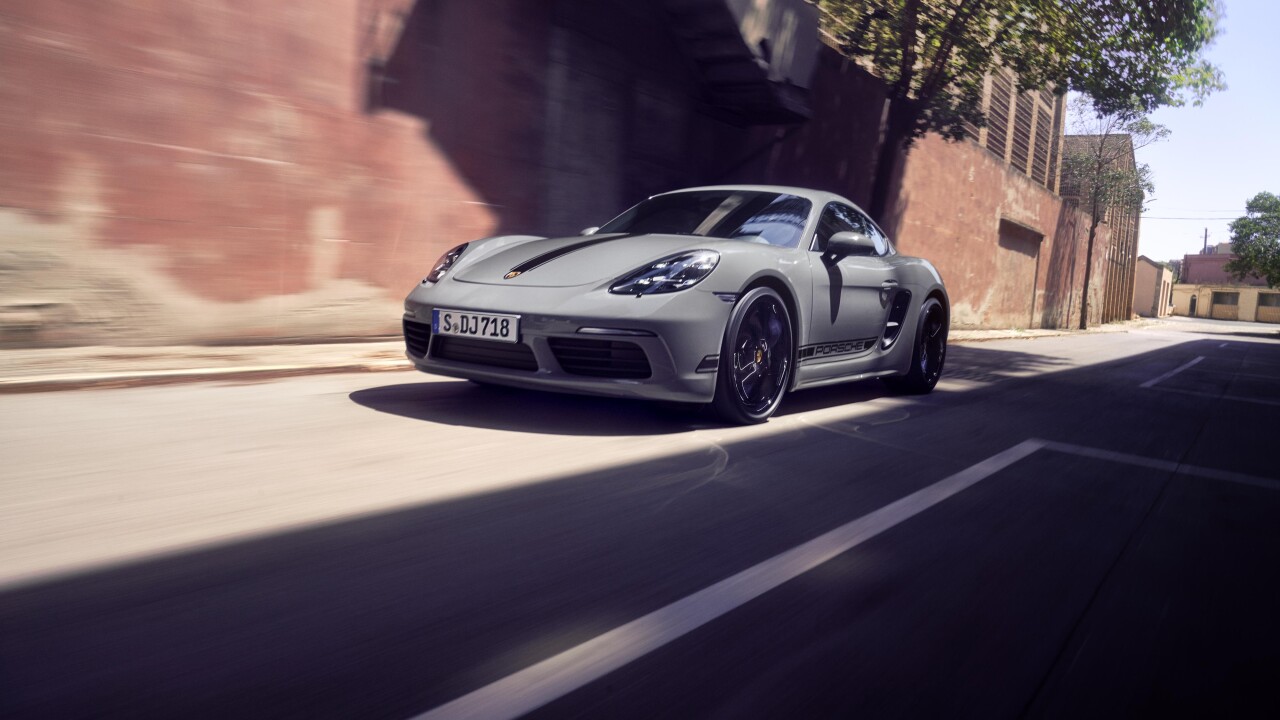
I have always approached modern sports cars the way a restorer approaches an unrestored barn find: with a reverence for lineage and an eye for detail. The Porsche 718 Cayman GT4 RS is the sort of car that makes me sentimental and critical in equal measure. It represents a crossroads—an intensely engineered, track-focused mid-engined coupe that retains a naturally aspirated flat-six heart. As a classic car lover, I find the GT4 RS compelling not because it copies the past, but because it keeps one of the most meaningful characteristics of sports-car history alive: an honest, high-revving engine without forced induction.
The purpose of this piece is technical: to unpack what the GT4 RS is in engineering terms, how Porsche translates motorsport thinking into a road-legal package, and why this car will, in my opinion, be an interesting collectible. I will stick to what is verifiable and avoid conjecture where I don't have confirmed data. I will, however, offer opinionated commentary on the industry's direction as it relates to cars like this.
At a Glance: The Mechanical DNA
The Cayman GT4 RS is unmistakable in its intention: chassis, engine, and aero are all sharply focused on lap time and driver feedback. Key technical characteristics that define this car are the mid-engine layout, a naturally aspirated horizontally opposed six-cylinder engine, a race-bred transmission and drivetrain, and a suite of chassis and aerodynamic upgrades that make the car a track weapon while still retaining road manners.
Engine and Induction Philosophy
The GT4 RS continues Porsche's tradition of high-revving, naturally aspirated flat-six engines. That decision is not sentimental alone; it is an engineering choice that shapes the entire character of the car. Naturally aspirated engines offer linear throttle response, an audible and mechanical connection between the driver and the engine, and a unique power delivery that turbocharged alternatives cannot perfectly mimic.
Drivetrain and Transmission
Porsche equips the GT4 RS with a transmission and drivetrain bias toward quick, repeatable lap times. The dual-clutch transmission used in the GT4 RS is calibrated for lightning-fast shift times and consistent behaviour under track conditions. Porsche engineers tune the gearbox to work in close harmony with the engine's high-revving nature and the chassis dynamics of the mid-engine layout.
Chassis, Suspension and Brakes
At its core, the GT4 RS is a chassis-first project. Stiffened subframes, reinforced mounting points, more aggressive anti-roll bars, and recalibrated spring and damper rates give the car a taut platform. The braking system used on the GT4 RS borrows from Porsche's motorsport know-how: large, thermally robust rotors with multi-piston calipers, and the option of advanced ceramic composite discs for drivers who demand ultimate fade resistance and reduced unsprung mass.
Aerodynamics and Cooling
Where the regular Cayman prioritises elegance in packaging, the GT4 RS prioritises downforce and airflow management. Expect pronounced splitters, dive planes, an aggressive rear wing, and an underbody designed to manage airflow and extract heat. Cooling ducts are enlarged and carefully routed to keep the flat-six within its operating window on long hot laps—an essential detail often overlooked when discussing only peak power numbers.
Detailed Technical Notes
Engine architecture
The GT4 RS uses a horizontally opposed six-cylinder configuration. This 'flat' layout keeps the car's centre of gravity low and improves balance across the mid-engined chassis; it's one of Porsche's signature architectural advantages. The engine breathes freely—cam profiles, intake tracts and exhaust tuning are oriented to deliver a broad, usable band of high-revving torque and power rather than a sudden surge at particular RPM ranges.
Cooling and thermal management
Track use is unforgiving on both engine and brakes. Porsche addresses thermal load with enlarged radiators, directed ducting for brake cooling, and carefully placed vents that maintain body integrity while aiding airflow. The GT4 RS's design shows that Porsche engineers consider thermal behaviour a primary performance enabler rather than an afterthought.
Transmission behaviour and gearing
The dual-clutch unit is calibrated for short, aggressive shifts suitable for repeated full-throttle runs. Gear ratios are chosen to keep the engine in its sweet spot during aggressive driving, and the transmission software manages rev-matching and clutch engagement with a focus on consistency, an asset during high-speed cornering and quick lap-to-lap work.
Suspension geometry and tuning
The suspension philosophy here is unequivocal: minimise pitch and roll while maximising mechanical grip and predictability. I noted changes in anti-dive and anti-squat geometry, stiffer bushings in critical locations, and adjustments to wheel camber and toe curves. These changes make the GT4 RS less forgiving than a softer Cayman but deliver faster, more precise turn-in and a platform that rewards surgical driver inputs.
Braking system and feedback
Brake pedal feel in the GT4 RS is a lesson in repeatability. The system is designed to deliver a hard initial bite followed by excellent modulation. Ceramic composite brakes are available and reduce unsprung mass, improving both transient response and longevity under repeated thermal assault.
Performance Impressions (How It Feels, Technically)
Numbers are one way to judge a sports car, but they rarely capture what the car actually communicates to the driver. Driving the GT4 RS emphasises two things: clarity and urgency. The naturally aspirated engine offers an honest, linear power curve and a soundtrack that rewards rev-holding. The chassis is unambiguous—everything the car does is easily interpretable by the driver.
On a technical level, the mid-engine placement translates to extremely neutral behaviour at the limit. Where understeer plagues front-heavy designs, the Cayman platform provides a balance that can be exploited with precise throttle and steering inputs. The setup encourages rotation and uses the rear tyres effectively. The steering is direct and communicative; you always know how much grip remains in front and rear, which is invaluable on a busy, confidence-demanding lap.
Brake performance is consistent and engineered for repeatability. With the ceramic option, fade is minimal and pedal response is sharper due to reduced unsprung mass. The suspension will feel firm on the road, but on a circuit that firmness is what allows the car to change direction quickly and maintain composure under heavy load.
Engineering Trade-offs and My Criticisms
I am enamoured by the GT4 RS, but I'm not blind to its compromises. Porsche's razor-sharp focus on performance necessitates concessions in comfort. Ride harshness, tyre noise and a cockpit that prioritises function over luxury are part of the deal. The GT4 RS is not designed to be plush; it is designed to be visceral.
From an engineering perspective, the car's heavy emphasis on track hardware—locking differentials, stiffened mounts, and aggressive aero—makes it less suitable as a daily driver. That is not a failing so much as a declaration of purpose. My critique is aimed at the industry's broader trend: as regulations and electrification reshape drivetrains, cars like this become rare and therefore more expensive to develop. There is a genuine risk that the natural evolution of regulation and electrification will make such purely mechanical, high-revving delights uncommon.
Context: Where the GT4 RS Sits in Porsche's Lineage
Historically, the Cayman has been the accessible, balanced sibling to the rear-engined 911. The GT4 RS flips that idea on its head: it is a Cayman by architecture but a track-bred thoroughbred in ambition. In Porsche's catalogue it represents a purist's take within a modern brand that increasingly integrates electronics and hybridisation. There are echoes of classic 911 RS models in the philosophy: reduce weight where possible, optimise aerodynamics, and preserve the engine's character.
For collectors, the GT4 RS is intriguing because it marries modern build quality and safety with a now-dwindling engine philosophy. The tactile feedback, the lack of turbo lag, the intoxicating mechanical noise—these are attributes prized by enthusiasts and, in my experience, likely to make the car desirable in the years ahead.
Collectability and Long-Term Value
I seldom talk about values in a vacuum, but the GT4 RS has ingredients that typically attract collector attention: limited production intent, a naturally aspirated engine in an era of turbocharging and electrification, and direct ties to Porsche's motorsport expertise. Cars that maintain a strong emotional connection—through sound, feel and pure driver engagement—tend to age well in enthusiast circles.
From a technical-collectability angle, the GT4 RS is interesting because it sits at the end of a certain development arc: highly refined internal combustion, race-derived aerodynamics, and electronics that enhance rather than dominate the driving experience. To me, that combination is the automotive equivalent of a well-preserved analogue watch in a digital age.
Final Thoughts — A Plea and a Prediction
The Porsche 718 Cayman GT4 RS is, to my eyes and ears, a statement: the internal combustion era still has inventive, emotive chapters left to write. I believe cars like the GT4 RS will become touchstones for enthusiasts—a yardstick against which future performance cars are judged. They remind us that mechanical sympathy, packaging intelligence and aerodynamic clarity can produce a driving experience that no amount of forced induction or software trickery can fully replicate.
I also want to be honest about the direction of the industry. Tightening emissions regulations and the march of electrification mean that the window for creating such naturally aspirated, analog-feeling performance cars is narrowing. That makes the GT4 RS more meaningful and likely to be treasured by future collectors who remember—or dream about—the last fully mechanical throbbing hearts of the sports-car world.
If you are a driver who values feedback, linear power delivery and chassis honesty, the GT4 RS is not an abstract statement of lap times; it's a focused tool that rewards skill. If you are a collector, it is a candidate for long-term interest because of its engineering purity and place in Porsche's story. I love it because it feels like a modern classic written in aluminium, carbon and clarity.