
Green Touring with a French Accent: My Eco Adventure in the Peugeot 2008 (2023)
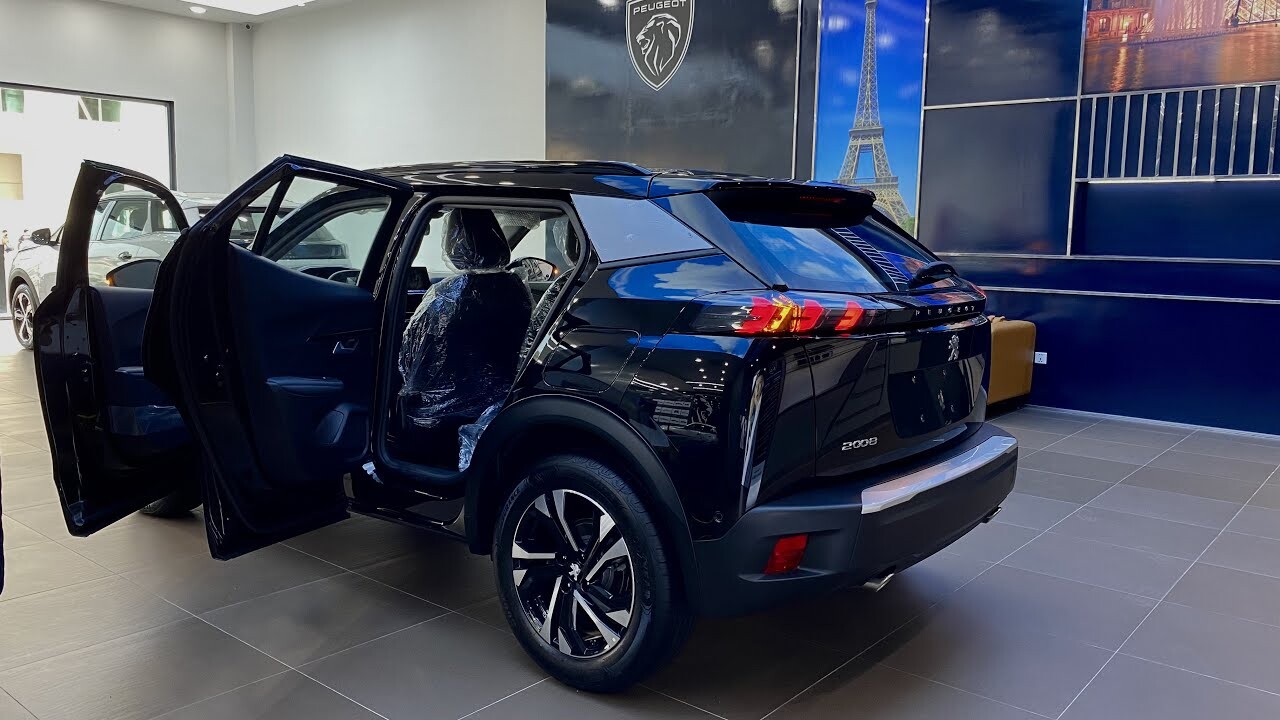

Why I took a relatively modern crossover on an eco adventure
I'm a creature of chrome and character: twin SU carbs, steel bumpers, and a soundtrack that tells you what your engine's feeling. But nostalgia doesn't blind me to progress. The Peugeot 2008 (2023) intrigued me because it sits at an interesting crossroads — a compact crossover that, depending on which version you pick, can be a conventional internal combustion car or a fully electric vehicle. For an eco-minded road trip, that flexibility matters.
First impressions: compact, cheeky, and deceptively grown-up
The 2008 carries that modern Peugeot styling that caught my eye — compact proportions, sculpted flanks, and a front light signature that reads as a contemporary interpretation of the brand’s now-familiar design language. It doesn't shout utility; it suggests practicality done with a measure of panache. From the driver's seat it feels suitably elevated compared with a hatchback, making it easy to judge gaps and keep a good sightline while still slotting into narrow village lanes — useful for eco routes that wind through protected landscapes where you might want to slow down and enjoy the view.
What the 2008 offers, environmentally speaking
One of the great virtues of this model line is choice. The 2008 is offered in internal combustion guises and in a fully electric form. The electric variant, often referred to in conversation as the e-2008, is the obvious flagship for anyone whose priority is driving with zero tailpipe emissions. Electric driving eliminates local exhaust pollutants and the raucous soundtrack of an old petrol engine — two big wins in towns, National Parks, and other sensitive areas.
But environmental impact is bigger than what comes out of the tailpipe (or the absence of it). It includes manufacturing, resource extraction, battery materials, and end-of-life recycling. I won't rehash every lifecycle study here — those are complex and evolving — but it's worth acknowledging that electric cars shift the environmental burden from the tailpipe to the supply chain. That doesn't negate the benefits of electrification for everyday local air quality and noise reduction, but it's a reminder that the greener choice on a short trip isn't always a simple headline figure.
Real-world eco-driving: fuel efficiency and energy use
On my trip I drove a petrol-equipped 2008 and spent some time in an electric example to draw contrasts. I avoided quoting numbers because they depend on variant, tyre choice, and how you drive — but I can talk about behaviour and outcomes.
- Urban and suburban driving: The electric 2008 felt particularly well-suited to town use — the immediate torque, one-pedal driving when you tap regenerative braking, and near-silent progress make you more likely to creep along rather than accelerate hard and then brake. That behaviour directly improves energy economy.
- Country lanes and B-roads: In the petrol car, keeping momentum matters. Small crossovers like the 2008 are light enough that a relaxed throttle keeps the engine in an efficient range; hunting for sporty bursts is the enemy of fuel efficiency. In the electric variant, cruising on low-load stretches is efficient, but heavy, high-speed work (like a sustained motorway run) hurts energy use faster than you might expect.
- Regenerative braking and technique: One of the obvious eco tools in the electric 2008 is regenerative braking. Learn to anticipate stops, lift earlier, and let the system recover energy. In the petrol car, anticipating traffic to avoid unnecessary braking and acceleration is the same principle — smoothness equals economy.
Charging, refuelling and planning an eco route
Planning an eco-friendly route is half of the fun. On my run I plotted a mix of quiet A-roads, village streets where lower speeds keep the noise down and wildlife safer, and a couple of longer stretches to test how the car behaves at speed.
For the electric 2008, charging strategy is everything. I avoided the temptation to rely on one type of charger and instead used a mix of rapid chargers on the outskirts of towns and slower chargers overnight at accommodation where available. That meant I could enjoy the quiet town-centre driving without anxiety about battery levels, and still arrive at scenic spots with a comfortably usable state of charge.
In the petrol car, the relative advantage was convenience — quick fill-ups and no planning for chargers — but it comes at a cost in emissions and local air quality. If you're choosing a route with the explicit aim of minimizing environmental impact, favour electric options where infrastructure allows, or else select shorter routes with lower average speeds and fewer long motorway sections.
Performance where it counts on eco-friendly roads
People sometimes assume 'eco' means sluggish. Not so. The electric 2008’s instant torque makes it surprisingly brisk off the line, and that responsiveness lets you get through tricky junctions or merge onto faster roads without a panic. However, the thrill ends where energy efficiency begins to suffer — if you floor it regularly, the efficiency penalty is immediate. On twisty scenic roads I found the 2008's relatively light weight and compact dimensions made it engaging; it’s not a driver's car in the classic sense, but it's composed and predictable.
The petrol versions are fine companions for leisurely touring. They reward smooth driving. If you enjoy technique — maintaining momentum, choosing the right gear, and using slipstreams on open roads — you can cover delightful routes with relatively modest fuel use. That old-school pleasure of conserving momentum and reading the road is something I, as a classic-car-loving driver, still cherish.
Eco modifications and small habits that make a difference
I like tinkering; in the classic world it’s part of the charm. With modern cars it's less about fiddling with carburettors and more about sensible maintenance and behaviour:
- Tire pressure: Keeping tyres at the recommended pressure reduces rolling resistance. It’s a small thing that pays dividends in energy use.
- Lightweight packing: Resist the urge to haul everything. Less mass equals less energy needed, whether petrol or electric.
- Use of heating and cooling: HVAC systems draw energy. In electric cars, pre-conditioning while plugged in saves battery life on the road.
- Software updates and eco modes: Many modern Peugeots offer eco or economy modes that soften throttle response and adjust climate control behaviour. Use them when the road allows.
Where the 2008 shines as an eco-touring companion
There are a few contexts where the 2008 felt genuinely at home on my eco adventures:
- Short to medium-distance touring through towns and rural lanes: Quiet electric operation and compact size make it easy to enjoy places that discourage noisy, heavy traffic.
- Weekend trips to conservation areas: With careful route planning and the right variant, you can reduce local impact and experience quiet mornings and evenings that a classic's rumble might disturb.
- Mixed infrastructure routes: The option to pick a combustion engine car where chargers are sparse, or an electric one where they’re abundant, is practical. Choice equals flexibility.
A classic driver's perspective: what I miss and what I don't
I won't pretend the 2008 gives you the tactile feedback of an old sports saloon or the mechanical poetry of a vintage straight-six. But here's the thing: I don't always want that. On an eco-focused run, the silence and refinement of the electric 2008 let me hear birds, wind, and distant water in ways an old exhaust would drown out. That’s a different kind of pleasure — contemplative rather than combative.
What I do miss from the classic world is the immediacy of manual involvement. Modern safety tech, regenerative systems, and DSGs (where fitted) do a lot to reduce driver workload, and in doing so they also distance you from the mechanical theatre. For an eco adventure, though, that’s often a net positive — less frantic gear shifting, fewer unnecessary revs, and calmer driving all add up to lower environmental impact.
Collectability and long-term considerations for a classic-car lover
Will a Peugeot 2008 become a future classic? It depends. Collectability is not just about engineering or performance; it's about story, rarity, design, and the emotional bond people form with a car. Small crossovers are ubiquitous today, which reduces the odds of mass-market models becoming prized collectibles. That said, certain trims, limited editions, or the early electric variants could become interesting to collectors in the decades ahead — especially as they represent a notable transition era from combustion to electrification.
For the historically-minded, there's something compelling about owning both a classic and a modern eco car: you get the sensory drama of the past for special days and the responsible, efficient convenience of today for everyday movement. Each serves different purposes in a balanced motoring life.
Practical verdict: who should consider the 2008 for eco adventures?
If you want a compact, practical vehicle that can be a comfortable companion for eco-conscious touring, the 2008 — especially in electric form where infrastructure supports it — is a solid choice. It's not an uncompromising performance machine, nor is it a conservationist badge; it's a pragmatic compromise. You get usable interior space, manageable dimensions for narrow or protected roads, and the environmental benefits that come from more efficient, quieter propulsion.
Choose the electric variant if most of your routes are within range of chargers and you value zero tailpipe emissions. Choose a petrol version if you need the convenience of quick refuelling and plan longer legs where charging is sparse. Either way, your route selection and driving approach will determine most of the eco outcome — the car is a helpful tool, not a magic bullet.
Final thoughts — the romance of the road, reimagined
As someone who daydreams about polished chrome and long-vented bonnets, I admit this modern crossover doesn't stir the same romantic chords as an old roadster. But I found in the 2008 a different sort of romance: quiet mornings by a lakeside, arriving without plumes of smoke and with minimal disturbance to the place. There's a certain dignity to that, and it dovetails with a broader responsibility I feel to keep the landscapes where we enjoy our classic drives in good condition for future generations.
In short: the Peugeot 2008 (2023) isn't a replacement for the classics I adore; it's a companion for the present. It lets you plan kinder journeys, shows you how efficient driving can be enjoyable, and preserves the quieter, more contemplative side of motoring that I sometimes find missing in the roar of older machines. For eco adventures that blend practicality with the pleasure of the open road, it's a sensible, civilized choice.
Where to next? Pack light, plan chargers where needed, pick roads that reward gentle momentum, and enjoy how a quieter car changes what you notice on the trip. Sometimes the best part of a drive isn't the engine noise — it's the way the world sounds when you arrive.
I’ve spent time with both flavours of the 2008 and, coming from someone who lives for vintage lines and mechanical sympathy, I’ll admit it: the Peugeot 2008 is a very decent modern companion. It won’t replace the visceral joy of an old steel-bodied car with a throaty carburettor, but it does something complementary — it gets you quietly and with a light footprint through villages and conservation areas where I like to take the classics for a slow run. The e-2008 is a revelation for that quiet, contemplative sort of touring: instant torque, one-pedal control and the way it lets you hear birds and wind is genuinely lovely. The petrol 1.2 PureTech variants repay a patient, momentum-keeping style of driving on B-roads and remain useful where charging infrastructure is thin. Practical, civilised and easy to live with, the 2008 is a pragmatic choice for anyone who wants modern convenience without pretending it’s a sports car — and for classic owners like me it’s an excellent everyday steed that lets the old car out on sunny Sundays without guilt. If you’re deciding, pick the e-2008 where charging is practical; otherwise the petrol 1.2 PureTech is a sensible, characterful alternative. Keep your tyres right, travel light, and enjoy the quieter parts of the countryside — that’s where this little Peugeot really shines.
Specifications
| Specification | Value |
|---|---|
| Model year | 2023 |
| Body style | Subcompact Crossover (5-door) |
| Seating capacity | 5 |
| Engine | 1.2-litre PureTech Turbo Petrol (three-cylinder) Or Electric Motor (e-2008) |
| Fuel type | Petrol Or Electric (e-2008) |
| Transmission | 6-speed Manual Or 8-speed Automatic (depending On Petrol Trim); Single-speed Reduction Gear (e-2008) |
| Drive layout | Front-wheel Drive |
| Battery capacity | 50 KWh (e-2008) |
| Charging | AC And DC Charging Available On E-2008; Charging Times Depend On Charger Type And State Of Charge |
| Safety | Standard Modern Safety And Driver-assistance Aids (varies By Trim) |
| Market | UK |