
Top-Down Tomorrow: A Roadster Retreat in the MG Cyberster (2025)
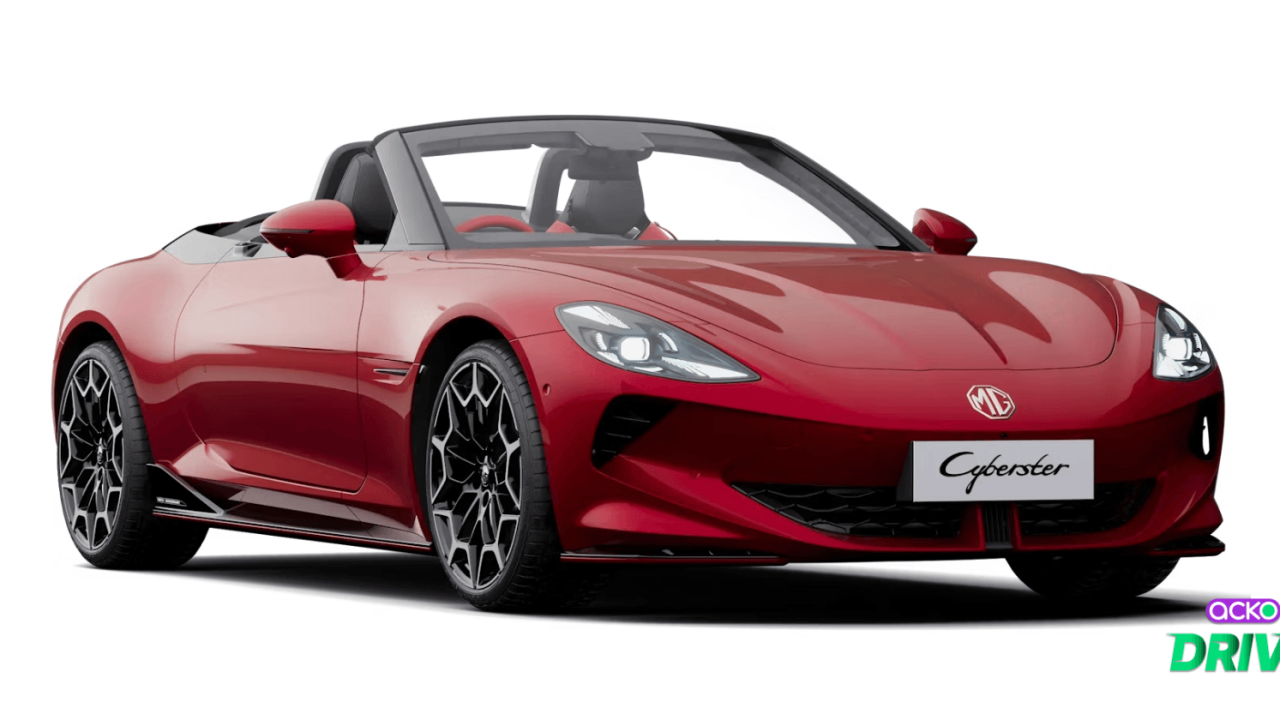

There are journeys that ask you to slow down and look, and there are cars that make the world look new. For three days I took the MG Cyberster out of the showroom and onto a ribbon of road that threaded coastline, vineyards and a mountain pass. This is a travel piece as much as a review — part road diary, part style study — because the Cyberster is not simply transportation. It’s a design-driven statement: a modern electric roadster that wants to be seen as much as it wants to be driven.
Why I chose this trip
Roadsters are best judged with the top down and the map unfolded. I planned a route that would let the Cyberster show how it handles a variety of moods: urban boulevards for arrival glamour, a windswept coast for drama, open secondary roads for rhythm, and a short mountain climb for poise. The trip was deliberately varied — not to chase lap times, but to see how the car fits into the lifestyle it evokes: chic, spontaneous, and a little theatrical.
First impressions: design that commands attention
The moment I rolled the Cyberster out of the dealer it attracted stares. That was unsurprising. This car reads like a conversation between classic British roadster cues and contemporary digital elegance. Low-slung proportions, a long hood and a compact, sculpted rear give it the silhouette of an old-school two-seater; at the same time, crisp surfaces, precise creases and modern lighting details stop the look from feeling nostalgic. It’s retro-referenced but resolutely future-facing.
On the road, the Cyberster behaves like a style ambassador. Pull up at a café or a lookout and people slow to appreciate the details: the way the light plays on the flanks, the ceramic-like finish on certain trims, and the cockpit’s wraparound feel. In short, the Cyberster succeeds at one of my main measures: it makes you want to be in it.
The route: a three-day loop for mood and movement
Day 1: City to coast — Arrive in the city, pick up the Cyberster, and make a polished exit through glass canyons and palm-lined avenues. The idea was to have the car earn its complements before we hit open road.
Day 2: Coastal sweep — A long morning along a dramatic coastline. Salt spray, cliffs, and a sequence of sweeping corners to judge composure and character with the roof down.
Day 3: Vineyards and climbs — Inland, through vineyards and a short mountain pass that tested balance and driver confidence. Finish at a lakeside village for a sunset dinner and a final look at the car’s silhouette.
Cabin life: style and sensory detail
Step inside and the Cyberster’s interior reveals its intent: intimate, driver-focused and modern. The cockpit feels like a small stage. Controls are presented clearly; the steering wheel frames a digital display, and a central screen leans toward the driver. Surfaces combine tactile materials — soft padding and textured accents — and there’s a quiet sense of premium restraint. This is a car that chooses aesthetic harmony over flashy gimmicks.
Practicalities for two people on a road trip were thoughtfully addressed. The seating position is low, which amplifies the roadster experience, and the seats held me comfortably over several hours. There’s some trade-off in luggage space — this is still a two-seater with a sporty focus — but the luggage I packed for a long weekend slipped into the trunk and the cabin without fuss.
Technology and connectivity (what’s visible)
The Cyberster’s tech package felt contemporary without being overwhelming. A clear digital instrument cluster and a central touchscreen provide the key interfaces. Infotainment responses were smooth, and the cabin maintained a calm ambience — a useful feature on long scenic stretches. Driver assistance features were present, offering a degree of comfort on highways and during low-speed urban maneuvers.
One of the car’s strongest style moves is how tech is integrated. Screens and controls are enveloped by thoughtful trim rather than sitting on top of it. The result is an interior that looks cohesive and intentional — exactly the aesthetic statement I expect from a modern trend-forward roadster.
Driving dynamics: how it felt on the road
The most important thing about a roadster is the relationship between car, driver and road. The Cyberster delivers that connection with clarity. Acceleration felt instant and smooth — the hallmark benefit of an electric drivetrain — and the delivery was easy to modulate in everyday driving. Around town the car was lively and responsive. On faster stretches and sweeping bends it remained composed.
Steering is communicative, offering a confidence that invited more enthusiastic inputs on twisty sections. The chassis felt well-tuned for this character: balanced, with a playful side when you want it and a reassuring steadiness when you ask for composure. On the mountain pass, the Cyberster kept its composure through changing gradients and tighter corners, rewarding a calm, engaged driving style.
Ride quality was generally comfortable for a car of this intent. Potholes on minor roads were absorbed without the cabin becoming unsettled, and the Cyberster maintained a planted feel at speed. The low center of gravity — a common electric vehicle advantage — gave the car an assured stance through corners that made the driving experience feel sculpted and modern.
Roof-down poetry: why the roadster format still matters
There’s something about open air that transforms a route. With the roof down, the Cyberster turned the coastline into a moving theater: waves crashing, gulls cutting across the horizon, and salt tang alive in the cabin. The car’s audio and wind management were good companions; conversation stayed easy at most cruising speeds and I never felt the need to retreat quickly to the shelter of a hardtop.
A roadster is less about raw practicality and more about the elemental joy of driving. In that sense, the Cyberster nailed what I was there to experience: connection, immediacy and the unmistakable thrill of a top-down day.
Practical travel considerations
On a multi-day road trip in an electric roadster, planning is part of the ritual. I organized charging stops to match cafés or viewpoints — part of the travel rhythm — and found that short top-up breaks integrated well into the itinerary. The car’s user interface made locating charging points straightforward and the cabin’s comfort made brief waits pleasant.
Two things to note: luggage limits and passenger space. If you’re planning a week-long escape with two big suitcases, you might need to pare down. For stylish weekend getaways and short tours, however, the Cyberster’s layout is more than capable. What you gain in personality you give up in boot capacity — a trade many buyers will happily accept.
Scenic highlights and the Cyberster’s best angles
Driving a car like this is as much about the photos as the performance. The Cyberster framed each panorama beautifully. Against cliffs and through shafts of late light it looked cinematic. I stopped at a cliffside overlook at golden hour and watched how the contours of light and shadow animated the bodywork. The design rewards curiosity: tucked angles reveal intricate details; broader views show its balanced proportions.
At a hilltop vineyard the Cyberster’s compact stance contrasted with the rows of vines, creating a modern-meets-traditional tableau that felt entirely of-the-moment. These are the kinds of visuals that speak to a new generation of buyers — people who want their car to complement a lifestyle and be part of the narrative of their trip.
Market context and style positioning
Electrification is changing how we think about forms and proportions. Roadsters historically celebrated lightness and mechanical immediacy; electric propulsion rewrites some of those rules by removing bulky engines and rethinking packaging. The Cyberster shows how design can fuse classic archetypes with contemporary technology. It’s less about nostalgia and more about reinterpretation — a future-oriented roadster that nods to its past without being burdened by it.
In today’s market, buyers are looking for cars that do more than move from A to B: aesthetics, brand identity and social signaling matter. The Cyberster is savvy here — it’s a statement piece for people who see cars as an extension of personal style. It doesn’t pretend to be the everyman’s daily driver; it’s a curated choice for weekend escapes, city arrivals and cinematic coastal runs.
What surprised me
Two things stood out on this trip. First, how well the Cyberster balanced presence and subtlety. It’s loud where it needs to be — in design and stance — but quietly confident in execution. Second, how natural the electric drive felt in a roadster format. Immediate torque and low center of gravity enhance the core pleasures of a two-seater without feeling like a gimmick.
Final thoughts: who should consider the Cyberster?
If you value design, driving nuance and the social cachet of a stylish roadster, the Cyberster is worth a look. It’s an emotional purchase, a lifestyle choice: you’re not buying this car purely for cargo capacity or commuter efficiency. You’re buying the experience — the look, the feel, the weekend narratives it enables.
For me, the Cyberster belonged at the head of my short caravan of weekend escapes. It turned a three-day driving loop into a curated collection of moments — style snapshots framed by coastline, vineyards and mountain air. It’s a car for people who want their travels to have a strong visual signature and who appreciate the craft of modern design.
Parting image
On the last evening I parked the Cyberster by a lakeside café. Twilight softened the details and the car took on a quiet glamour. People walked by, glanced, then smiled. That’s when I knew the trip had been successful: the car made the world look better, and the journey made the car meaningful. That is the essential promise of a roadster, and in my time with it, the MG Cyberster delivered.
— I drove the Cyberster on public roads as part of a curated long-weekend route. This review focuses on design, real-world driving impressions and travel experiences rather than technical measurements.
I spent three days with the MG Cyberster (2025) chasing coastline light, sneaking through vineyard lanes and climbing a short mountain pass — and it delivered exactly what it promises: an emotional, style-first electric roadster that makes every short escape feel curated. With the roof down the car amplifies scenery and company, the cockpit feels intimate and modern, and the chassis balance kept me confident on winding backroads while still being comfortable on the long coastal sweep. This isn’t a driveway staple for hauling everything; it’s a weekend passport, a camera-ready companion and a conversation starter. If you buy a Cyberster, you’re buying into moments — sun, sea, switchbacks and headlines — rather than pure practicality. I loved driving it for the way it turned travel into theatre.
Specifications
| Specification | Value |
|---|---|
| Manufacturer | MG |
| Model | Cyberster (2025) |
| Market | UK |
| Body style | Two-seat Roadster (open-top) |
| Powertrain | Electric |
| Seating capacity | 2 |
| Interior | Driver-focused Cockpit With Digital Cluster And Driver-tilted Screen |
| Luggage | Limited, Suitable For Weekend Trips |
| Roof | Open-top / Strong Roof-down Experience |