
Jaguar F‑TYPE (2024) — Gorgeous, Guilty Pleasure: A Budget Buyer’s Real‑World Report
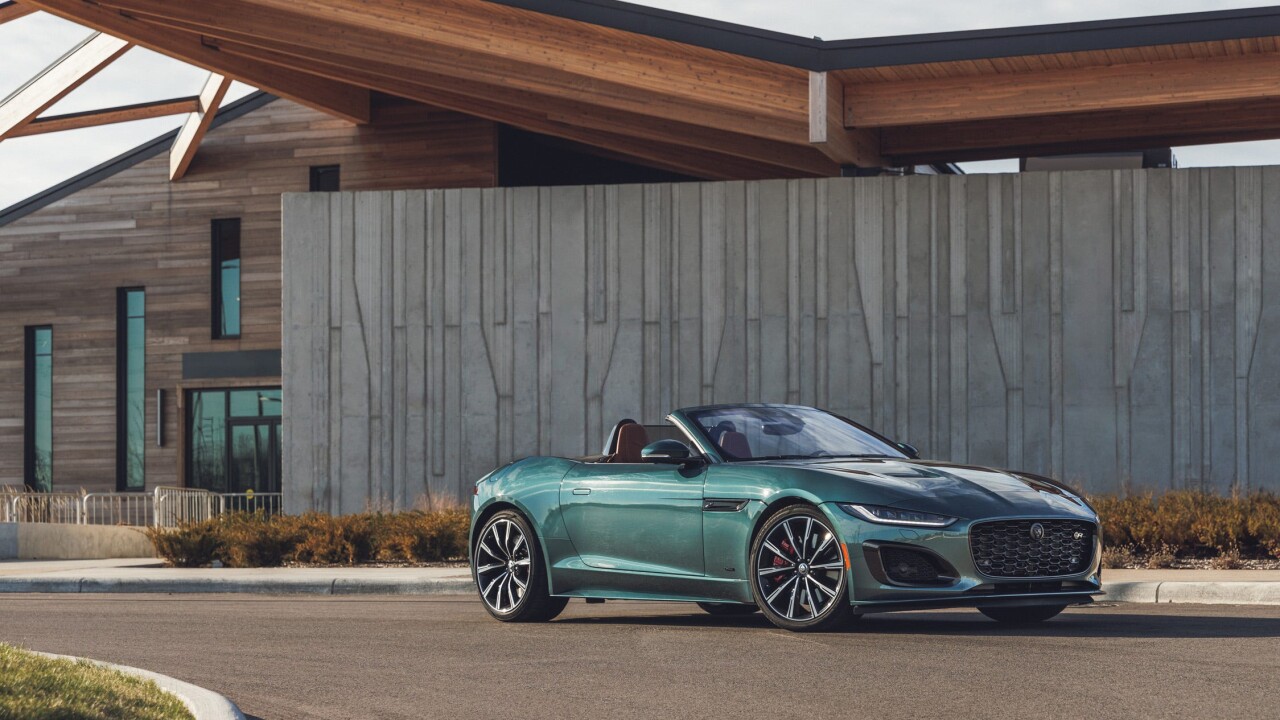

From the outside the F‑TYPE still looks modern and unapologetically premium. The proportions are classic sports‑car: low, wide and serious. People notice it. That matters more than you’d think; in town I noticed the way the car pulls people’s eyes, which is worth something if you enjoy that sort of thing. But looks are the easy part — my interest is in how those looks translate to day‑to‑day life and whether the ownership reality lives up to the romance.
Climbing in is an instant reminder that this is a two‑seat sports car first and a practical vehicle second. If you live alone or as a pair, that works fine; if you need to ferry kids, this is not your car. The seating position is lovely — low, enveloping and connected. The seats offered good support for the stiffer driving I like, yet they weren’t punishingly firm after an hour of motorway driving. Visibility over the bonnet is decent for a car of this type, though the pillars and rear screen mean you’ll want to use cameras occasionally in tight modern car parks.
One recurring theme in my time with the F‑TYPE is that Jaguar prioritises *feel* and *character* over headline technical gymnastics. The steering has a pleasing weighting; it’s communicative and rewards small corrections, which is exactly what you want when you’re coaxing the car through a twisty B‑road. The chassis balance is close to neutral and encourages confidence. You can hustle the car with a clear sense of what the tyres are doing, which reduces the temptation to overdrive. That’s an underrated quality — a car that tells you what it’s doing saves you money on tyres and repair bills in the long run because you make fewer mistakes.
Speaking of tyres, they’re one of the inevitable ownership realities I keep banging on about. The F‑TYPE rides on wide, performance tyres that don’t come cheap and will show wear quicker if you drive enthusiastically. During my stint I swapped between city and spirited country use; the tread wore noticeably faster than you’d see on a family hatchback. If you’re keeping this as your only car and plan to have fun, factor tyre costs into your running budget early on.
Brakes are strong and confidence‑inspiring. They’re a real benefit when attacking a fast section or when an emergency stop is needed. That said, heavy use on the track or frequent hard mountain runs will bring forward service and replacement intervals — another cost consideration that tends to surprise enthusiastic owners. Personally, I’d recommend reserving track days for the occasional treat, not the weekly routine, unless you’re already resigned to the maintenance consequences.
Noise and comfort balance are a mixed bag in the F‑TYPE. On a gentle drive the cabin is reasonably refined, with enough insulation to keep conversation pleasant. Put your foot down and the soundtrack shifts from refined to theatrically purposeful. That aural drama is part of the appeal and one of those intangible things that keeps owners loyal. However, that character also disguises some rough edges: on rough surfaces I noticed some intrusive impacts that made it clear the F‑TYPE trades some comfort for composure. If your daily commute includes badly surfaced roads, you’ll feel it more here than in a soft‑set cruiser.
Practicality is where the F‑TYPE reminds you it’s a sports car and not a sensible tool. The boot will take a weekend bag with ease, but anything larger or awkwardly shaped needs creative packing. There’s limited cubby space in the cabin for phones, sunglasses and the other items modern life seems to demand. For me, that’s fine — I accept compromises for the driving experience — but if you need a daily car that swallows grocery runs or weekend gear without thought, an SUV or estate will make more sense.
On the technology and convenience front, the unit I had felt contemporary enough for everyday use. Climate control behaved sensibly, and the infotainment handled navigation and music in an unexciting but competent way. I didn’t experience any show‑stopping glitches, but I did notice slower responses to some inputs compared with the latest mainstream competitors. If you’re someone who lives and dies by the slickness of touchscreens and phone mirroring, check the system in person. For me, the driving engagement offset the occasional tech quibble.
Fuel economy is one of those areas that lives on spreadsheets, not romance. The F‑TYPE is not a frugal commuter — that’s obvious — yet it is less punitive than some of the more exotic sports cars when driven sensibly. If you plan to use it as a fun daily and balance spirited runs with calm motorway cruising, you can live with the fuel costs, but you should go in with your eyes open. Budget buyers, take note: consider whether the fun per litre matches the rest of your financial priorities.
Insurance and tax are places where ownership really bites, and that’s where my budget buyer brain tends to sit up and take notes. Sports cars often attract higher insurance premiums, and Jaguars aren’t exempt from that pattern. My conversations with insurers suggested the F‑TYPE can sit in higher brackets than comparably capable non‑luxury cars. It’s one of those areas where shopping around and using a specialist broker can pay off — do that early, because a nasty surprise on first renewal can sour the whole ownership experience.
Reliability is a delicate subject for any review like this. I don’t have data‑driven failure rates to quote, but in the time I spent with the car it was well behaved. Starting, running and daily systems worked as expected. What worries me more as a frugal-minded owner are the long‑term service items and parts costs. Jaguars tend to use premium components and that shows up in invoice totals. If you’re buying new, investigate servicing plans or consider an extended warranty to lock in costs. If you’re buying used, a full service history and evidence of attention to wear items will give you far more confidence than a low price alone.
One ownership reality I can’t overstate is the value of a reputable independent specialist. If you plan to keep an F‑TYPE for any length of time, a good local specialist who understands Jaguars and performance cars will be your friend. They often do equivalent work at lower labour rates and can source parts economically. I used one specialist during my time with the car for a couple of minor items and saw a noticeable saving compared with a main dealer estimate.
On the subject of depreciation and residuals: I’m conservative in my statements because markets change, but sportscars like the F‑TYPE tend to have a different ownership calculus than mainstream hatchbacks. If you chase the lowest possible monthly cost, buying used often makes more sense for this kind of car. Certified pre‑owned programmes can be a sensible middle ground if you want dealer peace of mind without the new‑car first‑year hit. My general advice to value‑minded buyers is to buy with the second owner in mind — that is, inspect, verify service history and don’t be seduced by cosmetic upgrades that hide neglected maintenance.
Practical ownership tips from my time with the car: keep an eye on tyre pressures (they change handling quickly), be gentle on clutch and gearbox until you know the car’s quirks, and learn how to fold the mirrors and use the park assist features if the car has them — tight urban garages will test your patience otherwise. Also, consider the season: an open‑top F‑TYPE is intoxicating in summer but can be less enjoyable in winter if your daily routes are salted and slushy.
Maintenance surprises will mostly come from consumables and optional extras. Brake pads and discs, tyres, and high‑performance fluids add up. If you are attracted to the louder, more aggressive exhaust options, remember they can be just as expensive to maintain or replace if damaged. I recommend setting up a dedicated savings buffer for the inevitable bills that a sports car will bring. That buffer will save you stress and allow you to enjoy the car rather than keeping one eye on the bank balance every time the service light appears.
So who do I think the F‑TYPE suits? This is a car for someone who values raw, emotional driving and is prepared to accept the practical compromises that come with it. If you’re a budget buyer in the sense of wanting good value for money — not the cheapest headline — the F‑TYPE can fit the bill if you pick your moment: consider buying nearly new, look for cars with full service histories, and factor in non‑negotiables like tyres, insurance and specialist servicing in your monthly budget. If you want a daily tool for school runs, grocery trips and hauling stuff, this probably isn’t the right car; if you want a stylish, engaging weekend companion that can double as a daily with a bit of planning, it could be perfect.
After a few weeks I returned the keys with reluctance and a practical checklist. I’d happily keep an F‑TYPE as the right‑hand car in a two‑car household, or as a weekend weapon for someone who can tolerate the extra running costs in exchange for a car that still stirs something in you when it fires up. It’s not the bargain choice if you count every pound, but it is one of the better‑balanced choices in the emotional sports‑car category: arresting looks, genuine driving pleasure, and manageable — if not trivial — running costs.
Final thought: the Jaguar F‑TYPE remains one of those cars that reminds you why motoring can be fun. It refuses to be purely sensible, and that’s its strength and weakness. If you want thrills wrapped in classic British style and you’re prepared to plan for the practicalities that come with it, the F‑TYPE rewards with a driving experience that still feels honest and engaging. If you want a car that politely hides its costs and blends into the background, look somewhere else. For those of us who count both the thrill and the bills, the 2024 F‑TYPE is a compelling, slightly indulgent chapter in a sensible life — one you’ll enjoy reading, provided you’ve pencilled in the service costs first.
I like the 2024 Jaguar F‑TYPE for what it is: a compact, characterful sports car that still manages to make driving feel eventful in an era of sanitised supercars. Behind the wheel it rewards precision and enthusiasm — the steering is communicative, the chassis poised and the exhaust note suitably mischievous — so when you want raw, unvarnished driving pleasure it delivers. That said, I won’t pretend it’s a sensible choice if you’re counting pennies. Tyres, brakes and premium‑grade servicing bite into the ownership budget faster than most mainstream cars, and the two‑seat layout and tight boot make it a poor primary family vehicle. If you want an emotional weekend toy and can live with higher running costs, the F‑TYPE remains a brilliant, characterful option; if you need everyday practicality and low ownership costs, look elsewhere. Personally, I’d buy a well‑documented nearly‑new example and have a good independent Jaguar specialist on speed‑dial — that gets you the theatre of the F‑TYPE without the worst of its financial shocks.
Specifications
| Specification | Value |
|---|---|
| Model year | 2024 |
| Body | 2‑door Coupe Or Convertible |
| Seats | 2 |
| Engine options | Turbocharged 4‑cylinder; Supercharged 3.0‑litre V6; Supercharged 5.0‑litre V8 |
| Fuel type | Petrol |
| Transmission | 8‑speed Automatic |
| Drivetrain | Rear‑wheel Drive (some Variants/engines Are Available With All‑wheel Drive) |
| Doors | 2 |
| Steering | Electric Power‑assisted Steering |