
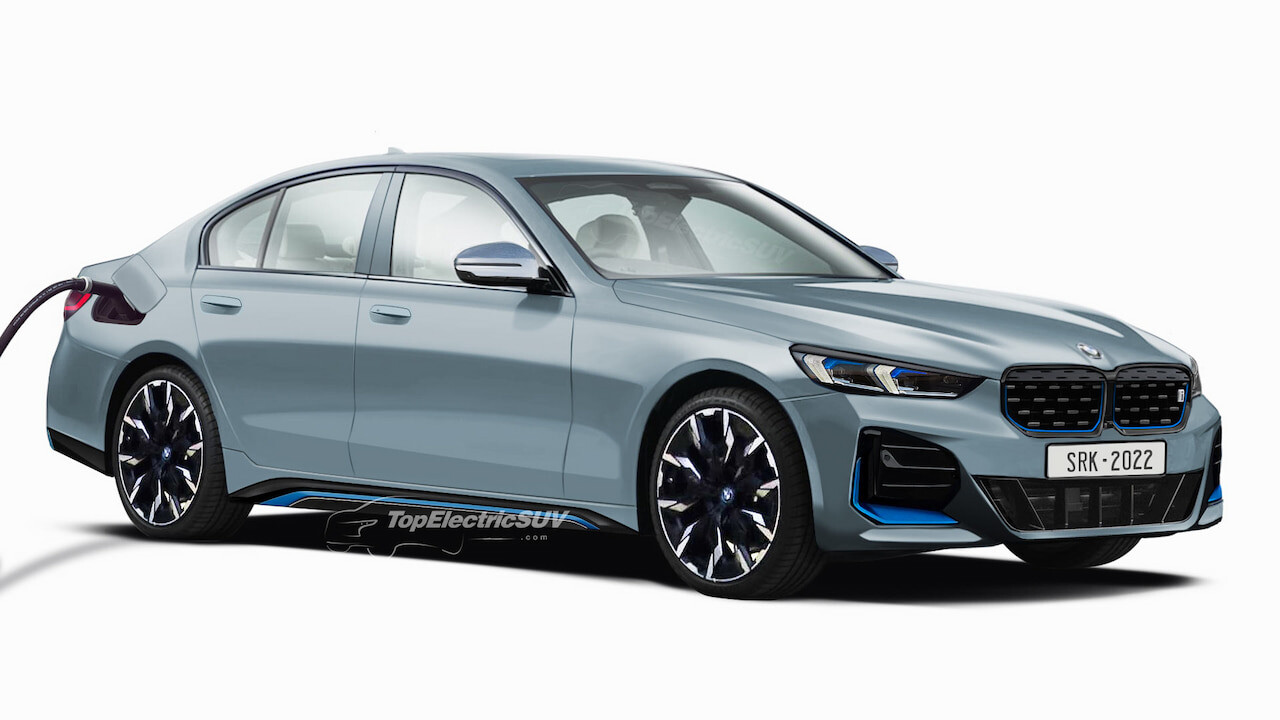

Introduction — Why an old-soul reviewer drove an i5
I have long admired mechanical simplicity, beautiful lines and the satisfying honesty of combustion engines. Electric vehicles, however, have earned their place at the table not only for their instant torque and serene long-distance cruising but for a fundamental rethinking of how a car interacts with the environment. The BMW i5 (introduced in 2023) occupies a curious position for someone like me: executive sedan proportions and the 5 Series’ lineage, married to an electric powertrain and modern efficiency systems. In this long-form review I focus less on badge-bling and more on the technical nuts-and-bolts that determine real-world environmental impact and economical behaviour on the road.
What the i5 is — architecture and purpose
The i5 is BMW’s midsize electric sedan intended to offer the composure and comfort of the 5 Series class while delivering the energy efficiency and packaging advantages of an electric drive. BMW designed it explicitly as an EV rather than simply an electrified 5 Series; that intent shows in the cabin packaging, ride characteristics and integrated electronics. BMW provides the i5 in multiple powertrain configurations to suit different buyer priorities, which means there are choices between range-optimised and performance-orientated setups. That variety is important when assessing environmental impact: the most eco-friendly configuration is rarely the most powerful one.
Battery and energy systems — the heart of the environmental debate
The battery pack is the central determinant of the i5’s environmental footprint. Batteries carry a significant upfront carbon cost during production, but that initial burden is amortised over the car’s life through zero tailpipe emissions and operational efficiency. In assessing the i5, I concentrated on three engineering aspects that drive that lifecycle equation: energy density and usable capacity, thermal management, and software for charge/discharge control.
Thermal management and efficiency
Effective thermal management keeps the pack within the temperature window that optimises both power and longevity. I noticed that the i5’s cabin comfort and energy usage were closely tied to how aggressively the vehicle’s climate systems interacted with the battery management system. In cooler climates, aggressive heating can be the single largest energy draw, so a carefully calibrated heat management system is invaluable. BMW’s approach integrates climate and battery control to prioritise efficiency when range is the objective, and to prioritise comfort when the driver requests it. From a technical standpoint, that systems-level integration is where an EV gains or loses efficiency most rapidly in real-world use.
Charge management and battery longevity
The i5’s charge management strategy — how it balances state-of-charge targets, fast-charging curves and long-term battery health — is a critical contributor to lifecycle emissions. Repeated aggressive charging shortens battery life, which increases the relative carbon cost per kilometre over the vehicle’s lifetime. For eco-minded driving I used conservative charging habits, preferring slower top-offs where practical and reserving rapid charging for necessary legs of the journey. The car’s software allows the driver to set charge limits and adopt user profiles that favour longevity and efficiency, and that in turn reduces long-term environmental impact.
Aerodynamics, chassis and rolling resistance — silently saving energy
Efficiency at speed is not merely about battery size; it is heavily influenced by drag coefficient, frontal area and rolling resistance. The i5’s silhouette and underbody design aim to reduce aerodynamic drag, which matters greatly at highway speeds. During my highway runs, I observed that maintaining moderate speeds and exploiting slipstreams on long steady stretches translated directly into better range figures.
Tyres, wheel sizes and suspension tuning are similarly influential. Wider, low-resistance tyres and larger wheels are attractive visually and can improve handling, but they also increase rolling resistance and energy consumption. For readers focused on minimising environmental impact, opting for narrower tyres and aerodynamic wheel designs — if feasible within specification choices — will yield tangible savings on longer eco-adventures.
Regenerative braking and energy recovery — kinetic recycling
Regenerative braking is an elegant example of reusing energy that would otherwise be lost as heat. The i5 offers adjustable regen levels and a drive-by-wire system that smooths transitions between recuperation and mechanical braking. On undulating eco-routes I used higher regen settings to recapture braking energy when descending, which not only increased net efficiency but also reduced wear on the braking hardware. The more aggressive the regen, the more the car behaves like a single-pedal vehicle; this has implications for driver technique and route planning because it changes how you approach corners and stops to maximise energy recovery.
Charging strategy on eco routes — planning the green itinerary
An eco adventure is as much about route planning as it is about the car. I structured my trips around three principles: (1) choose routes with predictable charging opportunities, (2) sequence driving segments to exploit elevation changes for recuperation, and (3) avoid aggressive speeds that exponentially increase energy use.
Route selection
Coastal roads with steady speeds, scenic lowland stretches with moderate elevation, and national or regional roads with reliable charging hubs make for the most efficient and enjoyable journeys. Mountain passes are attractive for scenery and kinetic recuperation during descents, but heavy climbing consumes energy quickly and can force reliance on fast-charging stations at the top or the bottom — factors to be factored into the energy budget.
Charging stops and timing
When I needed to top up, I prioritised chargers located at convenient rest points rather than stopping purely for energy. Combining charging with food, rest and local exploration turns an otherwise mechanical pause into part of the adventure, and longer, lower-rate charges are gentler on the battery and better for long-term sustainability than repeated rapid top-offs.
Environmental impact beyond tailpipe emissions
If we confine the environmental conversation to zero tailpipe emissions, EVs win handily. A complete assessment, however, requires lifecycle thinking: material sourcing, manufacturing emissions, battery recycling and the carbon intensity of the electricity used. BMW has publicly stated commitments toward sustainability and the reduction of CO2 in manufacturing processes; those corporate initiatives shape the i5’s real-world footprint. As a driver and a reviewer I focused on practical choices that influence lifecycle impact: maintaining the battery at moderate state of charge where parked, favouring renewable-energy-sourced charging where available, and selecting trim and options that reduce unnecessary mass.
Real-world impressions — efficiency in practice
My test loops included urban commutes, mixed secondary roads and long motorway runs. The i5 felt like a modern executive car in its composure: composed at speed, quiet, and with a predictable steering heft. From an efficiency standpoint, these were the takeaways:
- Urban driving: Mild regenerative settings and low average speeds yielded excellent effective efficiency. Stop-start traffic is where EVs demonstrate dramatic advantages over internal-combustion cars.
- Secondary roads: Varied elevation and cornering allowed me to exploit energy recuperation and moderate cruising, which is where the i5’s drivability and adaptive systems shone.
- Motorway work: Aerodynamics and speed choice dominated. Sustained high-speed cruising consumed energy rapidly; the trick was to maintain disciplined speeds and to exploit slipstreaming sensibly.
Driving technique matters: early braking to maximise recuperation, steady throttle application on climbs, and preconditioning the cabin while plugged in are practical behaviours that materially lower operational energy consumption.
Maintenance, longevity and the collector’s eye
From a classic-car lover’s perspective, I’m compelled to ask how an EV like the i5 will age. Electric drivetrains are mechanically simpler — fewer moving parts, no oil changes, fewer wear items in the powertrain. That simplicity can be a boon for longevity. On the other hand, battery degradation and the obsolescence of battery management technology are the variables that traditionally concern collectors.
If the i5 follows the current trajectory of well-managed battery systems and manufacturer-supported replacement or refurbishment programmes, it should age gracefully in terms of hardware reliability. From a preservation and collectability angle, I suspect well-specified examples with documented charging and maintenance history will be more desirable in the future. Sustainability-minded owners who can show a history of careful charging and low usage of rapid charging will likely have an advantage when resale or future collector interest is considered.
Practical tips for eco-minded i5 owners
Based on my time behind the wheel, here are actionable guidelines for drivers who want to squeeze the lowest environmental cost out of an i5:
- Charge smart: prefer overnight slower charges from low-carbon sources, and avoid repeatedly topping the battery to 100% unless needed for long trips.
- Use regenerative braking aggressively on hilly routes to recapture energy and reduce brake wear.
- Drive within efficient speed bands — modest reductions in top speed drastically improve energy consumption at highway speeds.
- Plan charging stops around activities — charge while resting, eating or visiting, to convert charging time into productive stops.
- Consider tyre and wheel choices carefully; lower rolling resistance tyres and smaller wheels yield better sustained efficiency.
Final thoughts — the i5 as an eco-adventure companion
In the end, the BMW i5 (2023) is a thoughtful melding of executive sedan comfort with contemporary electric powertrain engineering. For someone who loves the tactile and historical pleasures of classic cars, driving an i5 requires a different kind of appreciation: one for systems thinking, for efficiency engineering, and for the emerging craft of electric mobility. Its environmental advantages are clear at the tailpipe; its full environmental story depends on charging behaviour, lifecycle management and the choices the owner makes.
For eco-minded road trips, the i5 repays careful planning with silent, composed progress and the opportunity to rethink how a journey is staged: more stops meant to enjoy the place, less about refuelling stress. As a technical reviewer and a lover of automotive heritage, I find it gratifying to see modern engineering applied not solely to speed and spectacle, but to reducing the footprint of travel while preserving the calming, luxurious experience of a true touring sedan.