
Let's Go on a Trip: The Ford Fiesta — Price & Specs, With My Wheels on the Map
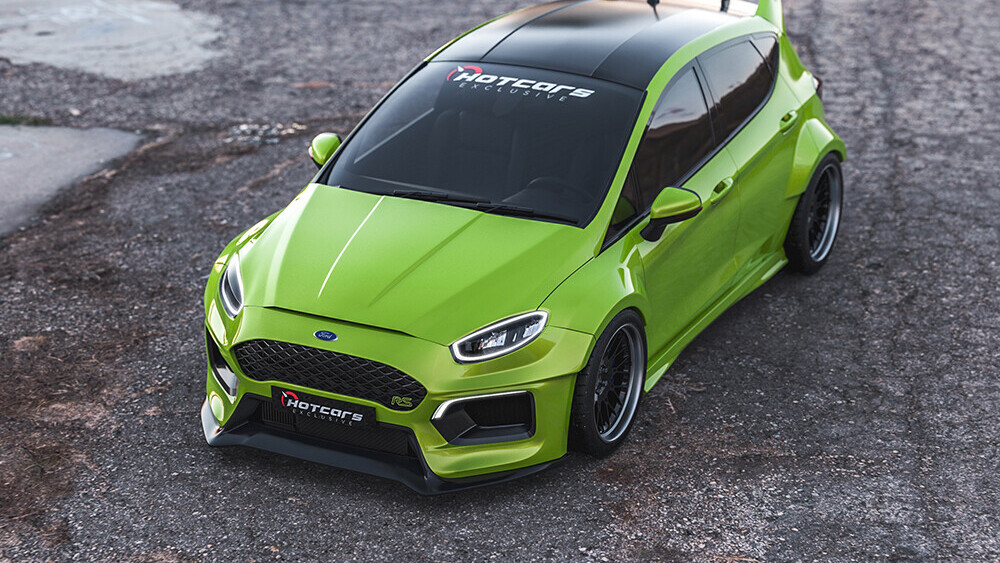

Packing light: A trip, a camera, and a Fiesta
Design that still reads modern
The lines are clean and youthful. From a trendsetter's standpoint, the Fiesta ages well because it never tried to look futuristically overwrought; it favored proportion and detail. The signature grille and taut flanks create a stance that reads much more expensive than the sticker might suggest. Inside, the cabin aims for usefulness with a splash of style: simple surfaces accented with color and tactile switches that feel like they were designed to be used, not merely photographed.
Driving dynamics: Small, sharp, and unapologetically engaging
Now to the part that makes you choose a Fiesta over a similarly priced commuter box: the driving experience. On the winding coast road, the Fiesta showed its true colors. The steering is precise, communicative and quick — not the numb, floating kind you dread in many modern small cars. It invites you to place the car mid-corner and trust it there. The chassis has a tautness that resists understeer better than most of its class-mates; roll is controlled, and the suspension lets you feel the road rather than isolating you from it. That doesn't mean the ride is punishing. On less-than-perfect pavement, the car smooths out the details without making them disappear entirely — a balance many rivals try and fail to find.
Power and transmission: A nimble package
Across markets the Fiesta has been offered with a variety of small-displacement engines and transmission choices. Whatever the specific powertrain in front of you, the Fiesta's light weight and chassis tune make acceleration feel brisk in real-world driving. Gearboxes tend to be well-matched; manual shifts are mechanical and direct, while the automatics are calibrated to favour everyday usability. If you get behind the wheel of a Fiesta ST — the hotter variant — expect the grin-inducing pace associated with a bona fide hot hatch. For the normal range, the trade-off is excellent drivability and respectable fuel economy without turned-up theatrics.
Interior: Design-forward, driver-focused
The interior is where the Fiesta reveals its intent: a small car that doesn't accept being overlooked. Controls are oriented toward the driver, the instrument cluster readable at a glance and the center stack uncluttered. Materials can vary by trim — the touchpoints are generally pleasant for the segment, though some plastics betray the car's value-focused roots if you poke around. Infotainment comes courtesy of Ford's SYNC systems in many versions, which deliver smartphone connectivity and straightforward menus; not the flashiest tech on the block, but dependable and largely distraction-free for driving.
Practicality and everyday use
For city living, the Fiesta's compact footprint is a blessing. Parking, lane changes and squeezing into tourist town squares are tasks performed with ease. For longer trips, rear-seat space is sensible rather than cavernous — adults can manage short-to-medium stints comfortably. Cargo capacity is good for a subcompact hatch: you'll fit what most couples need for a weekend away; anything more ambitious requires creative packing and optimism.
Safety and equipment
Safety features common to the Fiesta range historically include multiple airbags, ABS and stability control, alongside optional driver-assistance features in higher trims. Ford has progressively fitted more safety tech as generations have rolled on, but availability depends on market and model year. If safety packs are important to you, check the specification list of the exact vehicle or trim you are considering — don't assume parity across regions.
The market angle: Price, positioning and the end of an era
When you look at the price bracket the Fiesta occupied, its value proposition is clear: fashionable design and fun handling at an accessible price point. It appealed to first-time buyers, style-conscious urbanites and anyone looking for a lively daily driver without corporate SUV bluster. Recently, the Fiesta's place in Ford's lineup has shifted as the company reoriented toward SUVs and electrification. Production of the then-current generation concluded in 2023, which makes the Fiesta feel like a cherished last note of a lighter, more playful era of small cars.
On the trip: coastal bends and mountain mornings
On day one I took the Fiesta along twisty sea roads, windows down and the stereo playing something upbeat. The car skimmed turns with a grin-inducing alacrity; it wasn't about straight-line speed as much as brisk, communicative movement. Day two took us uphill where switchbacks demanded confidence. The Fiesta delivered it — not because it outran anything in a straight line, but because everything else aligned: brakes that feel believable, a chassis that responds to subtle inputs and enough torque in the mid-range to let you hustle without hunting for revs. It made the experience feel effortless, which is where tiny cars win: they turn the act of driving into a compact, focused pleasure rather than a logistical chore.
Criticisms — and yes, there are some
No car is perfect, and the Fiesta has a few places where trend-conscious drivers might raise an eyebrow. Interior space, while cleverly used, is strictly class-appropriate — if you're planning long family tours or regularly carting tall adults, consider something larger. Infotainment, while functional, doesn't always match the slick graphical polish of newer systems from rivals. Finally, because Ford shifted priorities and production ended, long-term parts availability and future resale values may vary by market; it's sensible to research local support before committing to a used purchase.
Final thoughts
Driving the Fiesta on a real trip reaffirms what many owners already know: size isn't a drawback when everything else is thoughtfully calibrated. The Fiesta remains one of those rare small cars that can make a mundane commute feel like a mini-adventure and be perfectly competent as a weekend companion. Its sense of style and its driving honesty are a duo that few competitors in its segment balance as well.
If you're looking for an affordable car that rewards your right foot and your aesthetic sense in equal measure, the Fiesta is worth a very serious test drive. It won't make your life larger, but it will make your driving better — and that, for many of us, is the point.
Specifications
| Specification | Value |
|---|---|
| Model | Ford Fiesta (various Generations/markets) |
| Body style | Subcompact Hatchback (3-door And 5-door Variants; 4-door Sedan In Some Markets) |
| Seating capacity | Up To 5 |
| Drivetrain | Front-wheel Drive |
| Engine | Various Small-displacement Petrol And Diesel Engines Depending On Market And Model Year (including Turbocharged Petrol Options And High-performance Variants Such As The Fiesta ST) |
| Transmission | Manual And Automatic Options Available (manual Gearboxes And Automated/dual-clutch Automatics Available In Some Trims And Markets) |
| Fuel type | Gasoline/petrol In Most Markets; Diesel Available In Some Markets And Model Years |
| Infotainment | Ford SYNC System Available In Many Trims With Touchscreen And Smartphone Connectivity (features Vary By Region And Year) |
| Safety features | Airbags, ABS, Electronic Stability Control; Optional Driver-assistance Features Available Depending On Trim And Market |
| Cargo arrangement | Rear Hatch With Flexible Loading; Rear Seats Fold For Increased Cargo Space |
| Production note | Multiple Generations Produced Globally; Most Recent Production Of The Then-current Generation Concluded In 2023 In Some Regions |
| Market positioning | Entry-level/subcompact Car Aimed At Buyers Valuing Design, Driving Enjoyment And Affordability |
| Pricing note | Pricing Varies Significantly By Market, Trim, And Model Year — Consult Local Dealer Listings For Exact Figures |
| Warranty and support | Warranty And Aftersales Support Vary By Region And Model Year; Check Local Ford Dealer Terms |