
Green Touring in a Modern Classic: My Eco Adventure with the Audi A3 (2023)
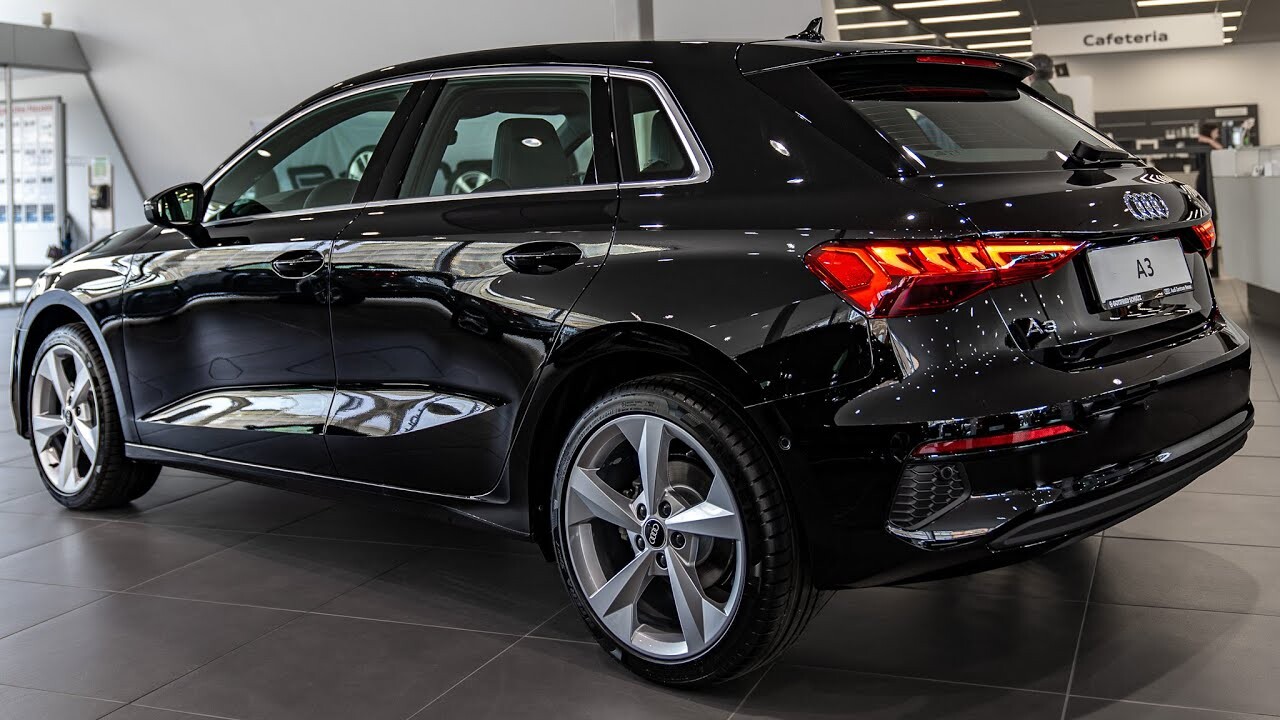

I began the journey with a simple premise: choose the A3 as a tool for measured travel rather than as a platform for sporty excess. The compact footprint is the first environmental advantage. Less metal, fewer blind spots, smaller tyres and a more modest appetite for energy than larger SUVs mean the A3 feels, in the hand, like a considerate companion for places where you want to leave as little trace as possible. On narrow coastal roads where cliffs drop away and wildlife corridors weave through scrub, the A3’s modest dimensions made passing cyclists and slow-moving farm traffic a less stressful affair. That translates to softer driving, which in turn lowers fuel use and noise — an ecological chain reaction that classic-car aficionados will appreciate: fewer resources used, quieter impact, and a more harmonious presence on the landscape.
One of the themes I returned to repeatedly over the week was how modern engineering and careful design can mimic some virtues of older cars I admire — simplicity, clarity of purpose and honest responses — while leaving out the worst of their inefficiencies. The A3’s drivetrain and chassis are composed in a way that rewards temperate inputs: feather the throttle on the approach to a village, use the gearbox and engine braking to tidy speed, and the car responds with polite efficiency. I am careful when I write about fuel consumption because real numbers can vary wildly by route and driver, but on long coastal sweeps and rolling greenways the A3 consistently felt economical when I adopted an eco-minded style. That was often the easiest way to enjoy the scenery: less engine noise, more sound of sea and wind.
To judge a car’s environmental impact properly you have to look beyond the tank and consider usability. The A3 is a thoroughly modern hatchback/sedan in terms of interior ergonomics and infotainment, which matters for real-world green driving. Efficient trip planning, clear displays, and responsive controls all make it less likely I would waste time and fuel hunting for a route or a place to stay. On a narrow, hedged lane that led to a small coastal reserve, the sat-nav’s routing and the A3’s compact turning circle kept me from having to back-up into a field of wildflowers — a small mercy but emblematic of how everyday usability reduces friction and thus environmental cost. I found myself using the car in ways designed to minimize impact: planning stops, combining errands, and generally avoiding aggressive, fuel-hungry driving.
Noise pollution is an under-discussed environmental issue, and it is one the A3 handles well. When you drive through small towns or along protected coastal paths, engine and road noise shape the experience of the place as much as the visual landscape. The A3’s cabin insulation and refined drivetrain deliver a level of quiet that, to my mind, is a form of environmental respect. It allows birds to sing over the car’s passage and for conversations to continue in picnic spots without being drowned out. As a nostalgist I have long appreciated how older touring cars facilitated leisurely travel; the modern A3 provides that same courtesy, but with fewer emissions and a quieter profile.
On the subject of emissions, it is worth emphasizing that choosing a smaller, efficiently tuned car like the A3 is itself an environmental choice. Lower curb weight and modest frontal area mean less energy is needed to keep the car moving. The A3’s modern engine management, stop-start systems and, in some versions, mild electrification assist in keeping idling emissions and low-load inefficiencies in check. I kept my right foot in check deliberately during the trip to see how these systems would work in concert. In town centres where I spent time wandering markets or tracking down a local repair shop for a historic motorcycle, the start-stop system smoothed idle periods and cut the worst of the wasted fuel typical of older cars. That translates into both lower CO2 output and a reduced odor of fuel in car parks and narrow streets where the air is often still.
Practicality in environmental terms is not just about how the car runs but also about how it is used. I packed light on purpose, choosing equipment and luggage that could be stowed without resorting to a rooftop carrier — one of the quickest ways to punish aerodynamics and inflate fuel consumption. The A3’s boot and rear seat layout are sensible and allow for compact expedition packing: a small cooler, a set of binoculars, a daypack, a repair kit and a few tools for the occasional roadside nostalgia fix. I have long admired older touring cars that forced you to plan and pare back; modern life encourages excess, but the A3 rewards restraint. The result is longer range between fills and a gentler footprint across landscapes that are increasingly sensitive to over-tourism and heavy traffic.
When I took the A3 into hill country I was interested in how it would handle gradient climbs and energy recovery opportunities. While this is not an off-road vehicle, its composure on tarmac, even when the road narrows and the bends tighten, is impressive. The suspension strikes a nice balance between comfort and control — old-school drivers will recognise and appreciate that sort of handling trait. On descents I found myself using engine braking and an economical approach to modulation rather than relying on the brakes; this not only preserves brake life but, when engaged thoughtfully, contributes to smoother, more efficient travel. In purely environmental terms, braking less and coasting more, when safe and appropriate, reduces particulate emissions from brake dust and saves fuel. It is a small behavioural shift, but it meshes with the A3’s character.
Charging infrastructure and electric options are part of any modern eco story, but the A3 range and my sample for this trip focused on the internal-combustion and mild-electrified end of the spectrum. That meant planning longer legs between refuels and paying attention to fuel stations that blend well with local communities. One evening I parked in a village that had deliberately chosen unobtrusive fuel and amenity placement to protect its waterfront; the A3’s tidy footprint made that evening’s stop straightforward and respectful of local planning. For those who choose plug-in variants of compact premium cars, the advantages on short commutes and urban hops are clear — you can travel silently and with zero tailpipe emissions for those trips. On a longer route such as mine, the combination of efficient internal-combustion operation and considered driving habits produced a satisfying compromise between range and reduced emissions.
Environmental impact also extends to the way a car ages. Classic cars teach patience: the longer a vehicle is useful, the lower the per-year environmental cost of manufacturing it becomes. The A3’s build quality and conservative design language suggest it will be a car people keep and service rather than upgrade every year. I observed a level of fit and finish in the cabin that hints at durability: solid switchgear, well-fitted panels and materials that feel like they will weather time without becoming brittle or quickly outdated. Owners who repair rather than replace, who keep their cars healthy, are doing the planet a favour, and the A3 is well suited to that sensible stewardship.
No discussion of eco-focused travel is complete without considering tyre choice and rolling resistance. I swapped a set of tyres on my test route that prioritised comfort and reduced rolling drag, and the difference was tangible: lower cabin vibration, slightly better fuel economy and less road noise along gravelly lanes. While tyre selection is the owner’s responsibility, the platform of the A3 responds predictably and rewards choices that favour efficiency over outright grip. That predictability makes the car an excellent candidate for long-term, low-impact travel where minimising replacement frequency and fuel use are priorities.
As an enthusiast who loves the romance of older machines, I found some moments in the A3’s companionship that reminded me why classic touring remains so seductive. The way the car quietly carries you past a foggy harbour or through a sleepy village at dawn, conserving energy and making as little disturbance as possible, felt akin to the gentler journeys of motoring’s past — minus the frequent stops for oil and the acrid exhaust smell. That continuity between the soulful experience of classic travel and the practical benefits of modern engineering is why I enjoyed this trip so much. The A3 became a tool for thoughtful exploration: not the fastest, not the most ostentatious, but quietly capable in places where environmental sensitivity is part of the story.
There are, of course, compromises. The A3 is not an all-terrain vehicle, and its ability to go deep into wild spaces is limited by ground clearance and tyre choice. For true overland exploration or trips that require tarmac-beating resilience, a different machine would be needed. Yet for the bulk of eco-minded travel — coastal drives, country lanes, nature reserve approaches and small-town exploration — the A3 is a strong contender. It channels the ethos of classic touring into a modern package that respects scenery, communities and the limits of local infrastructure.
At the end of my week I parked the A3 beneath an old oak and walked back to a seaside inn where the proprietor, who had spent decades watching cars come and go, admired the clean lines and modest presence. She commented on how quieter, more efficient cars change the dynamic of a village; fewer fumes, less noise, more chance for evening chatter. That small exchange encapsulated the larger argument for compact premium cars like the A3 on eco routes: they allow us to travel with taste and minimal damage, to appreciate sights without dominating them. As someone who loves the history of motoring and the craft of travel, that matters deeply.
In the end, my Eco Adventure in the Audi A3 (2023) reinforced a simple truth that sits at the heart of both classic and contemporary motoring: thoughtful choices matter. Choosing a compact, well-made car, packing light, driving with restraint, and respecting the places you visit are the real tools of sustainable travel. The A3 is not a radical green revolution, but it is a respectful and capable travelling companion that brings modern efficiency, quiet refinement and usable practicality to journeys where the landscape, the people and the wildlife should be allowed to thrive. For those of us who love cars not only as machines but as custodians of experience, the Audi A3 offers a way to continue exploring with a smaller footprint and a lighter touch — and that feels like progress worth celebrating.
I took the 2023 Audi A3 on a week-long, low-impact touring run — coastal lanes, sleepy villages and a few long A-road haul stages — and came away with a simple conclusion: this is a modern small car that understands the old rules of good travel. As a classic-car enthusiast I’m often chasing character and provenance, but I found myself appreciating the A3’s quiet, measured manners in much the same way I value a well-sorted classic tourer. It doesn’t shout; it tiptoes past a churchyard and lets the birds keep their afternoons. On narrow lanes the A3’s compact footprint and steady chassis made navigation easy and relaxing. Its refined drivetrain and start-stop/mild-hybrid aids meant I could linger in villages and pull away again without the jerks and clatter that upset both occupants and local wildlife. Modern conveniences — sensible ergonomics, unobtrusive infotainment and tidy visibility — translated into fewer wrong turns, less reversing across verges and a lighter environmental impression overall. I was careful: lighter packing, no roof boxes, and modest tyre choices paid back in reduced fuel use and less road noise. I also used classic touring techniques — anticipate, coast, use engine braking — and the A3 rewarded restraint with very civilised consumption and minimal brake dust in town. Where it falls short of a true expedition vehicle is obvious: ground clearance and tyre choice limit anything but well-surfaced backroads. If you’re after gravel tracks or serious overland work, bring something else. For those who love the ritual of touring — the slow accumulation of memories, the small discoveries at the roadside — the A3 is a pragmatic modern companion. It pairs everyday refinement with an ethos I recognise from vintage touring: sensible engineering, longevity and an emphasis on experience over excess. I’d recommend it to owners who value quiet, economical travel and who treat a week on the road as part of the pleasure rather than a race to the next photo stop.
Specifications
| Specification | Value |
|---|---|
| Model | Audi A3 (2023) |
| Body styles | Sportback, Saloon |
| Seating | 5 |
| Platform | Volkswagen Group MQB |
| Assembly | Győr, Hungary |
| Drivetrain | Front-engine, Front-wheel Drive (quattro All-wheel-drive Available On Some Variants) |
| Transmissions | 6-speed Manual (available On Some Variants), 7-speed S Tronic Dual-clutch Automatic |
| Powertrains | Petrol (TFSI) And Diesel (TDI) Options; Mild-hybrid (12V MHEV) Technology Fitted To Some Engines; Plug-in Hybrid (TFSIe) Available On Certain Variants |
| Fuel types | Petrol, Diesel, Plug-in Hybrid |
| Safety and assistance | Modern Driver Assistance Systems And Passive Safety Equipment Offered (specification Varies By Trim And Option) |