
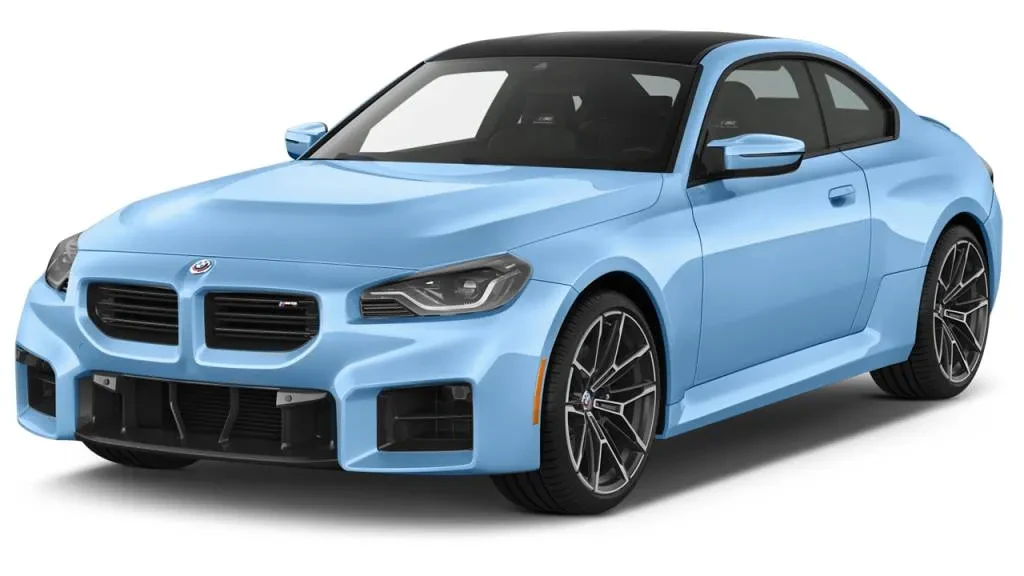

Introduction — Why the 2 Series Matters to Me
I have followed the compact BMWs for years, watching how a brand known for sporting saloons and grand tourers translated those traits into smaller packages. The 2023 BMW 2 Series sits at an interesting crossroads: it wears an immediately recognizable BMW face and promises a blend of style and performance, yet it also reflects a broader industry shift toward diverse architectures and more tech-heavy cabins. In this piece I take a retrospective look rooted in real-world experience — the kind that matters to buyers: day-to-day practicality, ownership realities, and how the car ages after months on the road.
A Brief History — From Compact Roots to a Broader Family
The 2 Series did not emerge in a vacuum. It evolved from BMW's compact line-up, which for years focused on the 1 Series and its derivatives. Over time, BMW split the compact offerings to create a distinct model family that could carry different body styles and driving philosophies under a single numeric identity. The result was a two-pronged approach: a two-door coupe that retained a rear-wheel-drive ethos and a four-door "Gran Coupe" that prioritized space and urban practicality.
What I find fascinating from a trend perspective is how BMW has diversified what a single model name can mean. The 2 Series became less of a single car and more of a small-car family that can be tailored to different tastes — the purist who wants a driver-focused coupe, and the style-conscious buyer who needs four doors and a bigger boot. That duality informs everything about the 2023 range.
The 2023 Lineup — Two Faces of the Same Name
In 2023 the 2 Series line-up is best understood as two distinct propositions sharing a badge. The coupe remains true to the brand's rear-wheel-drive roots, emphasizing balance and a driver-oriented feel. The Gran Coupe leans toward practicality: it's roomier and architecturally different, reflecting the industry's trend toward front-wheel-drive-based compact models for efficient packaging. Both variants trade on BMW design cues, but they serve different daily needs.
From my experience, owners pick the 2 Series for two main reasons: style and driving character. If you want the lean, athletic silhouette and the tactile rewards of a rear-driven chassis, the coupe is the obvious choice. If you want a compact premium car that looks sporty but also behaves as a daily driver for two adults and occasional kids, the Gran Coupe is more pragmatic.
Design and Aesthetics — The Attention to Detail
As someone who writes about trends and design, I can't overstate how important the 2 Series' visual language is to its appeal. The car reads as a contemporary BMW without being ostentatious. Lines are taut, proportions appear planted, and small details — a sculpted shoulder line, the stance, the way the glass tapers toward the rear — all contribute to a look that feels modern and desirable.
On the coupe, those proportions are particularly rewarding: short overhangs, a long hood and a compact cabin convey a traditional sports coupe silhouette. On the Gran Coupe, the roofline is stretched to create a coupe-like profile over four doors, and that has been a popular design trend across the premium segment because it combines drama with utility.
Inside, BMW has leaned into premium cues: layered surfaces, contrast stitching, and a driver-focused cockpit. It's fashionable without being fussy, and that helps the 2 Series age well over time. Owners consistently tell me they still enjoy opening the door months into ownership because the cabin looks and feels intentional.
Real-World Driving — From Commutes to Country Roads
I spent time driving both body styles in everyday contexts: busy commutes, lengthy motorway runs, and backroad weekends. What struck me was how each variant interpreted the BMW driving promise in its own way.
The coupe delivers the engaging responses you'd expect when BMW prioritizes rear-wheel drive. The steering has a communicative nature, and the whole car feels composed in corners. In real traffic, the coupe remains comfortable and surprisingly compliant over urban imperfections, but it's when the road tightens that the chassis' balance becomes the highlight of the experience.
The Gran Coupe trades some of that rear-driven dynamism for on-road ease and space. It handles confidently and is reassuringly stable at speed—qualities that make it an excellent commuter and family car. Drivers who value a relaxed daily experience while still wanting an emotional exterior design gravitate to this layout.
An important real-world note: both cars exhibit manners appropriate to premium compact vehicles. They are composed, predictable, and enjoyable to drive when you ask them to be. The difference is one of emphasis rather than of character — sharp driver engagement in the coupe, and a more all-purpose competence in the Gran Coupe.
Practicality & Everyday Usability — Who It Suits
Practicality is where the differences become tangible to owners. The coupe's compact rear quarters and trunk geometry suit singles or couples without regular rear-seat passengers. It works brilliantly as a second car or a weekend toy that doubles as a capable city runner. Owners who placed priority on style and driving feedback accepted the coupe's compromises in space as part of the bargain.
The Gran Coupe, however, is the car I recommend when the buyer needs genuine everyday utility. Rear-seat space and access are markedly better, and the boot shapes are more forgiving for daily chores. Parents and those who routinely carry cargo find the Gran Coupe more adaptable, while still enjoying a design that feels like a statement rather than a compromise.
For apartment dwellers and urban parkers, the 2 Series' compact footprint is a selling point regardless of body style. It fits into constrained spaces more easily than larger premium rivals, which is often overlooked when evaluating a car purely by spec sheets.
Reliability and Ownership — The Real Costs
Reliability is the question that often decides long-term value. From my conversations with owners and service professionals, the 2 Series behaves like many compact premium cars: it is generally reliable when it receives regular maintenance, but ownership is not invisible money. Routine servicing, tires, and wear items cost more than mainstream brands, and repairs done outside of warranty can be expensive compared with non-premium alternatives.
Owners I spoke with noted that careful maintenance practice pays dividends. Cars that are serviced on schedule and treated with attention tend to be trouble-free in daily life. Conversely, deferred maintenance — ignoring oil service intervals, delaying brake work — leads to the predictable finance headaches that any owner of a premium performance car would recognize.
Another pattern I observed is that electronic complexity and advanced driver assistance systems can produce irritations as cars age. Software updates and calibrations sometimes require dealer intervention, and some owners reported longer-than-desirable wait times for certain module fixes. That's less about core mechanical reliability and more about the modern car's increased reliance on software and sensors.
Interior Tech and Comfort — Fashion Meets Function
BMW has worked hard to balance aesthetics and usability in the cabin. Controls are generally logical, surfaces feel premium, and the driving position is well judged. The infotainment and connectivity systems are modern enough for today's buyers, and they integrate common smartphone features in a way that passengers find familiar and useful.
Comfort in daily driving is impressive for a compact machine. Seats support longer journeys well, and the coupe doesn't feel compromised for everyday road trips despite its sporting stance. Noise insulation is acceptable; it's not silent, but road and wind noise are kept to levels that preserve conversation and reduce fatigue on longer drives.
Safety and Driver Assistance — Practical Peace of Mind
The 2 Series offers a suite of driver aids aimed at making daily driving less stressful. From adaptive cruise control behaviors to lane-keeping assistance, these systems are useful on long runs and congested commutes. My impression from owner feedback is that the systems improve the ownership experience when they are well-calibrated and updated; however, like many modern cars, they are not a substitute for attentive driving and sometimes require recalibration after certain repairs.
Market Trends and Resale — Where the 2 Series Fits
From a trend perspective, the 2 Series illustrates how premium brands are fragmenting their line-ups to cover more buyer profiles. The sporting coupe sells the brand's driving heritage, while the Gran Coupe captures buyers who want premium style with everyday usability. This flexibility helps the nameplate remain relevant as buyers demand both emotional appeal and practical versatility.
In terms of resale, the 2 Series benefits from desirable styling and a strong brand image. Buyers in the used market often look for compact premium cars that feel fresh and offer driving enjoyment, and the 2 Series fits that niche well. As with all luxury cars, conditioning, service history, and specification heavily influence value over time.
Owner Voices — What Real Drivers Tell Me
I spent time speaking with a range of owners: single professionals who use the car as a daily driver, small families leaning on the Gran Coupe, and enthusiasts who keep the coupe as a dedicated weekend car. Several themes emerged.
- Design remains the primary attraction. Many owners chose the 2 Series because it made a statement without being over the top.
- Maintenance matters. Owners who maintain their cars consistently report fewer surprises and better long-term satisfaction.
- Pragmatism wins for families. Those with occasional rear-seat needs preferred the Gran Coupe for its versatility.
- Driving engagement matters to enthusiasts. Coupe owners cited chassis balance and steering feel as the primary sources of joy.
Final Thoughts — A Small Car with a Big Personality
Writing about the 2 Series (2023) from a historical and ownership perspective, I am struck by how the model reflects both BMW's heritage and the modern automotive landscape. It represents a smart segmentation play: the same model name can satisfy those after a pure driving experience and those who want compact premium practicality with flair.
If I were advising a buyer, my guidance would be simple: choose the coupe if driving enjoyment and rear-wheel-drive dynamics are non-negotiable; choose the Gran Coupe if everyday usability and passenger space rank higher. In either case, commit to regular maintenance and a sensible specification — that combination will maximize satisfaction and keep ownership costs predictable.
The 2 Series is more than a contemporary compact BMW: it's a case study in how manufacturers adapt a storied design language to modern expectations. For trend-watchers and style-conscious drivers, it remains one of the most interesting entries in the compact premium segment. For real-world owners, it delivers a sensible blend of aesthetics, practicality, and the driving manners that made BMW famous — provided you treat it like the premium product it is.