

Why a 3 Series, and why this trip?
The BMW 3 Series is a reference point. It has defined compact executive motoring for decades and attracts buyers who want a blend of sportiness and everyday usability. But the car market has changed. Cars are getting pricier, options proliferate, and maintenance can be a surprise when the novelty wears off. As someone who writes about affordable ownership, I wanted to test the 3 Series on the kind of journey that exposes both strengths and costs: mixed roads, sustained motorway cruising and a couple of nights away where the trunk and rear seats matter.
The route: practical, scenic and revealing
I planned roughly 300 miles across a mixture of dual carriageways, coastal A-roads and a few lanes that wind through more remote countryside. It was the kind of itinerary any sensible family or couple would choose for a long weekend: time-efficient on the motorway, rewarding on the secondary roads and never far from a petrol station or an overnight stop. That gave me the chance to see how the car handles high-speed stability, economy under steady throttle, and comfort when the suspension meets potholes and cattle grids.
First impressions: looks and the question of value
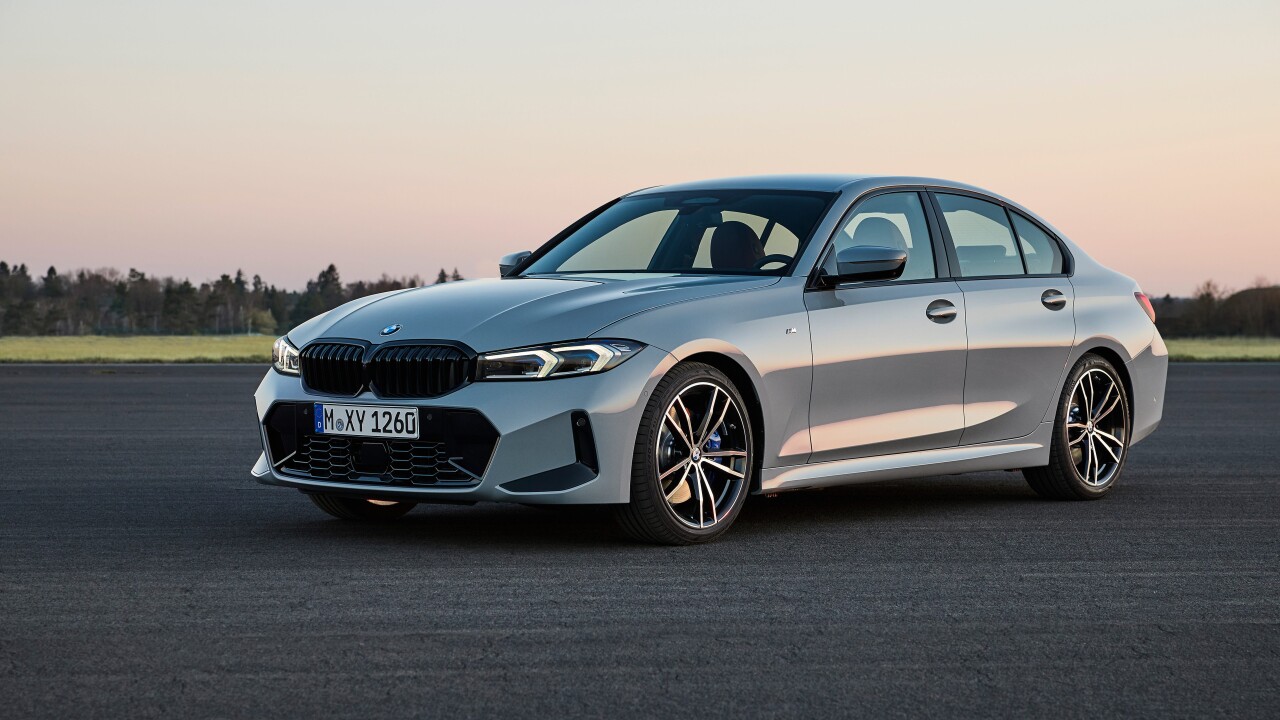
Parked up at the start point, the 3 Series looks exactly like what it is: a modern compact executive. It is handsome enough to turn heads, but it is also a vehicle that commands a premium. For a buyer on a budget, the immediate question is whether the base experience is worth the badge, or whether the sum of options and maintenance needs turn the 3 Series into an aspirational expense rather than a practical tool. From the outset I judged it not just as a pleasure to drive but as a product to be owned.
Driving dynamics: engaging without being demanding
One of BMW's enduring selling points is the way its cars drive. On the lanes, the 3 Series felt composed and communicative. Steering provided feedback and weight that rewarded tidy inputs. On a route with a few corners and elevation changes, the chassis encouraged confidence without scaring less committed drivers. That balance is important: you can enjoy the drive, but you do not need to be a fanatic to make it quick and comfortable.
For practical buyers, the take-away is simple. The 3 Series earns its reputation for agility, and that matters when you spend time on country roads. However, the driving feel is one part of the value equation; the other is the incremental cost of keeping that performance — tyres, specialist servicing and potentially premium fuel if your driving frequently nudges it — and that will add up over ownership.
Comfort and space: good, with caveats
I spent several hours behind the wheel in a single stint and then several more split between drivers. The front seats were supportive and comfortable for long-distance driving. Ergonomics were also generally good, with intuitive control placement and sight lines that made motorway driving less fatiguing. Rear-seat space is decent for adults over short trips, but if your aim is family practicality on a tight budget you should think carefully. Long-haul comfort for tall passengers is adequate rather than generous, and if you regularly carry three adults in the back you may find a more spacious alternative a better value proposition.
The boot was a sensible size for a weekend away with two people and a couple of overnight bags. I managed to get two medium suitcases and a small weekend bag in without contortion. If you're loading up for a family holiday with a stroller and a cooler, you may be squeezing things in or needing a roof box — which means more expense and drag on fuel consumption.
Infotainment and in-car life
Today's cars are tablets on wheels and the 3 Series is no different. The screen, menus and connectivity features are modern and functional. If you value seamless smartphone integration, navigation that learns your routes, and a system that rarely needs fiddling while you drive, you will like the experience. That said, the more tech you add, the more there is to worry about in the long run. Electronics are a common source of repair costs on modern cars, and complex systems fitted as options can become expensive when warranty periods end.
Fuel and running economy: real-world impressions
I am not publishing figures because how a car drinks depends on driving style, load, and route. What I can say is honest: on this trip the 3 Series behaved like a modern, efficient petrol/diesel car (depending on specification). On the motorway with steady throttle it was satisfied and calm; on twisty roads where I enjoyed the handling more, consumption predictably rose. For a budget-conscious buyer, the lesson is this: if you want the sporty character, accept that it will affect how often you stop for fuel. If your priority is economy, drive smoothly and consider less performance-focused versions if they are available to you.
Running costs and ownership realities
This is where I get opinionated. Badge and dynamics are great, but ownership is the real test of value. BMWs in general do not play in the cheap-to-own segment. Parts, servicing at a main dealer and certain wear items can be more expensive than alternatives from non-premium brands. That does not mean the 3 Series is an irresponsible buy, but it does mean you must budget realistically for servicing, tyres and potential extras that you will eventually need to replace.
If you care deeply about keeping a monthly running total low, look at the total cost of ownership before you sign the paperwork. Factor in insurance bands, service plan costs, and the fact that options often increase the cost of repairs. For many buyers the emotional satisfaction of driving a 3 Series is worth it; for strictly budget shoppers there are more frugal choices that deliver similar practicality for less money.
Road trip practicality: night stops and luggage
We stayed two nights en route. Unpacking and repacking was straightforward and the cabin felt secure and pleasant. Small touches count on a trip: door pockets that accept water bottles, door bins big enough for maps and chargers, and a centre console that keeps essentials organised. The 3 Series manages these practical details well. Where it loses points for the budget buyer is that desirable extras like enhanced sound systems, panoramic roofs, and advanced driver aids are often expensive options that push the out-the-door price up much faster than shoppers expect.
Safety and driver assistance: helpful but costly when out of warranty
Driver assistance features can make motorway driving less tiring and safer. Modern lane-keeping aids and adaptive cruise technologies are welcome on long legs of a journey. But there's an ownership caveat: complex sensors and cameras are costly to replace if damaged. For people who park in tight urban spaces or travel on remote routes where minor stone chips are a fact of life, the potential repair bill is part of the choice when buying a premium car.
Industry reflections: what the 3 Series says about premium cars today
Driving the 3 Series made me think about broader industry trends. Premium cars are becoming less purely about mechanical excellence and more about a package of technology, finish and status. That package costs money. Manufacturers rightly add features to keep models competitive, but there's an arms race in optional tech that can tip a car from being a practical choice into being an expensive lifestyle purchase.
I also worry that the complexity of modern cars increases the barrier to affordable ownership. Repair costs, software issues and a dependency on dealer networks for certain services make buying into a premium brand something you should plan for, rather than decide on impulse. For readers who want the driving experience but not the long-term friction, a used 3 Series from a few years earlier, correctly maintained, can be a sensible compromise. It keeps much of the driving spirit while potentially avoiding the steepest option-related price inflation.
Practical buying advice: how to make a 3 Series work for a budget buyer
- Choose options sensibly - Prioritise essentials like comfort and safety, and be wary of glossy but unnecessary tech that will add to repair costs later.
- Plan servicing - Compare dealer service plans with independent specialists who understand BMWs; sometimes an independent garage offers good value without compromising care.
- Consider depreciation - New premium cars depreciate heavily in the early years. If you want the badge and the savings, consider buying nearly-new.
- Think about tyres and brakes - Performance tyres and higher-spec brake components cost more to replace. If you do not exploit the car's dynamics on track days, there may be no need for the most aggressive specification.
- Test the trip you intend to do - If you plan long motorway runs, make sure the car you pick is comfortable on the highway; if you live in the country and want twisty fun, prioritise chassis and steering feel.
Final verdict: who should buy a 2023 BMW 3 Series?
If you prize engaging driving dynamics, a premium cabin, and a car that presents well for client-facing situations, the 3 Series remains a compelling option. It blends driver involvement with everyday usability, and it comfortably handles the sort of mixed-route road trip I used it for.
That said, the 3 Series is not automatically the clever budget choice. Ownership costs, the temptation to option up, and the potential for expensive repairs if you are unlucky with electronics or exterior damage mean you need to be deliberate. My bottom-line advice: buy a 3 Series if the driving experience is genuinely important to you and you have planned for running costs. If you are mainly motivated by value and low running bills, there are alternatives that will be kinder to your wallet while still being perfectly practical.
Parting thoughts from the road
The 3 Series made the trip enjoyable. It carved corners with poise, did long miles with composure and treated occupants to a cabin that feels well built. But as I pulled into the final petrol station and then home, I was left with a clear feeling: this car asks you to accept some financial realities in return for the pleasure it offers. For those who can balance the books and the grin factor, it will reward them. For strict budget buyers, the 3 Series is a worthwhile dream — but not always the most economical reality.
I returned the car with a head full of scenic memories and a spreadsheet full of sensible questions. That, perhaps, is the perfect summary for a car that sits where emotion meets economics: the BMW 3 Series is a delight if you can afford to delight yourself, and a compromise if you cannot.