
Green Refinement: Touring the Mercedes‑Benz EQB on Eco‑Conscious Routes
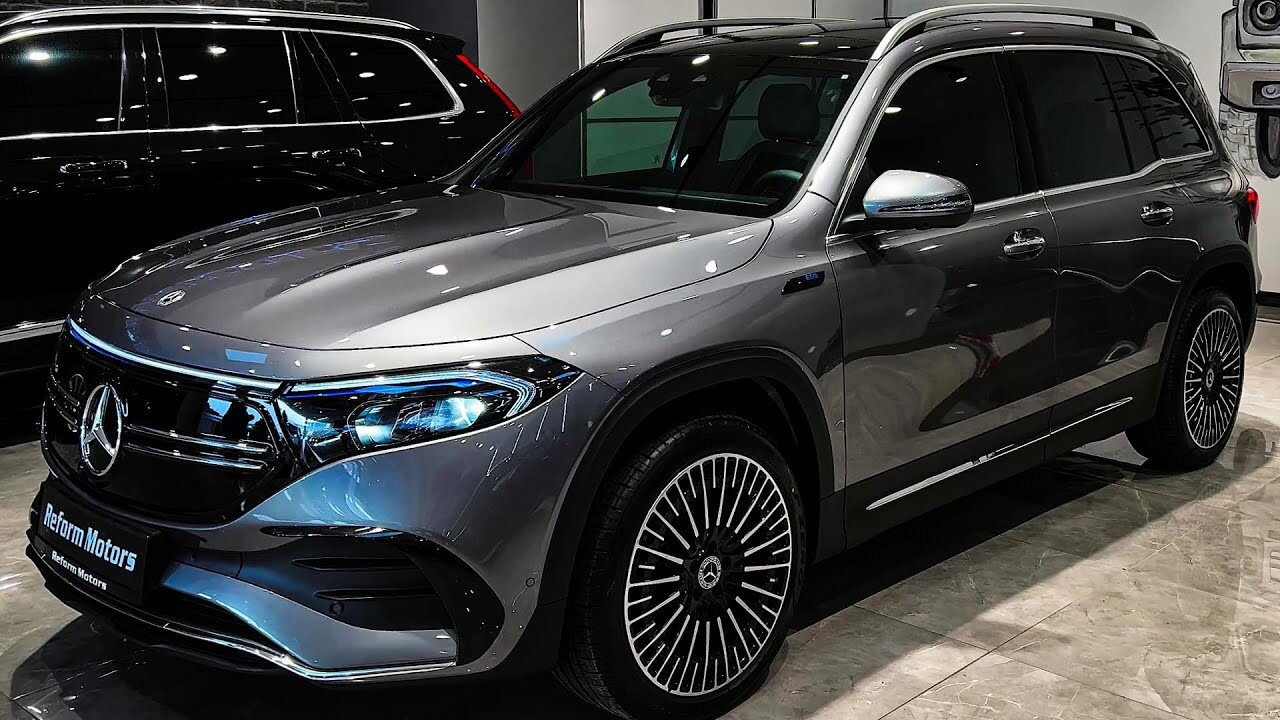

First, let’s be clear about the fundamental pivot: the EQB is an EV. That basic fact changes the conversation from engine refinement and exhaust note to energy management, material sourcing and life‑cycle thinking. Drive it and the immediate sensory differences are obvious — near silence at low speeds, a linear torque delivery that removes the drama of gear shifts, and a different sense of heaviness: EVs feel grounded, a function of battery mass more than suspension tuning. In the EQB that grounded character is allied with Mercedes’ interior craft. The cabin is composed with materials, panel fits and switchgear that telegraph intent: this is not an economy EV with faux pretensions; it intends to be a premium family transporter that happens to be electric.
From an environmental perspective the drive experience delivers two important realities. One, electric powertrains excel in stop‑start, urban environments where regenerative braking can recapture energy frequently; the EQB is no exception. On leafy city routes and suburban commutes the car felt efficient — not merely because the motor uses no fuel at idle, but because the act of braking becomes a process of energy recovery. In practice that translates to lower consumption figures on mixed urban cycles and a tangible reduction in range anxiety when compared to an otherwise similarly sized internal‑combustion SUV. Two, sustained high‑speed driving exposes the physics of moving mass through air; energy consumption rises significantly at motorway speeds, and the EQB is subject to the same immutable laws as its rivals. As a result, the most eco‑friendly use cases for the EQB are precisely those in which luxury and sustainability can coexist: well‑planned suburban runs, city errands, and intercity hops that are punctuated by charging opportunities or regenerative downhill stretches.
That brings me to the question of real‑world range and charging behaviour — topics readers inevitably ask about. Without rehashing manufacturer claims, what matters in practice is how the car integrates with a driver’s routes and habits. I found the EQB’s energy management to be intuitive. On routes designed with conservation in mind — rolling country lanes, coastal roads with descent opportunities and urban corridors with regular traffic lights — the car’s regenerative systems and driver selectable modes made it straightforward to coax extra kilometers out of the battery. Conversely, long, high‑speed motorway runs required a different, more pragmatic mindset: temper your speed and allow for charging stops rather than expecting the car to behave like a fossil‑fuel cruiser on a single tank. The EQB rewards planning; it also rewards restraint — which is, if I may be blunt, one of the tougher lessons for the modern luxury motorist to embrace.
Materiality is where Mercedes has an opportunity to match rhetoric with reality. Luxury buyers are not merely buying a car’s capabilities, they are buying an atmosphere. The EQB’s cabin, in its layout and finish, plays that note well. Soft touch panels, well‑executed trim pieces and intuitive controls present a sanctuary where the drive becomes a curated experience. Equally important from an environmental viewpoint is what those surfaces are made of. Mercedes has been moving toward incorporating recycled and responsibly sourced materials across its portfolio, and the EQ sub‑brand has often been presented as part of that commitment. For a buyer like me who measures luxury not only by feel but by provenance, transparent sourcing and credible progress on materials are non‑negotiable. It’s not enough to present a plush interior if the supply chain leaves an outsized carbon footprint or relies on problem materials. I am encouraged when a premium automaker acknowledges that the provenance of leather or fabric matters; I remain skeptical until the industry publishes verifiable life‑cycle data.
That skepticism extends to manufacture and end‑of‑life concerns. Electrification is frequently championed as a panacea, and the reduction of tailpipe emissions is an unalloyed benefit. Yet the full environmental equation must account for battery production, the source of electricity used to charge the vehicle, and the vehicle’s recyclability. Mercedes has publicly set ambitious long‑term goals around carbon neutrality for its fleet, and the EQB sits within that strategic context. Still, my editorial position is that luxury manufacturers have a higher ethical duty precisely because their customers can and should demand better transparency. If luxury is about refinement and provenance, then an authentic luxury EV must be refined not just in finish but in its ecological story: raw materials traced, emissions quantified, recyclability addressed. Until those truths are easily auditable, claims of sustainability will remain partly aspirational.
How does the EQB perform on eco‑friendly routes specifically? I planned three distinct runs to answer that question: a dense urban loop with frequent stop lights and traffic, a rolling coastal route with alternating climbs and descents, and a long-distance run on a major highway network. In the urban loop the EQB’s electric drivetrain was at its most persuasive. Regeneration during braking made single‑pedal driving not only feasible but genuinely relaxing; it turned traffic into an energy replenishing exercise rather than a drain. The car’s insulation and quiet motor also made the city feel less claustrophobic — an underrated environmental factor when you consider noise pollution. On the coastal route the story was more nuanced. Descents allowed for significant energy recovery; the car seemed to store back some of the energy from gravity, smoothing out what would otherwise be a series of net losses. Climbs, meanwhile, reminded me that energy is a finite resource on long grades and that efficiency is as much about driver behaviour as it is about engineering. Finally, on the highway the EQB behaved like a well‑made premium EV: composed, capable, but hungry relative to urban use. The lesson is straightforward: choose your routes with intention and the EQB will reward you with a low‑impact ride; treat it like a conventional SUV and the environmental advantages bluntly diminish.
Comfort and craftsmanship matter on these eco routes because they determine how willingly drivers adopt conservation behaviours. If a luxury car were to sacrifice comfort in the name of efficiency, most affluent buyers would simply not accept it. Fortunately, the EQB largely avoids that compromise. The seating is supportive and finished in materials that read upscale; the ride quality errs toward composed compliance rather than sporty tautness, which suits the EQB’s environmental mission. A quieter cabin also encourages gentler driving, which in turn preserves energy. This is not a trivial feedback loop: luxury cars can influence driver behaviour through their very character, nudging owners toward the slower, steadier driving that enhances efficiency.
Technology plays a crucial role in the ecological credentials of any modern EV, and the EQB is positioned to benefit from Mercedes’ broader digital ecosystem. Intelligent navigation that routes to charging stations, adaptive systems that precondition the battery for charging, and selectable drive modes that prioritize efficiency all contribute to real‑world green performance. The effectiveness of these systems depends on how well they are integrated and how forthcoming the manufacturer is about their real benefits. As a reviewer I appreciate clear, honest interfaces that make eco‑friendly driving an easy default rather than an opt‑in virtue. Luxury should make restraint effortless, not punitive, and the EQB generally aligns with this philosophy.
But let me be candid: beyond the immediate pleasures of a quiet, luxurious cabin and the tangible benefits of zero tailpipe emissions, the EQB’s environmental story is incomplete without systemic change. Charging infrastructure remains patchy in many regions, and the true carbon footprint of an EV hinges on the local grid’s energy mix. One of the grand ironies of the EV era is that the environmental benefit of an electric car is not intrinsic to the vehicle alone; it is co‑determined by where and how the electricity is generated. Luxury automakers, with their research budgets and influential clientele, can and should use their market position to accelerate clean‑energy adoption, invest in battery recycling and demand greater transparency from supply chains. Until those levers are pulled, an electric badge is a necessary but insufficient condition for sustainability.
In the broader context of automotive trends, the EQB embodies a tension playing out across the industry. On one side, there is the undeniable consumer demand for comfort, space and status — the traditional pillars of premium vehicles. On the other, there is an urgent imperative to reduce carbon footprints and close supply‑chain gaps. The EQB is a near‑term reconciliation: it offers a familiar luxury experience with the emissions advantages of electrification. It does not, however, absolve luxury automakers of the deeper work required to embed sustainability into the bones of their operations. To the industry I say: electrocution of the drivetrain is a milestone, not the finish line.
So what is my verdict for discerning buyers who care about both comfort and the planet? The EQB will suit those who want a compact, premium electric SUV that makes daily driving quieter, cleaner and genuinely more pleasant. It performs admirably on eco‑friendly routes and rewards thoughtful driving with measurable efficiency gains. Its interior craftsmanship largely lives up to Mercedes’ standards, making it an emotionally satisfying buy for the luxury‑minded. But for purchasers who prioritize the most rigorous interpretation of sustainability — traceable materials, auditable life‑cycle emissions, and an automaker who treats battery recyclability as a central design criterion — the EQB should be a considered step rather than a final destination. I respect Mercedes’ public commitments and the engineering that has gone into the EQB, yet I remain impatient for starker transparency and faster systemic innovation.
In the end, luxury and environmental stewardship need not be adversaries. The EQB proves that a comfortable, well‑crafted cabin can exist in an electric vehicle without theatrical compromises. It also proves that the path to genuine sustainability in the premium segment will be incremental and, frankly, sometimes uncomfortable for brands and buyers alike. If you value refinement, tactile quality and a quiet, efficient drive on the kinds of eco‑friendly routes that suit electric propulsion, the EQB is a persuasive choice. If you demand exhaustive proof of environmental virtue from cradle to grave before parting with your money, then use the EQB as a lens through which to demand more of Mercedes and the entire luxury industry. Luxury done well should not only feel good — it should, increasingly, do good. The EQB gets us closer. It also reminds us there is still work to be done.
I came away from the EQB convinced that Mercedes‑Benz has built a genuinely premium compact electric SUV — one that prioritises the tactile comforts and material quality I prize as a luxury connoisseur. The cabin is refined, the ride composed and the quietness intrinsic to an EV only amplifies the feeling of luxury. Yet my enthusiasm is tempered: the EQB is at its best in town and on measured country runs where regenerative braking and sensible speeds reveal the platform’s efficiencies. On the motorway it betrays the familiar EV compromise of higher sustained consumption, and more importantly, Mercedes must match its handsome interior with greater transparency on battery provenance, lifecycle emissions and end‑of‑life recycling. I applaud the engineering and the mannered driving experience, but I also expect the kind of supply‑chain integrity and auditable sustainability that befit a premium badge. In short: the EQB is a persuasive step toward luxury electrification — comfortable, well finished and thoughtfully packaged — but not the sustainability finish line. I’ll buy the craftsmanship and comfort without hesitation; I reserve full congratulations until the industry’s upstream practices catch up.
Specifications
| Specification | Value |
|---|---|
| Manufacturer | Mercedes-Benz |
| Model | EQB |
| Model year | 2023 |
| Market | UK |
| Body style | 5-door Compact SUV |
| Seating capacity | Up To 7 (optional Third Row In Some Configurations) |
| Drivetrain | All-electric (single-motor FWD And Twin-motor AWD Variants Available) |
| Transmission | Single-speed Automatic (electric) |
| Fuel type | Electric |
| Charging connectors | Type 2 (AC), CCS Combo 2 (DC Fast Charging) |
| Infotainment | MBUX Infotainment System With Touchscreen And Voice Control |
| Safety | Advanced Driver Assistance Systems (ADAS) And Common Mercedes Active Safety Features |
| Key character | Premium Interior Materials, Quiet Cabin, Composed Ride |