
From Hinterland to Highcraft: A Technical Retrospective on the BMW 1 Series (2023)
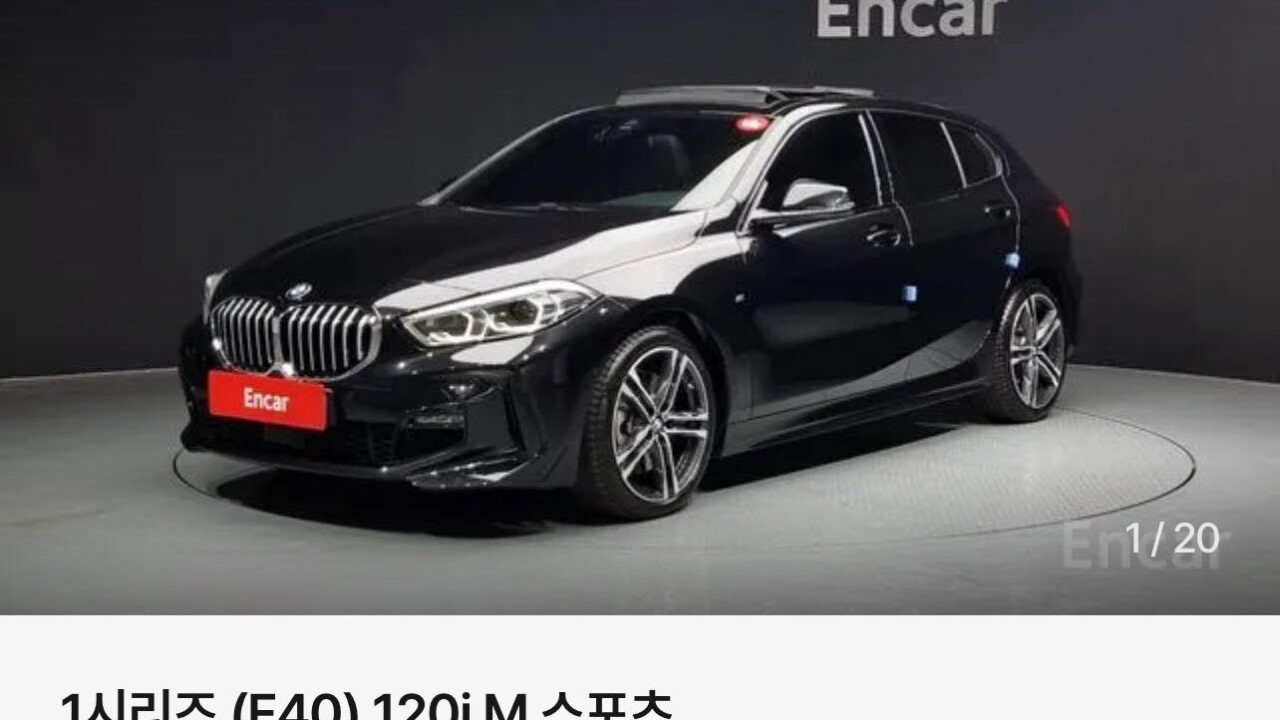

The most decisive technical pivot in the modern 1 Series story happened with the second-generation model (F40) launched in 2019: BMW abandoned the classic rear-wheel-drive layout in favor of a front-wheel-drive (FWD) based platform known within BMW as UKL. That shift is the starting point for understanding the 2023 car. It unlocked packaging efficiencies—more cabin space for the footprint—while introducing specific engineering constraints and opportunities. Front-wheel-drive architectures tend to shift mass forward, introduce torque steer considerations in powerful variants, and require careful suspension tuning to retain the brand’s expectation of engaged handling. BMW’s engineers responded with a combination of architecture choices that show up clearly in the 1 Series’ suspension, steering and drivetrain options.
Under the skin the 1 Series employs a conventional mix of suspension hardware for a compact premium hatchback: MacPherson struts up front and a multi-link arrangement at the rear. This combination is a hallmark of BMW’s approach to balancing packaging with dynamic control. The MacPherson front allows for a compact subframe and efficient engine bay layout, while the multi-link rear affords tuning flexibility—camber control and isolation of road inputs—that elevates ride quality and handling precision. On the road, these components are not merely parts; they are the instruments through which BMW tries to reconcile FWD packaging with the brand’s sporting heritage. What impressed me was the level of calibration: even in non-M models the steering weight, rebound characteristics and suspension harmonics felt deliberately chosen to avoid the vague, underdamped feel common to lesser compact hatches.
Powertrains in the 1 Series are drawn from BMW’s modular B-family of engines. The 2.0-litre four-cylinder B48 and the 1.5-litre three-cylinder B38 petrol units, as well as the 2.0-litre four-cylinder B47 diesel family, feature across the range in various states of tune. BMW’s modular approach allows the company to share architecture and combustion technology across multiple models while giving each variant a distinct character through calibration, turbocharging levels, cooling systems and exhaust management. The standout technical variant is, of course, the M135i xDrive. It carries a 2.0-litre turbocharged four-cylinder from the B48 family, tuned for maximum performance. Official factory figures for the M135i are 306 PS and 450 Nm of torque with BMW timing 0–100 km/h in 4.8 seconds. Importantly, the M135i deploys xDrive all-wheel drive and an 8-speed automatic transmission, which together manage traction and deliver the acceleration figures that make it competitive with hot-hatch rivals.
That M135i specification is revealing for the whole range: to offset the handling compromises of a FWD-based platform for the highest-performing model, BMW opts for AWD. This is an elegant engineering trade-off; by adding a controlled rear-drive component they retain traction and dynamic balance without having to reintroduce a full-length driveshaft architecture from the outset. The presence of an 8-speed Steptronic automatic gearbox—widely used across BMW’s lineup—gives the M135i not just fast shifts but a resilience and thermal capacity useful for repeated spirited runs. Cooling, transmission mapping and torque management are all areas where BMW’s technical choices become most visible: the company appropriates hardware from larger models and tunes it for the 1 Series’ weight and balance.
For a luxury-minded observer the interior is where BMW’s craft decisions are on full display. The 1 Series of this generation has been markedly more premium than its predecessors: improved soft-touch materials, carefully shaped surfaces, and a more comprehensive suite of optional trim and upholstery choices. BMW’s seat engineering—bolstering, cushion shaping and material selection—stands out in long runs, and the quality of stitchwork and seam layout is consistent with what I would expect in the brand’s higher-tier models. The instrument panel and center console maintain a driver-focused ergonomics that is part of BMW’s heritage, but they have been modernized with digital displays and selectable ambient lighting that give the cabin a contemporary, premium ambience. As with any BMW, the premium experience hinges on specified options: high-grade leathers, open-pore wood or aluminium trim, and upgraded sound insulation transform the car from a competent compact into a genuinely refined environment.
Infotainment and driver assistance are integral to the modern luxury experience and are offered in the 1 Series with BMW’s telematics and driver aids. These systems include configurable digital displays, navigation, voice activation and a suite of safety aids. Where the 1 Series truly shows BMW’s engineering depth is in the integration of these systems with the vehicle’s dynamics: adaptive chassis systems (where specified), selectable driving modes, and steering assistance all respond coherently to changes in driver input and road conditions. The available adaptive dampers and variable sport steering allow a perceptible change in behaviour: in Comfort mode the car isolates road imperfections well for its class; in Sport or Sport+ modes the steering firms and the dampers tighten to give more precise turn-in and support under lateral load. These systems are calibrated to preserve the 1 Series’ composure while offering a communicative connection to the road—a hallmark trait I expect in a premium compact.
Braking and wheel-tyre combinations are another area where details matter. The M135i benefits from larger brake calipers and discs, with more aggressive compound pads to resist fade under spirited driving. Across the range, brake pedal feel has been tuned for linearity and modulation—a virtue for managing both performance and daily usability. BMW’s wheel offerings—ranging typically from 17 to 19 inches depending on trim—are selected not just for looks but for their impact on unsprung mass and ride quality. The luxury buyer should be mindful: larger diameter wheels with low-profile tyres sharpen handling but transmit more road noise and reduce ride compliance; the choice of tyre compound and profile remains a critical part of the ownership experience.
From a technical maintenance and ownership perspective, the 1 Series benefits from BMW’s broader engineering efficiencies. The modular engine family means parts commonality across models, making long-term servicing easier within BMW’s network. Turbocharged engines, common-rail diesel systems and complex electrics mean that diagnostic tools and specialist training are more important than ever—something the luxury buyer must accept. BMW’s engineering attention to thermal management, particularly on performance variants, is worth noting; the company equips the M135i and higher-output models with enhanced cooling circuits to preserve performance under stress. I advise owners of spirited variants to prioritize oil and coolant service intervals as recommended, since sustained high-load operation extracts wear that improperly maintained lubrication systems will amplify.
On the subject of efficiency and emissions, BMW’s engine modularity and turbocharging strategy aim to provide a blend of low-end torque and high-efficiency cruising. The diesel variants, where available in some markets, offer strong mid-range torque useful for relaxed motorway driving, while the petrol units are tuned to deliver responsive throttle behaviour suited to urban agility. BMW’s recent years have also seen an increase in hybridization across its portfolio, and while the 1 Series was not universally electrified in 2023, the platform and engine families make it amenable to mild-hybrid or full-hybrid adaptations—an important consideration for future longevity in a luxury context.
Driving dynamics in the 1 Series are always a subject of spirited discussion among enthusiasts and connoisseurs. The fundamental trade-off in the modern car is between the efficient packaging of FWD and the dynamic purity of RWD. BMW’s approach with the 1 Series has been to optimize the FWD architecture to feel as BMW-like as possible: precise steering, a balanced chassis feel and a progressive torque delivery. In practice, the 1 Series accomplishes this in measured ways. In everyday driving the car feels composed and composedly premium; in dynamic driving the M135i steps up with all-wheel drive and more substantial mechanical hardware to deliver a level of performance that belies its compact underpinnings. For the buyer seeking a pure RWD BMW driving sensation, the 1 Series will not replicate the communal dynamics of a traditional rear-driven coupe; but for the buyer who prioritizes space efficiency, modern amenities and strong performance, the 1 Series achieves an impressive synthesis.
Safety and structural engineering are quieter virtues that luxury buyers prize. BMW’s body construction techniques, high-strength steels and targeted reinforcement zones aim to deliver both crashworthiness and torsional rigidity—an important contributor to handling precision. Active safety systems, from lane-keeping assist to automated emergency braking, are integrated not only for compliance but to augment the driving experience. The luxury perspective demands not only a passive shell but systems that make driving less fatiguing and more predictable; on this front the 1 Series aligns with contemporary premium expectations.
Customization is central to BMW’s strategy for premium compact buyers. The list of options—ranging from advanced driver assistance packages to premium audio systems and bespoke interior trims—allows a buyer to craft an experience that approximates larger BMWs. That is the point: the 1 Series aims to be small but not second-class. Choices of upholstery, interior finishes, wheel designs and driver aids let the car wear the mantle of luxury despite its compact architecture. As a journalist who values craftsmanship, I must emphasize that the real luxury comes not from ticking boxes but from selecting the right combination of materials and options—soft leathers, ambient lighting, and a carefully chosen trim package can materially change the cabin’s character.
Finally, I reflect on the 1 Series as a statement of BMW’s adaptation to modern demands. Historically, the 1 Series was an unapologetically driver-centric, rear-wheel-drive hatch. The 2023 car is proof that premium motoring can be reinterpreted: the firm has traded some mechanical purity for broader usability, while still striving to maintain a distinct BMW feel through meticulous engineering and material quality. The M135i performs as a demonstration that the platform can host true performance, while the standard models emphasize refinement and everyday usability. For owners and enthusiasts interested in the technical narrative, the 2023 1 Series is a study in compromise and compensation—how engineering choices in chassis, engine modularity, and drivetrain architecture are harmonized to produce a small car that still aspires to luxury.
In closing, my assessment as a luxury connoisseur is this: the BMW 1 Series (2023) is an accomplished compact that embodies BMW’s contemporary priorities. It is not an archival recreation of the rear-wheel-drive hatch of yesteryear, but it is a carefully executed evolution that places materials, interior refinement and sophisticated engineering at the fore. The technical story is one of intelligent parts-sharing, precise suspension tuning, and targeted performance hardware where it matters. For buyers who value craftsmanship, configurability and a modern interpretation of BMW dynamics, the 2023 1 Series delivers a compelling balance of luxury and technical substance.
As someone who measures cars by the quality of their materials and the quiet assurance of their engineering, I view the 2023 BMW 1 Series as a decisive chapter in BMW’s compact story. Historically the little BMW was defined by rear‑wheel‑drive purity; the F40 generation accepts a new, pragmatic direction — the UKL front‑drive architecture — and then proceeds to refine that direction with genuine luxury intent. I appreciated how BMW compensated for the mechanical shift with careful chassis tuning, upscale cabin finishes and coherent electronic integration. The M135i xDrive in particular reads like a tribute to the brand’s sporting past: a potent B48 engine married to AWD and a sharp automatic, delivering brisk performance without sacrificing composure. Across the range the car is quieter, better insulated and more deliberately finished than earlier 1 Series models, which to me marks an important evolution: BMW prioritising premium craftsmanship and usable space while still offering a credible driving experience. If you come to a 1 Series wanting the RWD character of yesteryear, this isn’t that car — but judged on its own brief, and in the context of BMW’s history, the 2023 1 Series is a successful, refined reinterpretation of what a compact BMW can be.
Specifications
| Specification | Value |
|---|---|
| Platform | UKL Front-wheel-drive Architecture |
| Drivetrain standard | Front-wheel Drive (UKL) |
| Drivetrain top model | XDrive All-wheel Drive (M135i) |
| Engines available | B38 1.5L Three-cylinder Petrol; B48 2.0L Four-cylinder Petrol; B47 2.0L Diesel (market Dependent) |
| M135i output | 306 PS, 450 Nm (B48, M135i XDrive) |
| M135i 0-62mph | 4.8 S |
| Transmission | 8-speed Steptronic Automatic (used In M135i; Automatic Transmissions Common Across The Range) |
| Front suspension | MacPherson Strut |
| Rear suspension | Multi-link |
| Adaptive dampers | Available (offers Comfort And Sport Calibration) |
| Variable sport steering | Available |
| Brakes | Larger, Higher-performance Brake Package On M135i |
| Wheel sizes | Typically 17" To 19" Depending On Trim |
| Interior materials | Improved Soft-touch Surfaces, Upgraded Stitching And Premium Trim Options |
| Infotainment | BMW Digital Displays With Integrated Navigation And Voice Activation |
| Driver assistance | Integrated ADAS Suite (adaptive Systems Work With Vehicle Dynamics) |
| Construction | Use Of High-strength Steels And Targeted Reinforcements |
| Engine family character | Modular Turbocharged B‑series Engines; Amenable To Mild-hybrid Adaptations |