
Finding Trails and Tranquility: My Week in the 2023 Land Rover Discovery
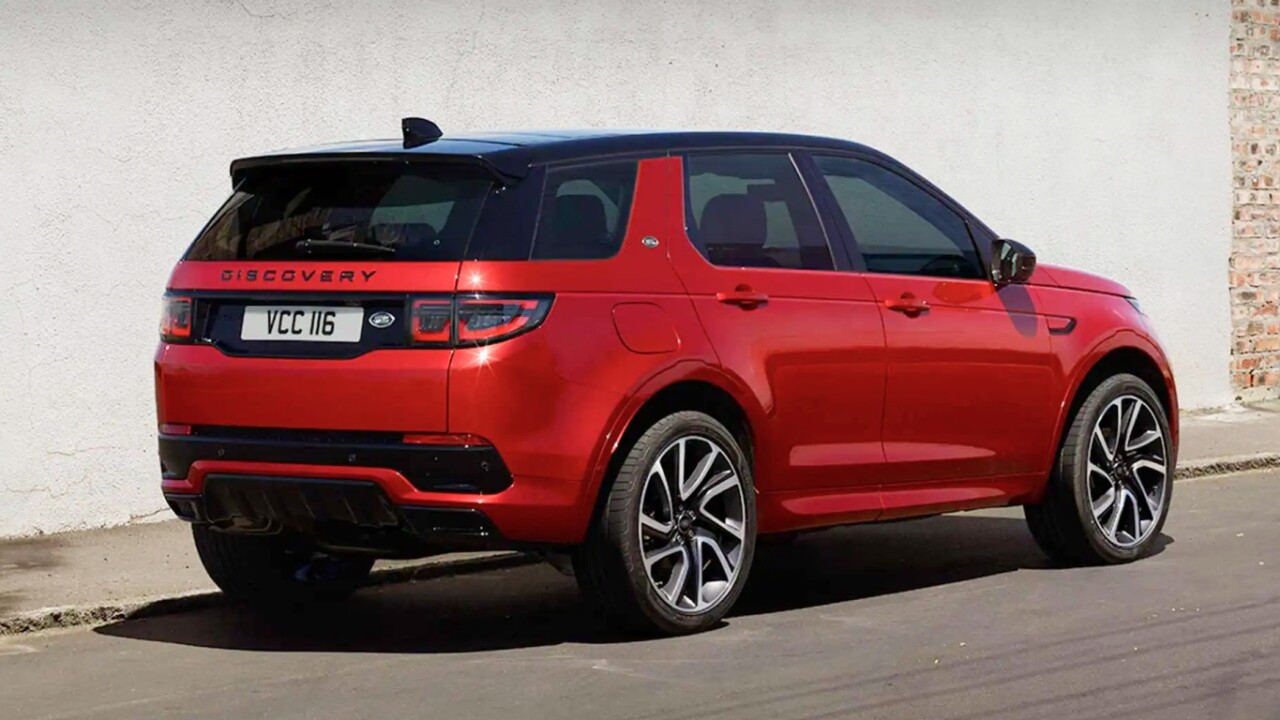

Loading the Discovery felt like packing for an expedition rather than a weekend. There was space for the four of us and our gear without any drama — bags, coolers, a pair of muddy boots, and a compact mountain bike fit in without me having to be a magician with the straps. The assorted cubbies and deep door bins were the sort of practical details you only appreciate after the first steep pull-over when you want a map, a flashlight, or a hot coffee. The rear seats fold down in a quick, sensible way that makes creating a flat load floor simple; it’s not showy, it’s just effective. If you’re the type who needs a lot of kit for two nights away from civilization, the Discovery doesn’t ask for compromises.
We started the trip on a bright morning, with the vehicle carrying a light coating of dew and a sense of readiness. On asphalt it rides with composure; the driving position is commanding without feeling like you’re in a bus, and visibility is the sort of practical clarity you need when you’re threading narrow lanes bordered by hedges and sheep. The steering has a reassuring weight to it — not numb, not twitchy — which helps when you’re leaning into a twisty country lane and there’s a blind crest around every corner. Noise insulation was decent too: at steady speeds, conversation didn’t need to rise above a normal level, and the cabin kept out most of the highway murmur and the wind buffeting you’d expect from a vehicle of this size.
As the road turned from smooth blacktop to compacted dirt and then to a rougher track that might once have been a logging route, the Discovery’s confidence showed. I didn’t need to coax it into place; it took the changes of surface with an unfussy sort of competence. On a couple of steeper, rutted climbs I could feel the drivetrain prioritise traction over speed — it was patient and deliberate rather than eager and choppy, which is precisely what you want on a slope strewn with wet roots. The traction aids were quietly effective, intervening when needed and otherwise letting the driver manage momentum. In short, it felt like a vehicle that expects to be in places a regular car isn’t invited and is happy to be there.
One of the best sections of the route was a remote valley drive that ended at a high-altitude tarn. The final approach was a narrow, rocky track with washouts on one side and a wall of tree roots on the other. Here the Discovery’s composure was most obvious: it absorbed jagged impacts without slamming the passengers into the seats, and small corrections from the steering were all that was required to pick the line. The ride remained calm even when we were crawling over rough ground, which kept everyone inside relaxed and allowed us to appreciate the surrounding landscape instead of being preoccupied by the driving.
There’s a tactile satisfaction to off-road driving that you don’t get from lane-keeping aids or sport modes, and the Discovery taps into that. On a sodden hillside we took a route that involved a shallow river crossing and some soft, muddy ground. The tires kept biting, the drivetrain managed slip in a way that felt like a conversation between wheels and terrain, and the vehicle kept moving forward without fuss. It’s easy to imagine this sort of journey ending with a strand of fairy lights and a story around the fire; the Discovery carries its gear, its passengers and the promise of a night under stars without making you question any of it.
The interior is where the Discovery balances its adventurous soul with civilized living. Materials are durable where they need to be and pleasantly tactile in the places you touch regularly. The seats are supportive for long stints and yet not stony — you don’t arrive at the campsite sore. I particularly liked how the cabin layout felt intuitive: controls were where I reached for them naturally, and the big windows and sensible mirror placement gave me the kind of all-around view necessary when you’re hunting for a line on a narrow trail or backing up to hitch a trailer by hand.
Accommodation and habitability matter when you’re living out of a vehicle for a few days, and the Discovery manages that well. The rear-facing comfort means you can pack for a ski run or a family picnic without all the arguing over space. One night we used the folded second-row seats as a makeshift platform for a mattress pad and slept inside to avoid a mountain storm; it wasn’t glamourous, but it was dry, quiet and comfortable — exactly what you want when the rain’s drumming on the roof and the wind is talking to the trees.
Fuel range and exact economy figures aren’t things I’m going to invent — what I can say is how it felt on the trip. After a full day of mixed speeds, a lot of unsealed road, some low-speed climbing and a couple of highway runs, the Discovery had reasonable range left; I didn’t feel I was constantly searching for a fuel stop. That kind of real-world confidence is what turns a capable SUV into a proper touring vehicle. You plan your days, not your refuelling panic.
On the tech side, the infotainment and driver aids were unobtrusive and helpful. The layout of the screens is readable at a glance, the controls are responsive enough so you’re not waiting to fiddle with a tune, and the navigation did a solid job of keeping us on the right tracks through the maze of forestry lanes. The audio system kept our road mixes sounding full even when the gravel thickened, which says something about how the cabin and the system work together to maintain atmosphere.
One thing that stood out during our muddy afternoon was the Discovery’s approach to ruggedness as an everyday trait rather than a statement. It doesn’t shout with plastic cladding and ostentatious air intakes; instead, the design language is practical and considered. Roof rails, sensible bumpers and a step-in height that’s generous without being a chore all point to a vehicle designed by people who think about how users actually live with their cars. That design philosophy spilled into practicality: tie-down points, washable surfaces where you'd want them, and a rear opening that makes loading awkward items easier than most rivals.
That said, a big car always demands a little planning. Narrow farm lanes, hairpin bends and tight campsites all require that you pay attention to dimensions. The Discovery isn’t shy about its size; it asks you to be aware, but it rewards that awareness with a stable, planted feel and plenty of internal space to spread out. In towns or on tighter single-lane roads you notice the bulk, but that’s part of the trade-off for the cargo space and room on board.
We used the Discovery as our base for a couple of hikes that were too far from parking for comfort, loading bikes on a simple rear rack and leaving the vehicle to wait sentinel-like while we scrambled up the slopes. Returning hours later to a vehicle that hasn’t been bothered, that greets you with a familiar scent and a cabin still warm enough to sit in for a snack, is a small pleasure you don’t get with a tent alone. It also emphasised the Discovery’s role as a tool: it’s not just for moving people from A to B, but for supporting the day’s adventures in a practical, reliable way.
Off-road electronics and driver aids are only as good as their implementation, and the Discovery’s systems struck me as complementary to the experience rather than replacements for judgement. Where the terrain required finesse, the vehicle’s behaviour allowed me to modulate the throttle and pick a line without the electronics feeling overbearing. That sort of balance makes slow technical sections relaxing rather than tense; you trust the car to help when needed, but you don’t feel edged out of the task.
We finished our week at a coastline where the last light spread gold across the rocks. Sand and shallow saltwater are different beasts to mountain tracks, and the Discovery handled the transition well. The underbody protection and the general build quality gave me the confidence to take it closer to the surf than I might with a more urban SUV; that confidence is itself a kind of luxury — the ability to be curious without worrying constantly about repair bills or fragile components.
Practical durability also means living with the car day-to-day. After a week of hard roads, muddy boots and salty air, a quick hose down left the exterior looking shipshape; inside, the fabrics and finishes shrugged off most of the grime without any elaborate cleaning. These are the things that matter when you own a vehicle intended for outdoor life: easy servicing points, intuitive cargo spaces and materials that don’t sulk after a bit of dirt.
There are compromises, of course. Big SUVs always involve thinking about fuel, parking and whether single-track lanes are your thing. The Discovery’s size and presence are assets in the wild but can be a handful in tight urban settings. And while I appreciated the comfort and the suite of driver supports, purists who want absolute, raw feedback in every corner might feel the Discovery leans toward refinement rather than mechanical austerity. For me, that’s a feature more than a flaw — I want a vehicle that can be both a weekend warrior and a family transporter without drama.
At the end of the trip, washing the road dust out of the wheel arches and packing the remaining gear back into the boot, I felt like I’d spent a week with a practical companion rather than a machine trying to impress. The Discovery is happiest when it’s being used for what it was designed to do: transport people comfortably, carry the kit they need, and take them to places that require a bit of gumption and a steady vehicle. It’s not the smallest or the most sporty SUV you can buy, nor does it pretend to be. Instead, it’s a capable, considered vehicle that rewards planning and curiosity in equal measure.
If you’re the sort of person who measures a weekend by the number of trails explored or the quiet of a remote lake at dawn, the Discovery speaks your language. It helps you pack sensibly, it copes with an afternoon of bad terrain, and it lets you sleep on a mattress in the back when the weather forces you to. It’s not a vehicle that seeks the spotlight; it wants to be useful, tough and dependable — the sort of trusted companion that makes off-road trips feel like holidays instead of logistical exercises. For the week I had it, that’s exactly the role it played: steady, reassuring and ready for the next detour.
I spent a muddy week with the 2023 Land Rover Discovery and came away impressed by how comfortably it straddles two lives: a polished family SUV by day and a no-nonsense off-roader when the track turns ugly. The cabin is roomy and sensible, the loadspace and practical touches mean it’s easy to live from, and the suspension and traction kit let you pick clean lines over rough ground without stressing the crew. It’s not the smallest thing on narrow lanes and it leans toward refinement rather than raw, mechanical feedback — but if you want a dependable, comfortable base for hikes, bike runs and coastal detours, the Discovery earns its keep. As an off-road adventurer I appreciate that it prioritises usable capability and durability over headline-grabbing specs, and that makes it a very capable partner for proper weekends away.
Specifications
| Specification | Value |
|---|---|
| Model | Land Rover Discovery |
| Year | 2023 |
| Market | UK |
| Body style | 5-door Mid-size SUV |
| Seating capacity | Up To 7 |
| Drivetrain | All-wheel Drive (4WD) |
| Transmission | Automatic |
| Class | Mid-size Luxury SUV |
| Doors | 5 |