
Skoda Octavia: The Eco Pragmatist — A Contrarian’s Guide to Greener Travelling
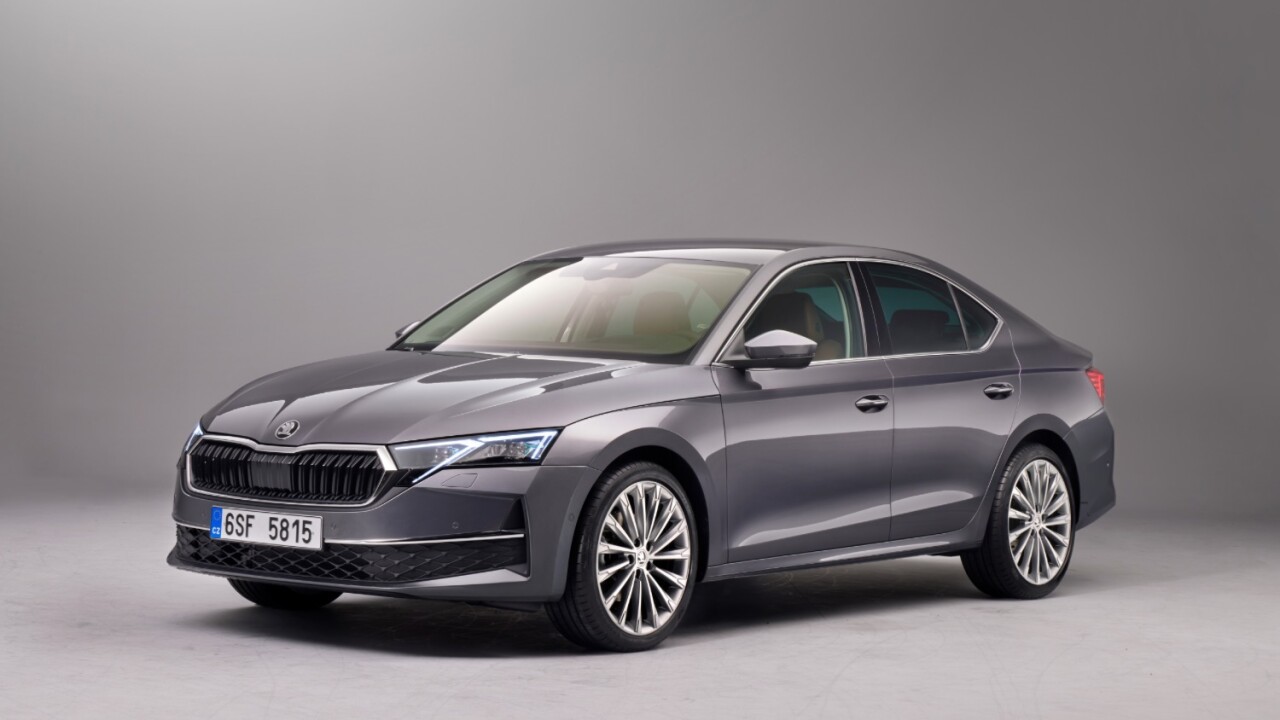

On the road, the Octavia wears its ecological credentials like a tailor-made coat: unflashy but effective. The chassis is efficient without being spartan; it rewards steady, calm driving with impressive economy and doesn’t demand you chant mantras about 'driving style' into a windscreen. If you want to maximise efficiency, the mild-hybrid e-TEC models are a practical compromise. They provide a small electric assist and improved stop/start behaviour that genuinely reduces consumption in town and suburban use. No, it won’t let you pretend you’re living a life of pastoral abstinence, but it will stop the little displays from lecturing you every time you pull away.
The plug-in hybrid, the iV, is where modern headline-chasers will stand and applaud. It offers the seductive idea of commuting on electricity and using petrol for longer trips. But permit me a public service announcement: plug-in hybrids are a tool, not a badge. The environmental benefit is real if you charge frequently and use the EV capability for short urban hops. If you behave like a classic contrarian — charging occasionally, then driving long distances with the combustion engine doing most of the work — the PHEV becomes a heavy car carrying an unwanted battery and a smug owner’s conscience. I have seen drivers who never plug in, yet insist they are 'doing their bit' because they own the hybrid badge. Behaviour trumps technology. The Octavia iV is effective when used intelligently; left to its own devices and poor human habits, it loses much of its eco advantage.
Diesel, bless it, is the villain of many a fashionable dialogue. But let us be honest and slightly scandalous: if you do a lot of miles on faster, steady routes — think long A-road runs or motorway stretches — a parsimonious diesel TDI will often be the most eco-friendly option on a tank-to-tailpipe basis. Emissions regulation and particulate traps have removed much of the baseless menace once associated with modern diesels, though the politics of diesel remain a sport for those who prefer shouting to listening. I will say this plainly: for a driver who devours miles, diesel remains compelling in the Octavia. For the urbanite who dreams of a carbon halo while idling in queues, a diesel is anachronistic and the hybrids make more sense.
The Octavia’s aerodynamics and packaging are eco advantages that never ask for applause. The car’s shape is tidy, and its interior space is such that you can fit a roofbox, a box of secondhand ethics and a family-of-four without feeling you have compromised on comfort. This sort of utility matters: a car that carries people and stuff efficiently reduces the temptation to buy a second vehicle, and that is a simple ecological win. Space equals fewer journeys in multiple cars, and the Octavia is a master of that particular arithmetic. As a trendsetter, I admire anything that makes minimalism plausible without requiring anyone to sleep on a mat in the living room.
On eco routes — you know, those carefully chosen roads where one attempts to look virtuous while actually avoiding congestion and enjoying a decent view — the Octavia is what you want. Pick a B-road that meanders through the countryside, with a mix of long, flowing stretches and short, sharp rises. The Octavia responds to gentle momentum; it rewards early planning and coasting in the right gear. Use the mild-hybrid’s torque fill, feather the throttle and you’ll be surprised how far you can stretch a litre of fuel. The car’s steering is unpretentiously accurate and the suspension soaks up tarmac imperfections without turning the cabin into a particularly tasteful cow shed. Efficiency on such routes is not about driving at 40mph under the speed limit and composing sonnets about emissions; it’s about maintaining momentum and letting the car’s engineering do the work.
Regenerative braking in the hybrid variants is unobtrusive and sensible. It doesn’t try to dictate a new religion of driving; it simply returns energy when you lift off. That quiet pragmatism is, in my book, pure Scandinavian morality — no sermons, only widgets that work. The transmission choices are sensible too: if you want to wring out efficiency, use the manual where available. If you want to be human and have an automatic that doesn’t sulk when you ask for better economy, the DSG does a fine job. The Octavia trusts you to make the reasonable choice and then rewards you for it; I find that intellectually satisfying.
Manufacturing footprint and lifecycle debates are the playground of experts and bored journalists with tape measures. Let me be blunt: every car leaves a footprint. Batteries, metals, plastics — they all have stories. The Octavia’s variety of powertrains is its honest answer to this complexity. If you are the sort of person who accepts that different missions require different tools, you’ll appreciate Škoda’s pragmatic approach: offer the tools and stop lecturing the buyer. If you want to minimise lifecycle impact, buy what suits your daily miles and habits. The most eco-friendly car is the one you use intelligently, not one that gathers dust in a garage because it offends your virtue signalling peers.
There are, naturally, compromises. The plug-in variants carry extra weight — batteries are heavy — and that has an effect on tyre wear, brakes and resource use over the long term. If you’re trying to be the village’s exemplar of eco piety by buying a big PHEV and then never plugging it in, you’re simply transferring the environmental cost from the forecourt to the back yard. Also, while the Octavia’s interior trims are made more sustainably than some glossier rivals, I will not pretend it is a zero-impact miracle. It’s a car. It uses metal. It uses energy. But it uses them intelligently.
Practical tips from someone who enjoys being contrary: use the Octavia’s trip computer as a friend, not a shaman. Monitor real-world consumption, not claimed figures. Learn to anticipate traffic so you avoid hard acceleration (hard acceleration is ecological theatre, not substance). When you can, choose routes that favour steady momentum over constant stop-start. If you have a plug-in, install a home charger and make charging part of a ritual: plug in each night like brushing your teeth. It sounds dull, but habits are where real carbon savings hide — not in hashtags.
I have drivers ask me if the Octavia can feel like a high-end, green luxury coupé. The answer is: no, it cannot, and I admire that. It doesn’t aspire to be a thinly veiled yacht on wheels. Instead, it prefers to be a reliable, roomy machine that saves you fuel without asking you to apologize for enjoying warmth, speed and a proper cup-holder. That sensible approach is a rare and attractive kind of defiance in an era of moral theatre.
In short, the Octavia is my recommended eco pragmatist: choose the drivetrain that suits your real-world use, treat the plug-in hybrid seriously if you opt for it, and respect the diesel if your life is spending more time at 70mph than at traffic lights. Don’t be seduced by virtue alone; be guided by usage and common sense. The Octavia rewards that kind of thinking — and if, like me, you prefer solutions over sermons, you will find it not just environmentally reasonable, but oddly comforting.
Finally, a last contrarian whisper: being eco-minded in a stylish way is not about suffering. It’s about making better choices and enjoying them. The Octavia, with its practical room, unobtrusive tech and range of sensible powertrains, allows you to be green without being a bore. If that sounds like heresy to the sermon-singing crowd, then I shall take my heresy proudly. After all, saving the planet is much easier when you don’t have to listen to ten-minute speeches about it every time you fill the tank.
Specifications
| Specification | Value |
|---|---|
| Model | Skoda Octavia (liftback And Estate Body Styles) |
| Powertrains | Petrol TSI, Diesel TDI, Mild-hybrid E-TEC, Plug-in Hybrid IV |
| Transmissions | Manual, DSG Automatic |
| Drive | Primarily Front-wheel Drive (some Variants May Offer All-wheel Drive) |
| Seating | 5 |
| Cargo | Spacious Boot For The Class (liftback And Estate Variants For Greater Versatility) |
| Regenerative braking | Yes On Hybrid And Plug-in Hybrid Models |
| Charging | Plug-in Charging Capability For IV Models (AC Charging) |
| Safety | Standard Active And Passive Safety Systems (features Vary By Trim And Market) |
| Infotainment | Touchscreen Systems With Connected Services And Smartphone Integration |
| Manufacturer | Škoda Auto (Czech Republic Production) |
| Environmental focus | Varied Drivetrain Choices To Suit Different Usage Patterns; Pragmatic Approach To Efficiency |