
Volvo XC60 (2023) — The Weekend Warrior with Scandinavian Poise and Technical Muscle
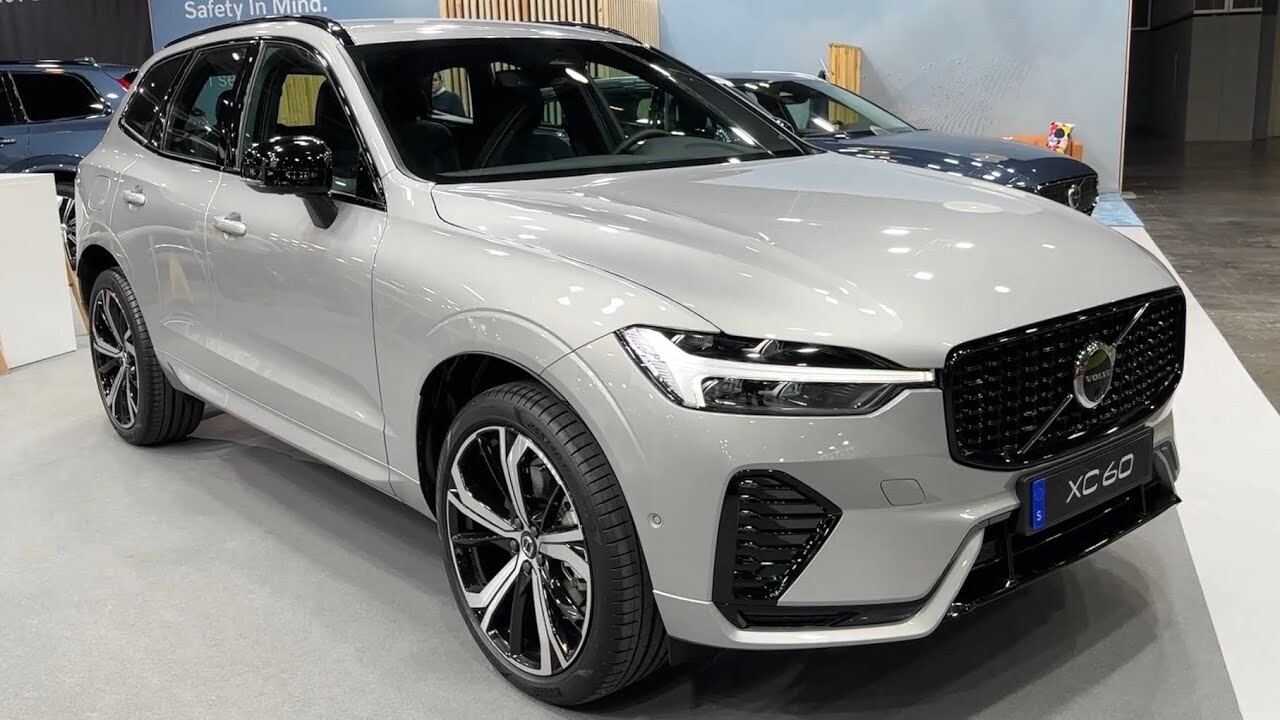

From the outset the XC60 speaks Volvo in an instantly recognizable way: clean surfaces, restrained details, and a silhouette that reads modern rather than trendy. That aesthetic matters for the weekend set — you want a vehicle that complements outdoor gear and lifestyle accessories rather than clashes with them. But beyond styling, the engineering philosophy behind the XC60 is about compact efficiency and structural rigidity. The vehicle rides on Volvo’s modular architecture that has been developed to balance crash performance, NVH control, and suspension calibration. The resulting body feels composed; there’s a sense of torsional stiffness that translates into predictable handling inputs and a quieter cabin at highway speeds. That structural baseline is important for hauling equipment and passengers: loads, roof boxes, and bikes produce forces that are less likely to introduce squeaks, rattles, or unpredictable flex under real-world weekend uses.
Powertrain flexibility is central to why I keep recommending the XC60 for mixed-use weekends. Volvo offers mild-hybrid combustion options and a plug-in hybrid variant in the model line, a combination that gives buyers practical choices. The mild-hybrid architecture smooths stop-start behavior and supplies small bursts of electrical assist during city speeds and transient acceleration — this is especially useful when you need to merge onto a highway carrying gear or negotiate a short hill on a laden driveway. The plug-in hybrid model brings another dimension: you can start a trip on pure electric energy for short urban hops or campsite runs, then rely on the combustion engine for long-distance cruising without range anxiety. On my outings I appreciated the plug-in’s ability to deliver near-instant torque from the electric motor when setting off on loose surfaces, which helps for controlled, low-speed maneuvers while loaded.
One of the XC60’s engineering strengths is its packaging logic. The heavier components — batteries in the plug-in variant and auxiliary systems more broadly — are packaged to keep mass low and central. That placement reduces polar moment and keeps the vehicle’s center of gravity planted, which is noticeable when you’re carrying weight on the roof or towing a lightweight trailer. The low-mounted mass improves roll resistance and steering feel: the steering remains well-weighted and communicative rather than vague or overly numb. For the weekend driver who toggles between canyon roads and long motorway blasts, that predictability is a real advantage.
Volvo’s suspension tuning for the XC60 toes an interesting line between comfort and control. The standard spring/damper setup is designed to absorb the irregularities of country lanes and rough driveways, prioritizing linearity in damping so that inputs feel natural. Optional air suspension, when specified, raises the game further — it provides adjustable ride height, which is useful for clearing steeper inclines at trailheads or lowering the load height to make packing a roofbox less of a shoulder exercise. The air system also gives a level of onboard comfort control that reduces body motion during spirited runs. From a technical standpoint, air suspension alters the vehicle’s attitude under load in a more controlled way than progressive springs, and that characteristic is noticeable when you load the cargo area with outdoor gear: the rear settles less dramatically, preserving headroom and visibility.
Braking and regenerative systems deserve attention when you’re thinking about varied weekend uses. The XC60’s brake-by-wire integration with hybrid regenerative strategies ensures that energy recovery is functional rather than intrusive. On the plug-in model, deceleration and braking blend friction and regen in a way that feels natural, allowing the driver to modulate stopping force smoothly — critical when approaching a campsite or stopping abruptly on a gravel approach. The thermal management of the hybrid system also matters: managing battery temperature during longer runs or repeated hill climbs helps preserve available electric range and ensures consistent power delivery. While I did not push the system into extremes, I could feel that the transition between electric and combustion modes was handled discreetly, with no sudden lapses in performance that would jar an oncoming paddleboard or a hatch full of coolers.
Inside, the XC60 follows Volvo’s recent focus on material honesty and user-centered ergonomics. Controls are laid out with a priority for tactile and visual clarity: steering wheel buttons, stalks, and the central touchscreen are organized so tuning climate, navigation, or drivetrain modes is intuitive even when you’re full-on weekend busy. The infotainment system uses a tall portrait screen which, from an engineering perspective, reduces the need for deep menu diving by stacking contextually relevant information vertically — maps, media and climate controls sit in logical zones. When navigating to remote trailheads, the system’s map presentation and turn-by-turn guidance are helpful; integration with cloud-based services offers real-time information that matters on long road trips. Voice recognition is sufficiently robust to accept route changes or adjust cabin climate without taking hands off the wheel — a small but meaningful benefit when you’re balancing a coffee, map, and an eager co-pilot.
Connectivity in modern weekend vehicles can make or break a trip. The XC60’s approach to software and connected services leans toward enabling overloading planning: route sharing, remote status checks, and cabin preconditioning are features that simplify departure and arrival routines. For instance, being able to preheat or precool the cabin and cargo area before arriving at a campsite is not just a comfort detail — it reduces the need to run the engine idly and conserves fuel. The trade-off with heavy connectivity is always complexity and software updates; Volvo’s current strategy of integrating cloud-based services and over-the-air updates reduces friction in this regard and keeps the vehicle’s navigation and driver assistance maps more current over the life of the car.
Cargo space and modularity are where the XC60 shows pragmatic design thinking. The load area is shaped to accommodate both odd-shaped outdoor gear and everyday luggage. The rear seats fold in ways that create a fairly flat load floor and ample length for bikes, folding kayaks, or large soft bags. Roof rails and available mounts provide a secure platform for bike racks and roof boxes, and the vehicle’s overall geometry makes loading and unloading accessible. For families or friends who rotate gear quickly, the XC60’s tie-down points and cargo hooks are well-positioned; they don’t feel like afterthoughts. The power liftgate — present on many configurations — opens with a generous aperture and adjustable height stop, which is helpful at low clearances in parking garages or under low tree limbs at remote campsites.
Driving dynamics on a mix of tarmac and compacted gravel emphasize chassis composure and traction management. Volvo’s all-wheel-drive calibrations aim to balance front/rear torque distribution while preserving stable understeer characteristics that are predictable when the road surface changes. On wet gravel the system’s torque vectoring and traction control interventions are refined: rather than abruptly snatching power, the electronics modulate drive and braking to maintain momentum without unsettling the vehicle’s balance. For drivers who prefer a more connected feel, steering weight is natural and feedback is present though not aggressive; for recreational driving this allows for confident inputs without demanding constant micro-corrections.
Thermal and climate engineering are subtle but significant in weekend scenarios. An efficient HVAC system that can rapidly defog windows, maintain cabin comfort with varying passenger loads, and offer heated seats and steering wheels is invaluable for early-morning starts and cool evenings. The plug-in variant’s ability to use grid-based charging for preconditioning further reduces fuel use on the first miles of a trip; it’s a feature that rewards planning and enhances comfort. Additionally, practical touches such as durable floor mats and optional all-weather liners protect interior finishes from mud and sand — small engineering decisions that preserve resale and reduce maintenance fuss over time.
Safety is a pillar of Volvo engineering, and the XC60 continues that lineage with a suite of driver assistance and collision mitigation systems designed to reduce the cognitive load on the driver. Features like adaptive cruise with smooth follow, lane-keeping assist, blind spot monitoring, and cross-traffic alert add layers of defensive driving capability. In real-world weekend scenarios — congested park entrances, tight marina lots, or winding coastal roads — these systems prevent minor fumbles from becoming bigger problems. The car’s passive safety construction is also reassuring: high-strength structures and occupant restraint systems are engineered to protect occupants in the event of a serious incident, which is a comforting baseline when negotiating unfamiliar backroads.
Practical considerations that influence the weekend ownership experience include charging logistics for the plug-in model, service network accessibility, and options for accessory mounting. The plug-in’s charging capacity at public and home chargers affects itinerary planning: faster charging reduces downtime on long journeys, while slower charging requires more scheduling but often supports cheaper overnight plugs. Volvo’s accessory catalog — from roof-mounted racks to cargo organizers — is well-conceived and fits the vehicle’s attachment points cleanly, enabling a tidy, integrated setup rather than jury-rigging solutions. For a buyer who frequently combines outdoor gear with short hops to urban destinations, the XC60’s accessory ecosystem and service support add practical value that extends beyond the vehicle’s base engineering competence.
There are trade-offs. The XC60 tends to prioritize refinement and controlled dynamics over raw off-road capability; it’s not a hardcore trail rig. Ground clearance, approach angles, and underbody protection are modest compared with purpose-built off-road machines. That said, for unpaved service roads, forest tracks, and snowy campsite access, the XC60’s AWD, drive-mode selection, and optional air suspension provide sufficient capability while preserving comfort. The vehicle’s suspension and tire choices will influence how far you can push beyond the paved network, so buyers should align tire selection and underbody protection with the types of trails they expect to encounter.
In terms of ownership experience, the XC60’s contemporary design and configurable drive systems make it a compelling option for people who need a single vehicle to serve weekend adventures and weekday commuting. The car’s aesthetic presence complements outdoor apparel and lifestyle branding, while the engineering attributes — from low-mounted batteries to well-calibrated chassis dynamics and advanced connectivity — actually make the weekend runs easier and more enjoyable. For the technically minded buyer, the XC60 offers a platform that integrates modern hybrid systems without sacrificing the tactile feel of a well-tuned compact luxury SUV.
After a string of weekend runs, my overall impression is that the 2023 XC60 excels as a stylish, technically competent Weekend Warrior. It blends the modern Scandinavian aesthetic that makes a statement at trailheads and marinas with intelligent engineering choices that matter when you’re hauling gear, managing wet roads, and trading between electric and combustion propulsion. If your weekends alternate between city escapes and moderate off-pavement adventures, and if you value a cabin that is both refined and purpose-built, the XC60 is a strong contender. It’s not an overland beast, nor is it a hardcore sportster — instead, it sits in a compelling middle ground where design, engineering, and practicality meet. For those seeking a vehicle that complements a stylish outdoor lifestyle while delivering the technical depth to support diverse weekend missions, the XC60 makes a persuasive case.
As a trend-focused reviewer who cares as much about cultural fit as engineering finesse, I found the 2023 Volvo XC60 to be a compelling synthesis of Scandinavian design and modern electrified packaging. Technically the car is conservative where it needs to be—Volvo’s SPA-based architecture, a choice of 2.0-litre four-cylinder powertrains (including 48V mild-hybrid variants) and Recharge plug-in hybrid options—and progressive where buyers notice every day: Android-based infotainment with Google services, thoughtful thermal management for electrified drivetrains, and refined brake-by-wire/regenerative blending. I appreciated how Volvo’s attention to packaging and NVH control delivers a composed, quiet cabin; optional air suspension tightens body control without sacrificing the plush ride many buyers expect. Driver assistance systems are comprehensive and well-calibrated, reducing workload without feeling intrusive. Engineers have balanced the XC60 toward urban-to-weekend versatility rather than extreme off-road capability: the chassis, AWD tuning and low-mounted mass give confident handling and stability under load, but the car is not a dedicated off-roader. For style-conscious buyers who want efficient, tech-forward driveability with real-world utility—roof-rail/rail-integrated accessories, good cargo shaping and plug-in convenience—the XC60 makes a persuasive case. From a technical standpoint it’s a refined, modern compact luxury SUV that follows current electrification and software trends while retaining Volvo’s hallmark safety and ergonomic clarity. I’d recommend it to drivers who prioritise design, integrated tech and balanced engineering over hardcore trail credentials.
Specifications
| Specification | Value |
|---|---|
| Model | Volvo XC60 |
| Year | 2023 |
| Body type | Compact Luxury Crossover SUV |
| Platform | Volvo SPA (Scalable Product Architecture) |
| Seating capacity | 5 |
| Drivetrain options | Front-wheel Drive Or All-wheel Drive (dependent On Trim) |
| Transmission | 8-speed Automatic (Geartronic) |
| Engine options | 2.0-litre Four-cylinder Petrol Engines (including Mild-hybrid Variants) And Plug-in Hybrid (Recharge) Options |
| Hybrid systems | 48V Mild-hybrid Available; Plug-in Hybrid (Recharge) Available |
| Battery type | Lithium-ion (for Plug-in Hybrid Recharge Models) |
| Infotainment | Android Automotive OS With Google Services And Cloud Connectivity |
| Driver assistance | Adaptive Cruise Control, Lane Keeping Assist, Blind-spot Information, Rear Cross-traffic Alert And Comprehensive City Safety Features |
| Suspension | Coil-spring Suspension Standard; Optional Air Suspension Available |
| Braking | Brake-by-wire Integration With Regenerative Braking Blending |
| Cargo practicality | Fold-flat Rear Seats, Configurable Load Area With Roof Rails And Integrated Tie-down Points |
| Climate and thermal management | Fast HVAC Defogging, Seat And Steering Heating, Electrical Preconditioning Capability On Recharge Models |
| Safety focus | High-strength Occupant Cell And Extensive Passive And Active Safety Systems Consistent With Volvo Safety Strategy |
| Notes | Designed Prioritising On-road Comfort, NVH Control And Electrified Efficiency Rather Than Extreme Off-road Capability |