
Ford Fiesta ST — An Eco-Adventure in a Hot Hatch Suit
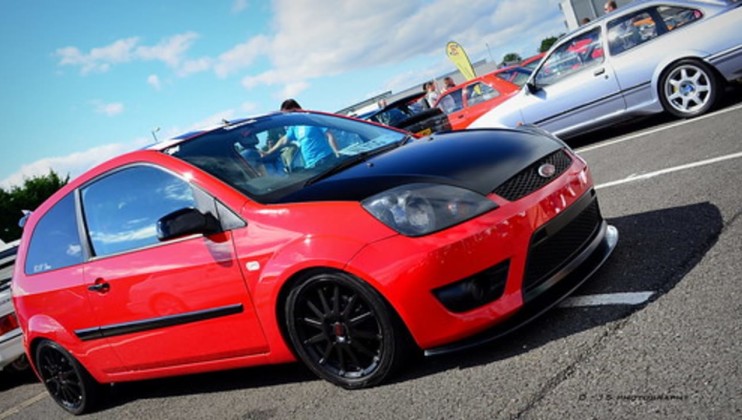

Size is the first ecological advantage. The Fiesta ST’s compact footprint means less material, easier parking and a lighter curb weight than larger alternatives. That advantage translates directly to lower energy use in everyday driving: less mass to move, less inertia to overcome, and fewer resources tied up per mile. In practice this matters when you’re weaving through town or carving a route that prioritises flowing traffic over gridlock. I deliberately chose eco-friendly routes — rural lanes with steady speeds, coastal roads where momentum can be maintained, and ring roads that avoid the constant stop-start of inner-city commutes. On those roads the ST rewarded me with a tidy compromise: engaged driving and sensible fuel use, so long as I refused to be provoked by the car’s performance curses.
Driving technique matters more in the Fiesta ST than some modern turbocharged brethren that practically drive themselves. The car is happiest when you use the manual gearbox to keep revs modest at cruising speeds, shift early on undulating roads and avoid the archetypal hot-hatch temptation to blast every traffic-free straight. That’s not austerity — it’s practical stewardship. On a long, steady road you can sit in a higher gear, enjoy immediate steering feedback and let the lightness and low rolling resistance work for you. The result is a rhythm that’s both pleasingly sporting and kinder to the pump.
Don’t imagine that being eco-minded turns the Fiesta ST into a tameeration. Far from it. The driving chassis remains the car’s highest virtue: direct steering, a planted front end and a chassis that invites commitment. Those traits make it easier to maintain momentum through corners, which paradoxically helps economy — carrying speed through a bend beats heavy braking and re-acceleration, which burns fuel and wears brakes. On the sort of scenic B-roads I favoured, the ST felt like a precision tool: small corrections, precise throttle inputs and the reward of being in the right gear at the right time. It’s a lesson in how driver skill can amplify both enjoyment and efficiency.
Now for some sharp commentary: the Fiesta ST’s temptation is its downfall in the hands of the undisciplined. High-grip tyres, an aggressive exhaust note and a chassis that begs to be hustled will always encourage harder driving, and harder driving equals higher emissions. If you’re buying an ST as an eco-conscious primary car, you must be honest about how you will use it. Weekend hooligan? Expect higher consumption. Daily commuter and occasional canyon-carver? That’s where the ST can be convincing as a smaller-footprint performance car.
Environmental impact isn’t just about what comes out of the tailpipe on a given trip. It’s also about lifecycle considerations — how long the car lasts, how repairable it is, and whether it encourages keeping an efficient vehicle on the road instead of upsizing to an SUV. The Fiesta ST benefits from the inherent practicality of the hatchback bodystyle: compact, easy to maintain and, in my experience, straightforward to work on compared to some of the latest hyper-integrated electrified drivetrains. That implies fewer resources consumed for upkeep and potentially a longer useful life if it’s well cared for. It’s not an electrified panacea, but it’s an argument against the default assumption that only new-technology cars are environmentally responsible.
On the subject of fuelling and real-world efficiency: rather than lead you with numbers I don’t have, I’ll describe behaviour. In mixed driving that included town, B-road and a short motorway stint, I saw consumption that rewarded calm throttle application and early shifts. The right tyres and a conservative right foot will move the needle in your favour. Conversely, spend the same miles exploiting the car’s mid-range urge and the consumption spikes. If you want the ST to be part of a greener lifestyle, make it a principle: avoid aggressive launches, use the gearbox to stay high in the ratios when possible, and plan routes that keep you moving. Modern route planning — choosing roads where you can maintain steady speeds without adding lots of congestion time — is an eco-hack every driver should adopt.
There are some mechanical realities that the Fiesta ST can’t escape. It runs a conventional combustion engine, it does not offer electrified recuperation, and it lacks the no-emissions convenience of an EV in urban centres. But the flip side is that the ST’s lightweight, compact nature and engaging dynamics can reduce the need for more environmentally costly alternatives. If an ST replaces an older, heavier car in your fleet or keeps you from buying an SUV, that’s a net environmental win. The devil is always in the alternatives: buy an ST and drive sensibly, or buy a larger, glitzier car and consume more in every metric? My trendsetting instincts prefer the former when paired with a conscious approach to driving.
Practical tips gleaned from my week-long Eco Adventure with the Fiesta ST:
Choose routes that favour momentum: Flowing B-roads and coastal lanes will let you exploit the ST’s chassis to maintain speed with minimal fuel use.
Fit appropriate tyres when not chasing lap times: High-performance summer tyres are addictive but often trade worse rolling resistance for grip. If your use is mixed, consider a balanced tyre choice.
Short-shift and use the highest comfortable gear: The manual gearbox is your ally for economy. Keeping revs lower at cruising speeds helps fuel consumption.
Maintain a disciplined tune: Avoid aftermarket tuning that boosts power at the expense of emissions unless you have mitigation plans; many modifications increase fuel use.
There are social and cultural observations to make as well. The automotive world is trending hard towards electrification, and hot hatches are not immune to this. Manufacturers are experimenting with electrified performance, and a fully electric hot hatch would eradicate local tailpipe emissions while offering instant torque — an enticing proposition. But until such cars become as accessible and as characterful as the lightweight petrol hot hatch, the Fiesta ST represents a particular kind of compromise that still matters: small, engaging, and potentially low-impact when used with restraint.
Let me be sharply critical in one place: the temptation to drive fast is the ST’s most pernicious feature. Aesthetic design, a firm suspension and an intoxicating steering feel all conspire to make efficient driving difficult for the faint-hearted. Ford’s engineers created a car that rewards keenness, and that is both brilliant and environmentally inconvenient. If you value the planet over podiums, you must value self-control more than applause. Or you could simply keep one foot in both worlds: enjoy the car’s precision on safe roads and be disciplined in daily commuting.
In closing, the Fiesta ST is a stylish counterpoint to the trend for ever-larger, ever-heavier performance cars. It won’t match electrified rivals for zero-emissions city use, nor will it dodge the laws of thermodynamics. What it does offer is an efficient platform for spirited driving that, when respected, can play a sensible role in a more environmentally conscious driving life. The Eco Adventure with the Fiesta ST is not about turning a cannon into a candle — it’s about using intelligence to extract joy with reduced ecological compromise. It reminded me that trends aren’t just about the newest technologies; they’re also about smarter choices in how we use what we already have.
If you’re a driver who prioritises style, compactness and pure driving pleasure but also wants to keep an eye on consumption and environmental impact, the Fiesta ST can be an unexpectedly good match. It asks for discipline and rewards it with precision. And while it won’t be the headline act in a zero-emission future, it stands as a stylish, effective bridge between fun driving and responsible motoring — at least until the next electrified trend arrives and tempts me to change loyalties once again.
Specifications
| Specification | Value |
|---|---|
| Engine | Turbocharged Petrol (EcoBoost) |
| Transmission | 6-speed Manual |
| Drivetrain | Front-wheel Drive |
| Body style | Hatchback (3-door And 5-door Options Have Been Available) |
| Seating | 4-5 |
| Fuel type | Gasoline (petrol) |
| Emissions control | Standard Catalytic Converter And Engine Management Systems |
| Notable features | Sport-oriented Chassis, Compact Footprint, Performance-focused Suspension And Steering |