
Small SUV, Big Compromises: The Volkswagen T‑Cross (2023) Under the Microscope
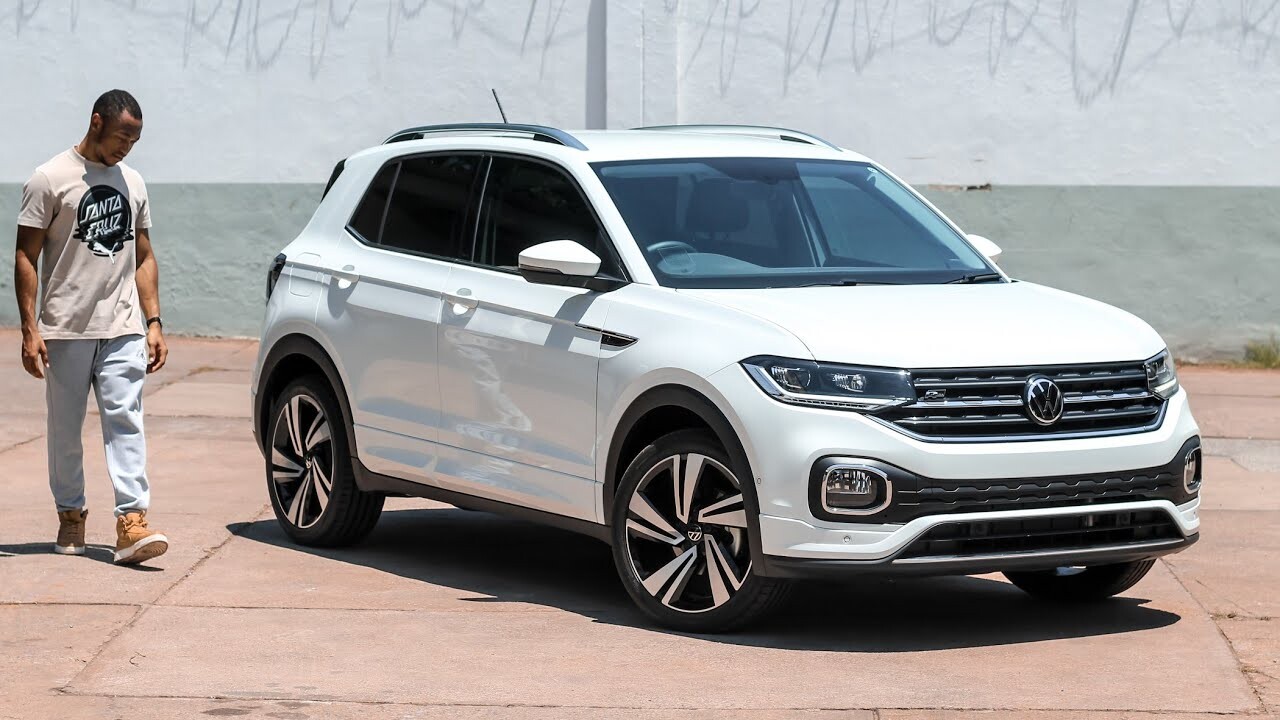

On paper the T‑Cross is a neat, pragmatic response to modern urban mobility: it’s a subcompact crossover built on Volkswagen’s MQB A0 architecture and aimed squarely at buyers who want a raised driving position and a sensible package rather than thrills. That underlying architecture is important because it dictates much of the car’s behaviour. MQB A0 underpinnings bring with them a familiar layout—transverse-mounted petrol engines, front-wheel drive as the baseline, and a compact footprint that prioritises packaging efficiency. For that reason the T‑Cross delivers the predictable pros of the segment: easy ingress and egress, good visibility and a sense of control in town. Those are the fundamentals, and do not underestimate their importance for everyday usability.
Where the T‑Cross starts to show its compromises is when you push beyond those fundamentals. Volkswagen’s small crossovers are engineered to appeal to broad tastes, and the T‑Cross’s chassis tuning reflects that. It’s geared toward comfort first, controlling body motions to keep the ride composed over poor surfaces while muffling sharp inputs so the average owner doesn’t feel unsettled. The trade-off is roll control and immediacy; the steering is light and artificially assisted so it never offers the tactile richness or communicative feedback of a smaller, sharper hatchback. In short: it’s relaxed where I would prefer tautness, which for spirited driving feels like a missed opportunity rather than a flaw for its intended customer.
Technically, Volkswagen fits the T‑Cross with turbocharged three‑cylinder petrol engines in many markets. These units are compact, relatively light and, when well-mounted and insulated, deliver an acceptable balance of performance and economy for city and motorway use. You can expect the driveline to be paired with either a manual gearbox or a dual‑clutch automatic, depending on spec and engine tune. That combination is sensible: manuals give drivers direct control and connection, while a dual‑clutch transmission smooths shifts and keeps the engine in its sweet spot under acceleration—especially useful for rapid overtakes on country roads. The drivetrain delivers predictable, linear torque delivery rather than theatrical shove. As a former race driver I miss instantaneous, wide-band torque from bigger, more performance‑oriented engines, but that isn’t this car’s brief.
Suspension layout and braking package are where the engineering of the T‑Cross reveals its price-point pragmatism. Volkswagen’s approach on vehicles in this class is generally to marry MacPherson strut fronts with a torsion‑beam rear on most trim levels; that configuration keeps costs and packaging compromises in check. The reality of a torsion‑beam rear is that it’s robust, predictable and space-efficient, but it is also a limiting factor for ultimate mechanical grip and the quality of transient responses. In practice the T‑Cross forgives most mistakes—understeer is progressive, and the car settles into a corner without drama—but it will never be razor‑sharp mid-corner. Brakes are adequate for the car’s performance targets; pedal feel is engineered to reassure everyday drivers rather than offer a fingertip‑precise interface that an enthusiast craves. Still, you can modulate the brakes easily and they don’t heat up overly quickly for the kind of spirited driving that’s realistic in normal traffic.
One of the T‑Cross’s strong suits is its ergonomics and packaging intelligence. VW has a long history of designing controls, switchgear and seating positions that feel inherently familiar and durable. The driver’s seat puts you in a slightly elevated, commanding position—valuable in urban traffic and roundabouts—and the visibility outwards is a genuine plus compared with lower‑slung hatchbacks. Inside, the intuitive layout and materials don’t scream luxury, but they communicate solidity and purpose. The infotainment and driver assistance systems are typical Volkswagen: logical menus, clear graphics and a level of sophistication that will satisfy most users without baffling them. Optional digital interfaces and driver aids add polish, but they are there to serve convenience rather than to transform the character of the car.
From a handling perspective I treat compact crossovers like this as chassis exercises rather than brute force experiments. That means paying attention to weight transfer, roll stiffness and tyre selection. The T‑Cross is relatively light compared to larger SUVs, and it benefits from that in responsiveness; change the tyres, and you change its personality. A stickier tyre will mask understeer and make the car feel more confident mid‑corner, while comfort‑biased rubber will smooth bumps but exacerbate the lack of steering feedback. Owners who want a firmer, more engaged feel should start with shop‑level tyre choices before considering any suspension changes. A moderate run‑in for tyre pressures—slightly lower in town for grip, inflated for high‑speed stability—works wonders. Suspension modifications can help, but they must respect the torsion‑beam geometry; lowering without clever damping replacement will upset the roll centres and ruin the compromise Volkswagen engineered into the package.
Fuel economy and real‑world usability are strengths of the T‑Cross. Those small turbocharged petrol units are efficient when driven sensibly; they come alive when kept within their midrange RPM band and they respond well to the gentle prod of the throttle. The T‑Cross is ideally suited for daily commutes and family duties, and in that role it rewards owners with predictability and low running costs. The car’s body structure and passive safety systems also conform to Volkswagen’s emphasis on occupant protection and structural integrity, and the list of available electronic safety aids—lane keeping, autonomous emergency braking, driver fatigue detection—make it a sensible choice for buyers who prioritise day‑to‑day safety over outright performance drama.
That said, I have to be frank about the market position and the compromises that come with it. The T‑Cross sits in a contentious wedge in the lineup: it’s not as premium nor as dynamically talented as pricier compact crossovers and SUV rivals, and it’s more expensive and less sporting than the closest hatchbacks. Volkswagen markets it primarily on practicality, badge appeal and a tidy execution of the crossover brief. If you want a car that is a neutral, safe and comfortable handler for family use, this is an intelligent choice. If you want engagement and an analogue connection between hands, feet and road, you should look elsewhere or prepare to modify.
Practical details matter in this segment. The T‑Cross’s cabin packaging is honest and well thought out: useful cubby holes, sensible switchgear and a layout that prioritises everyday functionality. The rear seats provide a decent amount of space for children and shorter adults; taller passengers will feel the limit of the platform’s packaging on longer journeys. Boot capacity is competitive within the subcompact crossover field and the loading lip and opening are designed for pragmatic use rather than drama. VW’s approach has always been to design cars that disappear into owners’ lives—things you live with rather than objects you constantly admire—and the T‑Cross exemplifies that ethos.
There are also small frustrations that reveal themselves after a week or two of ownership. The steering feel is artificial at low speeds and remains somewhat insulated at higher speeds; torque steer is minimal thanks to front‑wheel drive calibrations, but you lose some driver engagement as a consequence. Road noise isolation is competent, but not exceptional: coarse tarmac and larger joints transmit into the cabin more than I’d prefer for what is often a city‑commuter car. The small‑engine vibration can be felt under hard acceleration in certain rev ranges; Volkswagen does a good job of isolating it, but the sensation remains perceptible to a sensitive driver. These are not deal‑breakers for the intended buyer, but they matter to someone who cares about the fine edges of the driving experience.
From a tuning and driver‑improvement perspective, there are constructive things owners can do without turning the car into something it was never meant to be. A careful tyre upgrade to a higher‑grip, road‑orientated compound will transform turn‑in and mid‑corner confidence. Reprofiling the damping curve with adjustable dampers is an option on higher trims or aftermarket kits, but it must be done with an understanding of the torsion‑beam rear’s limitations. Braking feel can be sharpened with improved pads and better fluid, and a sympathetic wheel alignment—slightly more front camber for cornering—can tighten the car’s responses without impacting tyre life dramatically. Any changes should respect the car’s safety systems, and owners should remember that the T‑Cross’s chassis is optimized for everyday resilience, not track dominance.
In the wider editorial sense, the T‑Cross exemplifies an industry trend that I have written about angrily and often: the mass migration from small cars to small crossovers has delivered convenience at the price of driving purity. Manufacturers like Volkswagen are excellent at packaging and engineering compromise; the T‑Cross is evidence of that skill. It caters to an audience that wants space, a higher driving position and the psychological reassurance of an SUV silhouette. But every one of those choices filters back into the driving experience. If the market rewards bland competence, we get cars like the T‑Cross—very good at being ordinary, but not much more. As an enthusiast and a former racer, I miss the days where compact cars were lithe, communicative and unfailingly rewarding to drive. Still, the T‑Cross is not pretending to fill that void, and judged by its own brief it largely succeeds.
So who should buy one? If you’re a family buyer, a city commuter who wants the extra practicality, or someone who appreciates Volkswagen’s layered approach to trim and options, the T‑Cross will deliver exactly what you need: an easy-to-live-with, safe and efficient urban crossover. If you are someone who demands a visceral connection to the road or who plans to exploit the limits of a chassis on windy B‑roads, look at sportier alternatives or be prepared to invest in careful upgrades. The T‑Cross is competent, considered and characteristically sensible—qualities I respect even if they don’t make my pulse race.
In the end, I judge cars by how truthfully they do what they claim to do. The Volkswagen T‑Cross (2023) claims practicality, safety and everyday comfort, and it delivers those virtues without fuss. It’s a demonstration of modern automotive compromise: efficient packaging and broad appeal at the expense of raw engagement. As a former racer who still loves to feel a car’s raw honesty, I find that tension fascinating. The T‑Cross is not for me as a performance toy, but as a measured, competent tool for modern life it’s hard to fault. In a marketplace that rewards safe choices, Volkswagen has built a car that will satisfy many owners—and that, ultimately, is the point.
I’ve spent a career chasing tenths around Le Mans and Daytona, so I don’t hand out praise for chassis feel lightly. The T‑Cross (2023) is not a car I’d pick for a canyon blast—but then, it wasn’t built for that. What Volkswagen has delivered is a competent, forgiving and thoroughly sensible small crossover that nails the brief for family life and daily commuting. It’s roomy for its footprint, quiet enough at speed, and predictable when you ask it to be. As a former racer I winced at the muted steering and the soft, understeery balance on a twisty road, but I also appreciated how the car forgives mistakes and keeps occupants comfortable when real life throws potholes and traffic your way. My bar remains driver engagement, and here the T‑Cross pays a tax for convenience. If you want sharper responses out of one of these, start with better tyres, a sympathetic brake pad upgrade and careful alignment tweaks; they unlock the platform without turning it into something it’s not. Be cautious with lowering or crude suspension swaps—the torsion‑beam rear and VW’s geometry are easy to upset. On safety and practicality it ticks the boxes modern buyers want, and that’s why it will sell. The wider point I’ll be blunt about: the industry keeps nudging small cars into crossover bodywork and packaging compromises. The T‑Cross epitomises that trend — smart, sensible, popular — but it also reminds me that real driving purity is becoming a boutique choice. If you want a calm, efficient, safe and well‑built daily driver with excellent packaging, the T‑Cross is an intelligent buy. If you want a car that excites your hands and rewards aggressive inputs, look elsewhere or budget for the upgrades I suggested. That’s the trade‑off in 2023: convenience versus connection, and the T‑Cross chooses convenience — and does it very well.
Specifications
| Specification | Value |
|---|---|
| Market | UK |
| Platform | MQB A0 |
| Body type | Subcompact Crossover / 5-door |
| Seating capacity | 5 |
| Drivetrain layout | Front-engine, Front-wheel Drive (baseline) |
| Engine type | Small Turbocharged Petrol Engines (three-cylinder Units, Market Dependent) |
| Transmission options | Manual And Dual-clutch Automatic (DSG) Available |
| Front suspension | MacPherson Struts |
| Rear suspension | Torsion-beam Rear On Most Trims |
| Steering | Electrically Assisted Steering |
| Brakes | Front And Rear Disc Brakes (standard For Segment) |
| Boot capacity | Competitive For The Subcompact Crossover Segment |
| Infotainment and assistance | Modern VW Infotainment Available; Driver Aids Such As Lane Keeping, Autonomous Emergency Braking And Fatigue Detection Available Depending On Trim |