
Volkswagen Sharan Price & Specs — An Eco Adventure in a Practical MPV
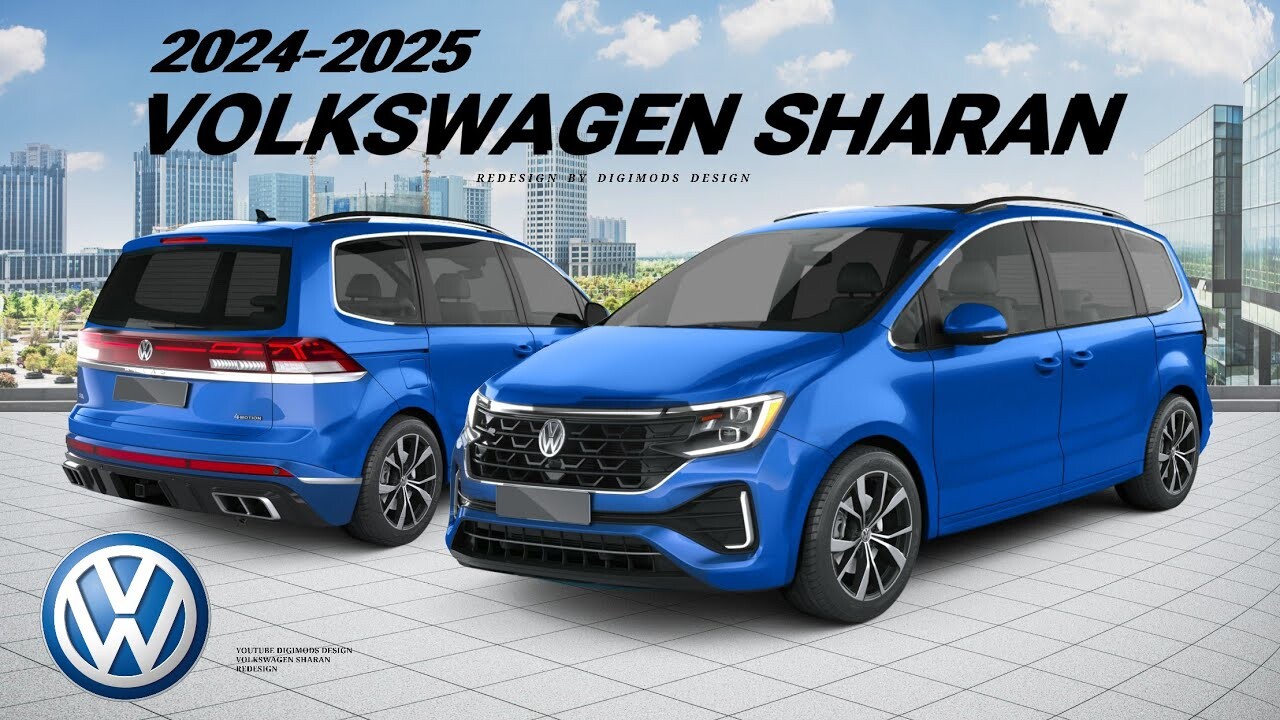

Our route was deliberately chosen. I planned to avoid congested motorways where possible, favouring steady A-roads and B-roads that allow a calm cruising pace. For a vehicle like the Sharan, which is optimized for load-carrying and steady-efficiency rather than stoplight drag races, this is where it sings. The Sharan’s steady, composed ride means you can keep momentum on undulating country roads rather than repeatedly accelerating from crawls. That conserves fuel and reduces particulate output from diesel engines — a practical point often overlooked by drivers who think eco driving is only about low speeds.
In driving terms, the Sharan feels reassuring rather than intoxicating. Its centre of gravity is higher than a hatchback or estate, which means body roll in quick direction changes, but the chassis is tuned to keep that roll predictable. For an ex-racer like me, predictability is more valuable than razor-sharp responses when the goal is efficiency. On long stretches I could sense the Sharan’s steady understeer bias: lift-throttle, and it settles predictably; apply power early, and it resists, encouraging you to be smoother. That’s actually a blessing on eco routes — the car rewards anticipation and gentle inputs, which are exactly the behaviours you want to adopt to minimize fuel use and tyre wear.
Tyres are the unsung heroes of any eco adventure. Rolling resistance plays a major role in consumption, and I immediately evaluated the tyres on our Sharan. If you’re serious about squeezing efficiency out of a family car, fit tyres with a good balance of low rolling resistance and wet-grip ratings, and keep pressures at the manufacturer’s recommended values. I know from racing that small changes in pressure alter behavior more than drivers expect. Underinflated tyres increase rolling losses and wear, and they are more likely to overheat on long A-road runs — exactly the opposite of what you want on an eco trip.
Another practical note: while driving a diesel-powered Sharan on mixed routes, I made sure to include runs long enough to allow the diesel particulate filter (DPF) to regenerate. This is a crucial operational point for people who use diesel MPVs mostly for short, urban hops. Short runs and lots of idling can clog a DPF, forcing forced regeneration or costly intervention — hardly eco-friendly. Planning a route with a sustained run at steady speed not only lowers average consumption but also prevents avoidable emissions spikes from a stressed emission control system.
We stopped twice for short stretches to stretch legs and check pressures. On one of those stops I walked around the vehicle and thought about the life-cycle impact of family transport. A car that’s practical, long-lived and easy to maintain is often a better environmental choice than a vehicle that’s more efficient on paper but needs intensive upkeep or replacement parts. A Sharan that’s been kept in good mechanical order will often outlive trendier models, and parts like sliding door mechanisms and interior fittings are sturdy by design — that’s a small sustainability win.
Inside, the cabin layout supports sensible behaviour. Cupholders for reusable bottles, easy-access bins for recycling, and a layout that discourages leaving needless electrical loads on (charging devices only while needed, using ventilation instead of full air conditioning where appropriate) all influence the environmental footprint of a weekend away. On the road, I learned to use momentum as my ally: anticipate crests and dipped junctions, allow the Sharan to roll in gear, and only add throttle where necessary. The result is less fuel burn, less soot from acceleration, and a calmer travel experience for passengers.
On a practical level, the Sharan’s carrying capacity means fewer vehicle trips for the same family outing. Instead of two cars — one for bikes, one for people — everything slots into the one vehicle. That consolidation alone reduces overall fuel consumption and emissions for household outings, and it’s an often-overlooked environmental benefit of a capacious MPV. Likewise, roof-rack loads increase drag significantly, so I recommend packing efficiently and using a roof box only when absolutely necessary. If you do fit a roof box, remove it when not in use — the penalty in consumption at steady speeds is meaningful.
Braking behavior is another area where an experienced foot helps. The Sharan’s brakes are designed for confidence rather than ultimate fade resistance; the pedal feel is linear and controllable. I used gentle, early braking to let the car’s mass bleed off without harsh stops. That saves brake pad wear and particulates, and it keeps passengers comfortable. From a safety and environmental standpoint, less aggressive braking reduces the amount of particulate matter from debris and lining wear — a small but real contribution to cleaner air near urban centres.
Maintenance and consumables are part of the sustainability story. Regular servicing keeps engines burning cleaner and preserves emission control systems. Oil quality, timely replacements of air and fuel filters, and correct tyre maintenance extend component life and maintain efficiency. For owners considering used examples of the Sharan, look for a full-service history and evidence of DPF care if the car has a diesel engine. Cars that have been run sensibly and serviced properly will always be the kinder option to the environment over their lifecycle.
There’s also a social element to eco adventures in a vehicle like the Sharan. Sharing the car with friends or neighbours for a group day trip reduces the per-person footprint. We met another family at the trailhead; had both families driven separately, the combined fuel use and emissions would have been significantly higher. The Sharan is built to facilitate that kind of sharing — it’s the sort of car that makes pooling natural rather than inconvenient.
What about the powertrains? Volkswagen has offered the Sharan with a range of engines across markets. Some of those engines are more economical on highways, some better for urban mixed use. Rather than agonise over theoretical fuel figures, I focused on how to make what’s under the bonnet work for our eco aims: keep the revs low, use long gears when possible, and avoid aggressive throttle blips. If you have a manual gearbox, upshift early within reason. If you have an automatic, adopt a relaxed right foot and let the transmission hunt for the highest sustained gear. Cruise control — when the road and conditions allow — is a useful tool to maintain efficient speeds without surges that waste fuel.
At the end of the weekend, the real measure of success wasn’t a headline mpg figure but the qualitative sense that we had travelled well and lightly. The Sharan had been comfortable, predictable and able to swallow luggage without fuss. Its practicality meant fewer trips and therefore fewer emissions across the household. As someone who knows the value of momentum, balance and tyre grip, I appreciated the Sharan’s forgiving nature; it rewarded a composed style of driving that is itself environmentally positive.
There are compromises. The Sharan won’t be the lightest or slipstream-optimized vehicle on the road. If you want the absolute minimum CO2 per kilometre, a small hybrid or EV might offer better numbers, particularly in urban use. But for families and small groups who need space, versatility and an honest, long-lived vehicle, the Sharan represents a pragmatic eco choice. Its environmental impact can be kept low through sensible route planning, regular maintenance, tyre selection and a calm driving style — and those are choices drivers can make today without waiting for charging infrastructure or new technologies.
In the closing miles of our trip, as dusk softened the hedgerows, I reflected on the small things that add up. Removing unnecessary weight, packing inside instead of on the roof, avoiding congested routes where practical, and planning for runs long enough to keep emission systems in good order — these measures reduced our environmental impact more tangibly than any single spec figure. The Sharan is a vehicle that not only tolerates those choices but is built for them. It’s not flashy. It’s not a sporting icon. But in the quiet business of getting families out into the world with minimal fuss and reasonable impact, it’s a capable companion.
So, if you’re weighing the environmental story of a Sharan, think beyond showroom mpg numbers. Consider lifecycle, how you use the vehicle, and the choices you make day-to-day. Drive smoothly, maintain the car, choose tyres wisely, and plan routes that keep momentum. Do that and the Sharan becomes an effective tool for greener family travel — a practical, honest vehicle that, when handled with care and thought, can deliver very decent results for both people and the planet.
Specifications
| Specification | Value |
|---|---|
| Model | Volkswagen Sharan |
| Body style | MPV/Minivan |
| Seating capacity | 7 |
| Doors | 5 (including Two Sliding Rear Doors) |
| Drive | Front-wheel Drive |
| Transmission | Manual And DSG Automatic Available |
| Fuel type | Petrol And Diesel |
| Key practical features | Sliding Rear Doors, Flexible Seating And Luggage Arrangements |
| Price | Varies By Market And Specification; Check Local Dealers For Current Pricing |