
Small Body, Big Attitude: Real-World Notes from Living with the Mercedes‑Benz GLB (2022)
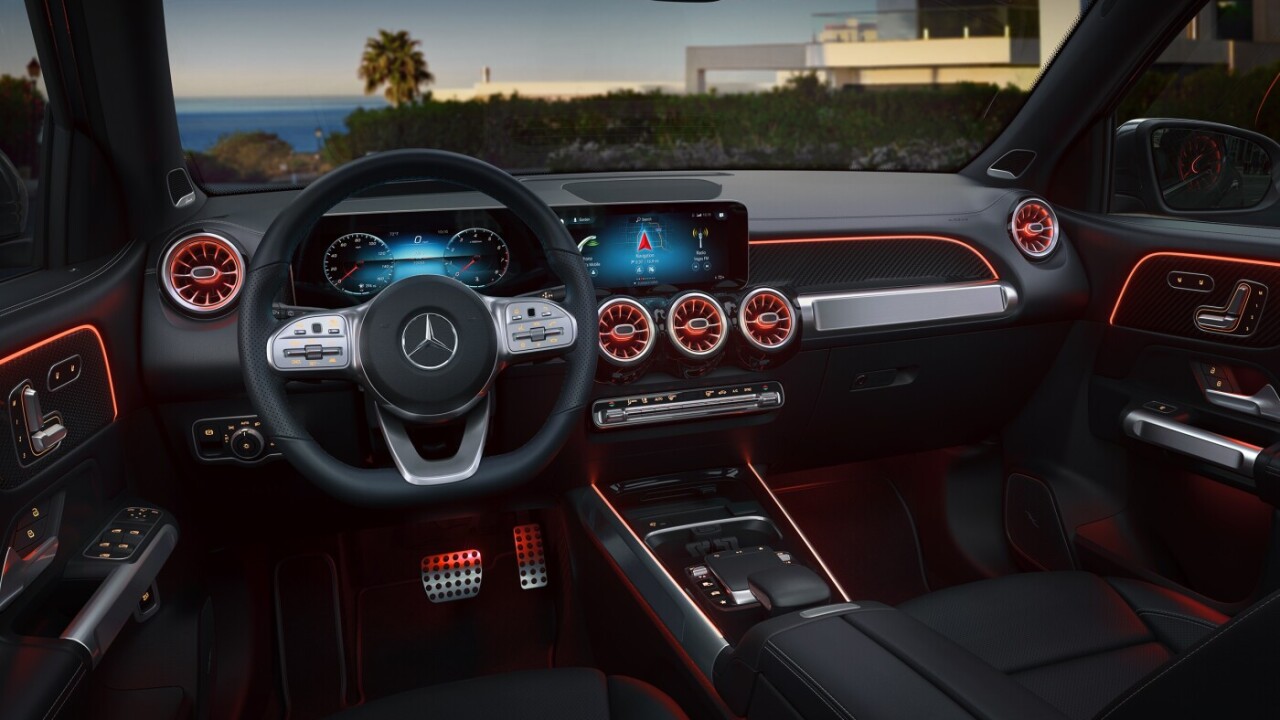

First impressions matter and the GLB’s boxy silhouette instantly telegraphs usefulness. From the driver’s seat you get a straightforward, tall cabin that makes ingress and egress easy — exactly the sort of thing I appreciate when I’m loading gear or hauling the family. The seating position is more upright than a sporty hatchback but not truck-like; it feels confident, and the visibility forward and out of the sides is generally excellent. That tall roofline does more than give character: it creates usable headroom that frees you from the cramped feeling you sometimes get in modern crossovers.
Inside, Mercedes kept the premium cues without going overboard. Surfaces that frequently see contact feel solid, and the layout of controls is intuitive once you get used to the brand’s quirks. The infotainment system gets a lot of attention, and for good reason — its screens and voice interface add a modern touch that most buyers now expect. In practice, I found the voice commands handy when I was on the move; they aren’t perfect, and sometimes you still need to tap the screen, but overall they reduce fiddling while driving. Practical details like cup holders, door pockets, and a decent center bin make life easier on the day-to-day, and that’s the kind of thing you only come to appreciate after a few weeks of actual use.
One of the GLB’s headline features is the optional third row. I’ve used it mostly for kids and occasional extra passengers — in that role it’s fine. It’s not a permanent adult space, but for short trips it works, and it gives the GLB real versatility that many rivals don’t offer. Families who need a compact car that can occasionally carry more people will find that flexibility useful. The trade-off, naturally, is cargo space when the third row is up; folding it flat opens things back up to carry a pile of weekend gear or a couple of bikes with the rear wheel removed. For me, that flexibility makes the GLB a better tool for weekend adventures than many same-size crossovers.
Driving dynamics are an interesting mix of comfort and composure. The GLB is tuned toward everyday comfort rather than sporting thrills, but it handles its weight competently, especially on twisty mountain roads where it remains surprisingly composed. The steering has a predictable weight to it and the chassis stays stable when you push into turns; it never feels playful, but it also doesn’t feel nervous. On the highway it’s relaxed — the car eats miles without fuss, and the cabin stays relatively quiet under steady cruising. For daily duty and weekend escapes, that’s a useful balance.
Now, I’m often asked how these compact crossovers perform off the beaten path. Let me be blunt: the GLB is not a rock-crawler, and it’s not designed for extreme off-road use. That doesn’t mean it’s helpless. With the four-wheel-drive option, the GLB manages gravel fire roads, muddy farm tracks, and light snow with confidence. Ground clearance, approach and departure angles aren’t things Mercedes advertises for this model the way an SUV brand would, so you’ll want to be sensible about obstacles, but for the sort of off-grid runs I enjoy — dirt tracks to trailheads, overgrown logging roads, and winter access routes — the GLB will get you there with the right tires and a careful driver behind the wheel. Larger wheels and low-profile tires, however, blunt that capability and make the ride firmer; if you plan to do a lot of rough-surface driving, pick wheels and rubber that favor comfort and sidewall protection.
Practicality extends to useful details that matter when you actually live with a car. Roof rails are effective for carrying packs, kayaks, or a low-profile roof box; the cargo floor is squared off enough for efficient packing; and the rear tailgate opens wide and easy. Little things — like the height of the cargo lip, the availability of tie-down points, and the presence of a 12-volt socket back there — add up. I loaded gear, coolers, and a couple of duffels without drama and the GLB handled it like a sensible small adventure rig rather than a frail city-only crossover.
Reliability and ownership are where real-world buyers live or die, so let’s talk about that in plain terms. German luxury cars often offer advanced technology and premium finishing, but that tech can be expensive to repair once the warranty ends. From my experience and conversations with owners, most GLBs are trouble-free in regular use, but as with many modern cars the complexity of electronics and nimble drivetrain technology means parts and labor can be pricey at boutiques and dealers. If you’re buying new, understand that dealer service and scheduled maintenance will likely be more costly than mainstream brands. If you’re buying used, a solid service history and, ideally, some remaining warranty coverage are comforting. I also recommend a pre-purchase inspection from a mechanic familiar with European cars; it’s cheap insurance for the kinds of maintenance items that become noticeable once the car leaves the dealer bubble.
On the subject of long-term ownership, software plays an increasing role in the Mercedes experience. Over-the-air updates and dealer updates can improve features or fix bugs, and owners will want to keep their systems current. The voice assistant, nav maps, and safety features are all software-driven to some degree, so the practical reality of ownership includes managing those updates. In my time with the GLB, keeping the software updated noticeably improved user experience, especially for connectivity and navigation quirks.
Fueling and efficiency are topics people bring up, but since fuel consumption varies so widely with driving style, load, and terrain, I’m not going to quote numbers. Instead, I’ll say this: the GLB behaves like a modern small crossover — it’s efficient enough for everyday commuting and capable on longer trips, but your mileage will take a hit when you’re loaded up for camping or carving through snow and mud. If you plan on frequent heavy loads or long-distance towing, choose options and configurations that match that usage and keep realistic expectations about consumption.
Comfort for passengers is genuinely good. Rear-seat occupants benefit from the headroom I mentioned earlier, and the ride absorbs the odd pothole and rough patch without tossing passengers around. For families with children, the GLB is a practical taxi: car seats install easily, and the tall doors and comfortable seat height make strapping kids in quicker than many lower cars. The optional extras, such as upgraded upholstery or climate control packages, are worth considering if you spend a lot of time in the car — they’re the difference between a pleasant cabin and a particularly enjoyable one on long routes.
Another angle I pay attention to is everyday visibility and lighting. The GLB gives a good driving view and modern headlamp systems make nighttime driving comfortable. Parking sensors and camera systems help in tight urban settings, and the sense of small SUV maneuverability means I never felt like I was stuck in a too-big machine when threading through city streets or narrow camp access lanes. If you live in a city with tight parking or frequently navigate narrow backroads to reach a trailhead, the GLB’s footprint and visibility are definite positives.
Ownership costs beyond maintenance are worth thinking about. Insurance for premium-branded vehicles can be higher than mainstream options, and replacement parts or collision repairs may carry a premium. That’s standard for this market segment — you pay for refinement and brand, and you’ll pay a bit to keep it that way. For many buyers the benefits are worth the cost: the GLB delivers a quiet, comfortable, and well-appointed package that wears its Mercedes badge with reasonable dignity.
Now for my favorite part: how the GLB behaves when you treat it like an adventure companion rather than a commuter-only appliance. Loaded with weekend camping gear, a mid-sized roof box, and chunky trail shoes in the trunk, the GLB proved to be an adaptable partner. It’s nimble enough to park in tight trailhead lots, sturdy enough to traverse rutted service roads, and comfortable enough to make the drive to remote lakesides pleasant. I wouldn’t use it as a substitute for a dedicated overland rig, but for a lot of outdoorsy people who want a premium cabin and occasional light off-road capability, it’s a very sensible choice.
Customization and aftermarket support are reasonable. You’ll find roof racks, protective body trim, and more rugged tires available through third-party suppliers — items that can enhance the GLB’s utility without changing its character. Owners looking to improve capability should prioritize tire choice and suitable protective gear rather than radical lifts or oversized wheels, which can upset handling and ride comfort.
What I like most about the GLB is its measured versatility. It isn’t flashy or extreme; it’s practical in a way that’s attractive to people who actually use their vehicles. The optional third row is a welcome feature for families, the cabin is usable and comfortable, and the available all-wheel-drive system provides peace of mind in poor conditions. It’s the kind of car you can take on a family vacation, park at a trailhead, or drive through a winter storm and still feel like you’re in control. That reliability-in-practice vibe is what convinces me to recommend the GLB to buyers who want a premium feel without sacrificing everyday functionality.
That said, caveats exist. The GLB is a Mercedes, and that means dealing with the brand’s ownership realities: potentially higher maintenance and repair costs, complex electronics, and the usual premium pricing for options. If you’re someone who dislikes the idea of expensive out-of-warranty repairs, factor an extended warranty or certified pre-owned program into your plan. If you live in an area where serious off-roading is part of life, a more rugged, purpose-built vehicle might be a better fit.
In closing, the Mercedes‑Benz GLB (2022) is a thoughtful package for the person who wants premium touches in a compact footprint and occasional light off-road capability. It’s practical where it counts, offers versatility that many rivals don’t, and delivers a comfortable, composed ride for most conditions you’ll realistically throw at it. It’s not a hardcore adventurer, but it’s a dependable, well-mannered companion for weekend escapes and daily life alike. If you value flexibility, decent capability on loose surfaces, and a premium cabin without stepping up to a larger SUV, the GLB deserves a look — just go in with realistic expectations about ownership costs and know that a little sensible preparation (good tires, basic protective gear) will extend the fun well beyond paved roads.
I’ll be straight with you — I like the GLB. As an off-road-minded reviewer who also appreciates day-to-day practicality, the GLB (2022) hits a comfortable middle ground: it’s a compact, tall Mercedes that gives you a premium cabin, genuine versatility (hello, optional third row), and AWD that’ll handle gravel tracks, snow and muddy farm lanes without drama. It’s not a rock‑crawler and you shouldn’t buy one if you want to go full overland, but with the right tyres and a little common sense it’s a brilliant weekend adventurer that won’t feel out of place on the school run. I appreciate its composed ride, roomy rear packaging and the fact Mercedes didn’t pretend this little SUV was something it isn’t — comfort and usability were the priorities. A couple of friendly warnings: dealer servicing and parts follow the usual premium-brand pattern (plan for higher running costs), and avoid low-profile wheels if you actually plan to stray off paved roads. If you want a compact family SUV with a Mercedes interior, real-world flexibility (including a kid-sized third row) and light‑duty off‑pavement capability, the GLB is worth a close look. For heavy-duty off-roading, look elsewhere, but for everything in between it’s a capable, well-rounded choice.
Specifications
| Specification | Value |
|---|---|
| Model | Mercedes-Benz GLB |
| Model year | 2022 |
| Body style | Compact Luxury Crossover SUV (5-door) |
| Seating capacity | Up To 7 (optional Third Row) |
| Drivetrain options | Front-wheel Drive Or 4MATIC All-wheel Drive |
| Engine types | Petrol And Diesel Options Available (varies By Market And Trim) |
| Transmission | Automatic |
| Roof rails | Available |
| Market | UK |