
Green Heritage: Tracing the Eco Evolution of the BMW 3 Series — A 2022 Retrospective
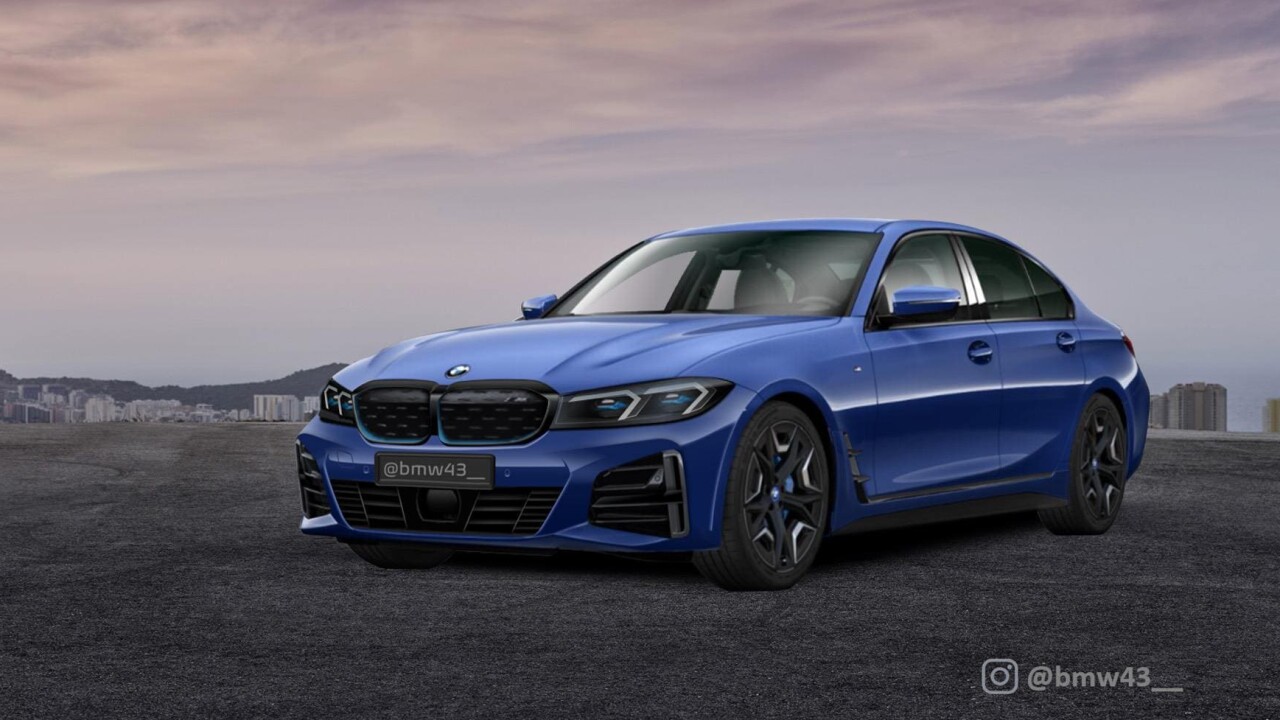

From the first E21 to the 2022 model, the 3 Series is a lesson in incremental yet purposeful evolution. The original 3 Series was born from a simple brief: create a driver-focused car that is compact, light, and rewarding to drive. Style was functional, and weight and balance were the currency of performance. Over decades the recipe has changed ingredients while keeping the taste: more technology, more comfort, and inevitably more complexity. What interests me as a trend-aware observer is how BMW has tried to preserve the model's sporting DNA while layering in powertrain changes and manufacturing shifts that respond to ecological concerns.
By 2022 the 3 Series family is broader than ever. It comprises traditional internal combustion engines, diesel offerings in markets where that remains relevant, and importantly, electrified variants. The plug-in hybrid variant — commonly referenced in conversations around the 3 Series — stands as the most explicit statement of intent. It allows drivers to make genuinely low-emission commutes when charged, while retaining the flexibility of a combustion engine for longer trips. In a historical context, this is a fairly rapid shift. A generation ago, such hybridization was unusual in mainstream premium sedans. Today it is part of the expected toolkit for minimizing tailpipe emissions without forcing a full pivot to battery electric vehicles for every buyer.
That said, evaluating environmental impact is never limited to on-road emissions. Lifecycle thinking has changed how I judge cars. The 3 Series of 2022 inherits production processes and materials choices influenced by broader BMW Group commitments to reduce CO2 across manufacturing and supply chains. I cannot claim precise figures for production emissions in each factory, but the trend across the industry — and within BMW's public sustainability narratives — is toward greater use of renewable energy in factories, more recycled content, and attention to responsible sourcing. When I sit behind the wheel of a car today, I think about where the metals and plastics came from and how the vehicle will be processed at end of life. The 3 Series does not stand apart from this movement; it reflects it.
Aesthetically the 2022 3 Series continues the brand’s language of restrained aggression. As a trendsetter, I admire how design cues that once marked performance models are now used to signal efficiency: cleaner surfaces, slimmer lighting signatures, and aerodynamic detailing serve both style and economy. Aerodynamics play a surprisingly large role in a car's real-world environmental performance. On long eco-oriented drives — think undulating coastal highways or efficient mountain pass routes where maintaining momentum beats repeatedly accelerating — a 3 Series that slips through the air with minimal fuss will use noticeably less fuel than one that fights the wind. Designers learned long ago that hood angles, mirror shapes, and even wheel design are part of the aerodynamic conversation; in 2022 the 3 Series benefits from that accumulated knowledge.
Powertrain efficiency in the 3 Series story is not a single chapter but a series of edits. BMW's move to apply technologies such as turbocharging, direct injection, and at times mild-hybrid systems was aimed at extracting more work from less fuel. In markets where diesel continues to be offered, those engines historically provided strong real-world efficiency on the highway. The plug-in hybrid variant takes a different tack: by adding an electric drive component the car can eliminate local tailpipe emissions for short trips and drastically lower fuel consumption when the battery is used intelligently. I have used the plug-in 3 Series on urban runs and watched its electric mode transform the character of the car from a traditional sport saloon into a serene commuter. The absence of engine noise at low speeds is a stark reminder that part of our ecological obligation is to consider the human-scale benefits of reduced local emissions, particularly in dense urban environments.
Driving the 3 Series in an eco-minded way is both a technical exercise and a cultural one. Many owners are surprised to learn how much route choice, timing, and simple driving technique can influence consumption. I often plan routes that prioritize steady speed, regenerative braking opportunities for hybrids, and fewer stops. These choices align with a larger, more sustainable approach to motoring: traveling less quickly but more deliberately. On a coastal eco-route I prefer to balance the throttle and let momentum work in my favor; in a hybrid 3 Series, that strategy magnifies the advantages of energy recuperation and short electric-only segments.
Charging infrastructure and the user's charging habits are critical to realizing the eco benefits of the plug-in variants. As someone who writes about trends, I pay attention to how infrastructure shapes ownership. In cities where workplace or street charging is sparse, plug-in hybrids can still offer benefits but require diligence from owners to plug in regularly; otherwise, they become heavier petrol cars with dead batteries. Conversely, in regions where overnight home charging and public fast-charging networks are common, a plug-in 3 Series can be a low-emission daily driver for many commuters. This real-world variability is central to my analysis: the same car performs very differently from an environmental perspective depending on how and where it is used.
It is tempting to frame the 3 Series as either a relic of the combustion era or a bridge to electrification. I prefer to see it as a transitional icon. BMW's broader electrified lineup — with vehicles designed from the ground up as EVs — signals where the company is headed, yet the 3 Series remains the tactical choice for buyers who want an amalgam of tradition and progress. The 2022 model showcases how manufacturers can fuse performance cues with eco-conscious systems without losing identity. It is also a reminder that transitions are often gradual; mainstream premium buyers expect refinement, which requires time and iteration to achieve at scale.
When I evaluate environmental impact, I also consider materials and cabin choices. Luxury brands have increasingly introduced options that reduce ecological footprint: recycled textiles, plant-based leathers, and responsibly sourced trims. I appreciate when manufacturers make these options visible and attractive, because style sells sustainability. The 3 Series can be specified in ways that feel modern and mindful; interiors that emphasize clean, simple surfaces and natural materials help shift consumer perception — making eco-friendly options aspirational rather than apologetic. That shift in consumer taste is a trend I track closely: aesthetics can be a powerful lever for environmental progress.
On eco-routes where scenery and serenity matter, the 3 Series has a unique duality. Behind the wheel of a petrol car on a long, relaxed drive, the 3 Series delivers the tactile engagement that enthusiasts cherish: direct steering, composed chassis behavior, and chassis tuning that rewards courteous, efficient driving. In its electrified guise, the same car becomes quieter and more composed at low speeds, a quality that enhances enjoyment on morning commutes and residential streets. Both characters have their place. What matters for sustainability is choosing the mode that aligns with the trip: electric for short urban hops, combustion for longer drives where infrastructure or charging time is limiting.
Policy and market trends are reshaping the 3 Series' future as well. Regulatory pressure on fleet emissions and incentives for electrified vehicles influence both manufacturer strategy and buyer decisions. I have seen buyer demographics shift: earlier adopters of hybrids were often pragmatic urban professionals; now the market encompasses families and executives who see electrification as both a practicality and a fashion statement. As a trendsetter, I find that pairing environmental responsibility with design desirability is crucial. The 3 Series, by retaining its hallmark silhouette while integrating cleaner technologies, manages to make sustainable choices feel stylish.
There are limits to what a 3 Series can achieve in isolation. Full decarbonization of mobility will require changes beyond engine technology: smarter urban planning, stronger public transport, cycling infrastructure, and different expectations around when and why we use a car. That said, for those who must travel by car, selecting the most efficient and well-executed option makes a real difference. The 2022 3 Series is a pragmatic tool in that landscape: it offers a pathway to lower emissions without demanding that owners abandon the features they value most.
Concluding my retrospective, I return to the emotional core of why the 3 Series matters. It is not simply a product; it is a cultural artifact that has adapted to changing tastes and responsibilities. The 2022 model sits within an arc of continual refinement — one that increasingly includes environmental stewardship as a central criterion rather than as an afterthought. For buyers seeking a stylish, capable compact executive car that can be configured for lower emissions, the 3 Series represents a compelling compromise. It preserves the brand’s driving ethos while acknowledging that aesthetics and environmental performance must now go hand in hand.
If you ask me what to do with a 2022 3 Series as an eco-conscious driver, I offer a few practical notes from experience. Prefer the plug-in variant if your daily pattern allows regular charging; specify low-rolling-resistance tires and aerodynamic wheel options if available; plan routes that emphasize steady cruising and regenerative opportunities; and consider interior material choices that reduce environmental impact while satisfying your sense of style. These are not revolutionary prescriptions, but small, cumulative choices that align with the historical trajectory of the 3 Series: steady improvements tuned for a changing world.
Ultimately, my view is that the BMW 3 Series of 2022 exemplifies how a lineage can evolve responsibly without losing the qualities that made it a legend. It is a reminder that luxury and sustainability are not mutually exclusive and that design-led thinking can help usher in more responsible motoring. For readers who care as much about how their car looks as they do about how it breathes, the 3 Series shows that heritage and green ambition can coexist — quietly, efficiently, and with undeniable style.
As I look back across the BMW 3 Series lineage, the 2022 iteration reads like a careful chapter in a long-running style and engineering story. I see it as a transitional icon: one foot planted in the model’s original doctrine of balance, driver focus and restrained elegance, the other stepping toward an eco-conscious future through electrified powertrains and cleaner production choices. The 3 Series’ aesthetic remains taught and purposeful — it still wears athletic proportions and purposeful detailing in a way that makes sustainability feel stylish rather than punitive. Technically conservative but trend-aware, the 2022 range lets buyers choose how loudly they want to shout the brand’s sporting pedigree or whisper a greener intent. The plug-in hybrid variants are the clearest statement of that balancing act — brilliant for urban calm and local zero-emission trips when charged, but entirely pragmatic for longer journeys when the combustion engine takes over. My verdict, from a historical and design-forward perspective, is that BMW has managed the difficult task of evolving a beloved nameplate without erasing its DNA. For readers who value heritage, tasteful design and a credible route toward lower local emissions, the 2022 3 Series is a persuasive, stylish step forward — provided you pick the powertrain and options that match your real-world routine.
Specifications
| Specification | Value |
|---|---|
| Manufacturer | BMW |
| Model | 3 Series |
| Model year | 2022 |
| Body styles | Saloon (G20) And Touring (G21) Where Offered |
| Seating capacity | 5 |
| Powertrains | Petrol, Diesel (market Dependent), Mild-hybrid Variants, Plug-in Hybrid (PHEV) |
| Drivetrain options | Rear-wheel Drive And XDrive All-wheel Drive (market Dependent) |
| Transmission | Automatic Transmissions Commonly Offered |
| Notable technologies | Turbocharged Petrol Engines, Mild-hybrid Support, Plug-in Hybrid Systems, Aerodynamic Enhancements |
| Interior options | Recycled Textiles And Alternative Leather/trim Options Available In Some Specifications |