
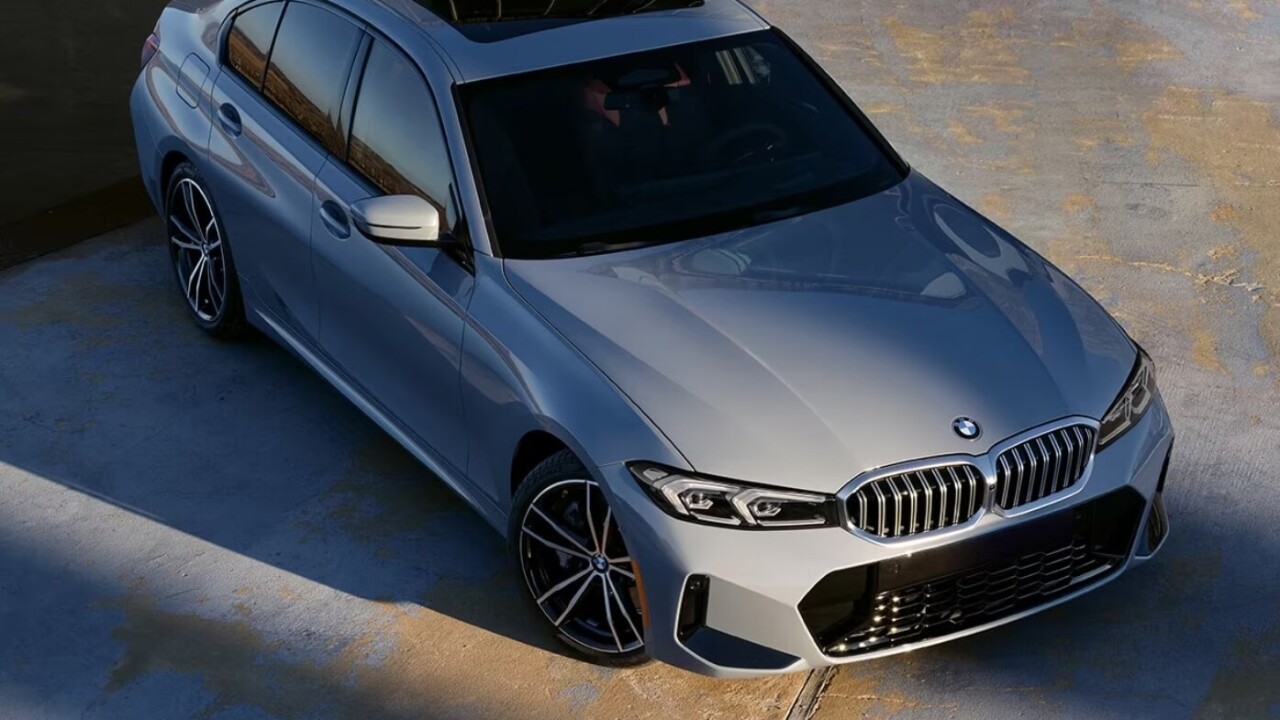

Introduction — why I approached this car the way I did
I approached the 2024 BMW 3 Series the way I approach every car that carries a premium badge but aims at mass-market appeal: with a wallet in one hand and a torque wrench in the other. My brief was to focus on the technical details that matter to someone who wants the engineering excellence BMW sells, but also needs to know how that excellence affects ownership costs, maintenance headaches, and long‑term value.
The 3 Series remains BMW's core product: compact executive sedan, engineering showcase, and benchmark for sporty dynamics in the mainstream premium class. Below I break down the components you will live with — powertrains, chassis, electronics, and packaging — and explain what they mean in practical, cost-relevant terms.
Model architecture and what underpins the car
The 2024 BMW 3 Series (internal model G20, introduced 2019 and evolved through mid-cycle updates) continues to use BMW's modular CLAR (Cluster Architecture) platform. That architecture is designed to accept a variety of powertrains, including 4-cylinder and 6-cylinder gasoline engines, diesel in some markets, and plug-in hybrid systems. The platform's modularity is an important factor for the buyer: it allows BMW to offer many configurations without a bespoke chassis for each one, which is good for parts availability and typically reduces per-unit manufacturing cost.
Dimensionally, the 3 Series remains compact for its class. The wheelbase measures 2,851 mm, and the exterior footprint for the sedan variant is in the order of ~4.7 m length. Boot capacity is ~480 litres (a practical figure for daily use). These numbers translate into a car that is generous enough for four adults on mid-length trips while remaining small enough to be comfortable in dense urban environments.
Powertrains — what you can choose and what it means
BMW's 3 Series powertrain strategy has been conservative in its engineering choices: the company uses well-developed modular engines and a proven automatic transmission rather than radical new hardware. For 2024 the most relevant powertrains for buyers looking at the mainstream performance/value sweet spot are:
- 330i — driven by BMW's 2.0‑litre B48 modular turbocharged inline‑4 engine. In markets such as the United States this engine produces 255 hp and 295 lb‑ft of torque (≈400 Nm). It is the pragmatic pick: strong midrange torque, relatively affordable maintenance compared with six‑cylinder engines, and good parts availability because the B48 is used across multiple BMW models.
- M340i — powered by BMW's 3.0‑litre B58 inline‑6 turbocharged engine in its higher output tune. In typical M340i specification this engine produces 382 hp and 369 lb‑ft of torque (≈500 Nm). The inline‑6 is smoother by design and offers stronger performance, but with the trade-offs of higher fuel consumption and potentially higher repair costs over the long term.
- 330e (plug‑in hybrid) — BMW also offers a plug‑in hybrid variant in many markets. The hybrid combines a combustion engine with an electric motor and battery pack to reduce running costs in short‑trip urban use. I won't publish combined output figures here because they differ by market and by specific tuning packages; if you need those exact figures for your country, consult the local spec sheet or dealer information.
Transmission across the range is handled by an 8‑speed automatic gearbox (BMW's Steptronic). This gearbox is the workhorse across the fleet and is a ZF‑based design in terms of architecture and performance. It's known for smooth shifts and good efficiency; being widely used, it benefits from mature service practices and parts availability.
Driveline layout is rear‑wheel drive as standard with xDrive all‑wheel drive offered on many variants. Rear‑wheel drive preserves the 3 Series' driving balance, while xDrive adds traction and consistency, particularly in wet or winter conditions — a practical trade-off many buyers will appreciate.
Engine technical highlights — what these engines bring to the table
A few engineering choices in BMW's modern engines are worth calling out from a technician's and owner's perspective:
- Modular design — both the B48 and B58 belong to BMW's modular B‑engine family. This improves reliability of replacement parts and reduces the variety of parts you need to keep on hand if you do routine maintenance yourself or manage a fleet.
- TwinScroll turbocharging and direct injection — both engines use modern turbocharging strategies and direct fuel injection to balance responsiveness and efficiency. Expect a crisp throttle response in daily driving and a torque delivery profile tuned for midrange drivability rather than just headline peak power numbers.
- Smoothness vs cost — the inline‑6 (B58) is inherently smoother than the four‑cylinder and revs more cleanly, which is why the M340i feels more refined. However, servicing an inline‑6 (valve cover gaskets, turbocharger components, etc.) tends to be more expensive in parts and labour time than a 4‑cylinder.
Transmission and driveline — practical reliability notes
The 8‑speed Steptronic automatic used in the 3 Series is a modern, torquey gearbox that has become a de facto standard in the premium segment. Its merits from an ownership perspective:
- Proven reliability through wide use across the industry.
- Good software integration with the engine management for fuel optimisation and smooth tip‑in behaviour.
- Service intervals are straightforward — fluid replacement and filter changes are routine, but using BMW‑specified fluids and procedures is recommended to avoid premature wear.
If you are a budget buyer who maintains vehicles for longer than factory warranty, plan for regular gearbox service at recommended intervals and factor in the cost of dealer‑grade fluids. Cheap, off‑the‑shelf ATF substitutes can be a false economy here.
Chassis, suspension and steering — how it drives and why
The 3 Series is engineered with dynamics as a priority. Key, verifiable mechanical components are:
- Front suspension: MacPherson strut layout. Simple, compact and widely used: it gives predictable geometry during typical driving and is cost‑efficient to service or replace compared to more elaborate multilateral setups.
- Rear suspension: Five‑link arrangement. This provides better control of wheel camber and toe under load compared to simpler rear beam or torsion designs and is the reason the 3 Series balances ride comfort with lateral control.
- Steering: Electric power assistance. BMW tunes the steering for precise weighting and on‑centre feel, but note that electrically assisted systems trade some mechanical feedback for efficiency and packaging benefits. The result is accurate steering that is consistent and low in maintenance complexity compared with hydraulic systems.
- Optional equipment: Adaptive dampers and M Sport suspension packages are offered. These packages change damping rates, springs and sometimes steering calibration to sharpen body control at the expense of a firmer ride.
For a budget‑minded owner, the standard mechanical layout means suspension repairs (bushes, arms, dampers) are familiar to independent garages. The five‑link rear means more suspension arms and bushings than cheaper cars, so expect slightly higher parts counts at repair time — but also better driving dynamics and tyre wear characteristics when aligned correctly.
Brakes, tyres and stopping performance
Braking hardware for the 3 Series is sized to match the power of the variants in range. M Sport packages typically include larger, vented discs and upgraded calipers. From a maintenance perspective:
- Brake pad and rotor wear correlates directly with the vehicle's power and your driving style. Expect higher wear rates on M340i models if you exploit the performance potential often.
- Tyres are a consumable where specification matters for both handling and cost. BMW fits the 3 Series with low‑profile tyres on larger wheels for visual and handling appeal; these are more expensive to replace and more susceptible to kerb or pothole damage than higher‑profile tyres on smaller wheels.
Electronics and software — the modern car's hidden cost
The 2024 3 Series uses BMW's current infotainment and driver assistance architecture. The car commonly ships with BMW's iDrive interface — the updated iDrive 8 family in the more recent refresh — which integrates a digital instrument cluster and a central touchscreen. These screens and their software are convenient and modern, but they also increase the replacement cost profile when damaged. From a practical perspective:
- Software updates can improve functionality but vary by region; keep your service partner informed to ensure safety tech and ECU calibrations remain current.
- Replacement infotainment modules or displays are expensive compared with mechanical components; factor this into insurance or extended warranty decisions.
Practical ownership notes — maintenance, reliability and economics
As someone who writes for readers who buy on value, the bottom line matters: the 3 Series is an engineered product with above‑average maintenance costs compared with mainstream compact cars. Points to consider:
- Routine maintenance: Oil services, air filters, cabin filters and brake services are straightforward. Use OEM or equivalent quality consumables — these engines respond poorly to poor‑quality fuels and oils over the long term.
- Parts availability: Because the B48 and B58 engines are widespread across BMW's line, parts supply is strong, and independent specialists are comfortable servicing them — which can reduce labour cost compared to dealer‑only maintenance.
- Long‑term reliability considerations: Turbochargers, high‑pressure fuel systems and direct‑injection components are areas to watch. Regular oil changes, coolant checks and fuel filter service are the best preventive measures.
- Depreciation and value: Premium compacts like the 3 Series depreciate faster than mainstream hatchbacks, but they retain stronger residuals than some luxury rivals because of brand desirability. Choosing the well‑equipped mid‑range trim (for example, the 330i) offers a rational balance between performance and ownership costs.
Driving impressions — measured subjectivity
From a driver's perspective the defining characteristics are balance and predictability. The RWD bias in base setups gives a neutral handling feel; the M340i's inline‑6 adds a smooth, planted character and an intoxicating midrange shove. The electric steering is precise and quick in response, though it never entirely replaces the tactile sensation of purely hydraulic systems of old.
For a buyer focused on long‑term running costs, the 330i is the pragmatic choice: lively enough for spirited drives, frugal enough for day‑to‑day commuting, and cheaper to service than the six‑cylinder alternative. For those willing to pay a premium for performance, the M340i is a superbly engineered hot sedan — just be ready for higher fuel and servicing bills.
Interior, comfort and practicality
The cabin presents a high‑quality, driver‑centric layout. BMW's iDrive interface (the current generation in the refreshed 3 Series) combines a digital instrument cluster with a central touchscreen. Practical measures:
- Boot space of ~480 litres is competitive and useful for most buyers.
- Rear seat accommodation is adequate for adults on medium journeys; taller passengers may find headroom and legroom tighter than in larger executive cars.
- Trim and options (leather, heated seats, sound systems) add ownership costs but also affect resale value in a positive way — buyers in the premium used market often expect these items.
Who should buy which variant?
My succinct recommendations from a value and technical standpoint:
- Budget‑conscious, daily driver: The 330i (2.0L B48) — it balances performance, fuel economy and maintenance costs. It is the best technical compromise for long ownership horizons.
- Performance buyer willing to trade cost for thrills: M340i — outstanding engineering, effortless performance, but expect higher running costs.
- Urban commuter with short daily trips: 330e plug‑in hybrid — the hybrid system offers reduced fuel bills in stop‑start city use; check local charging incentives and real‑world electric‑range figures for your market.
Final technical verdict
The 2024 BMW 3 Series is a technically mature product. The strengths are a tried‑and‑tested modular platform, modern yet well‑understood engines (B48 and B58 families), and a chassis that blends comfort with dynamic ability. For the budget‑minded buyer who values engineering clarity and predictable maintenance paths, the 330i is the sensible choice: it delivers the essence of what makes the 3 Series desirable without introducing the higher running costs associated with six‑cylinder or heavily optioned cars.
If you want a performance halo, the M340i is a compelling engineering package, but you should factor in the higher fuel, tyre and service costs. The car rewards spirited driving and is one of the better‑engineered compact executive sport sedans available — just not the cheapest to own over a long life.
Ultimately, the 3 Series remains a benchmark precisely because BMW's engineering choices are conservative, focused and repeatable. That predictability is what makes the 3 Series attractive to those of us who count cost per mile and hours in the garage as much as we count 0–60 times.